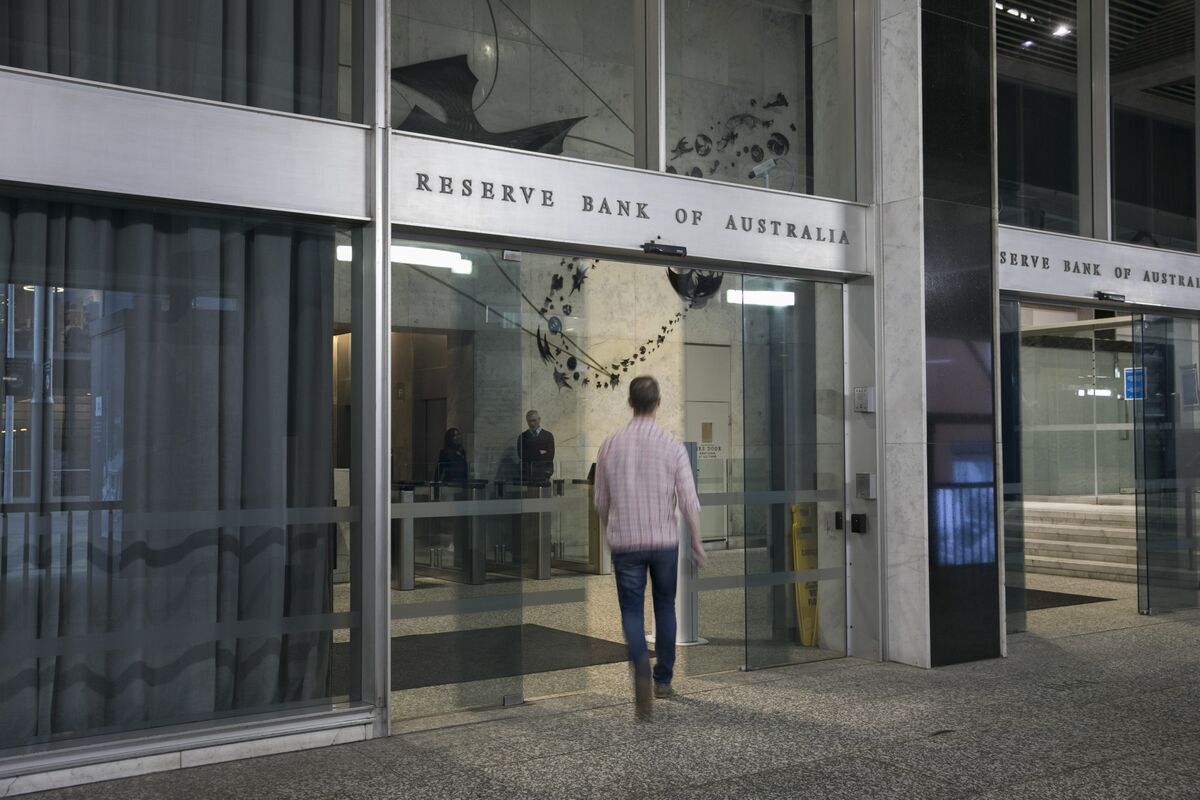
Australia's 10-year sovereign yield climbed to 4.61%, the highest since January, as a selloff in bonds — partly tracking U.S. Treasuries — and forecasts for stronger Q3 GDP have increased bets the RBA will adopt a hawkish stance next year. Data due Wednesday is expected to show the fastest economic growth since 2023, reinforcing expectations of rate hikes and suggesting the Australian bond selloff may extend, with implications for fixed-income positioning and cross-market flows.
Market structure: The immediate winner from a sustained Australian-govt bond selloff will be short-duration and financial stocks (banks benefit from steeper curves), while long-duration equities and REITs lose pricing power as 10y yields rose to 4.61% (highest since Jan). If RBA pricing shifts from cuts to hikes for 2025, duration-sensitive assets could underperform by another 50–150bp in yields—amplifying funding costs for leveraged corporates and property owners.
Risk assessment: Key tail risks include an upside inflation surprise (consumer or wages) that pushes 10y >5.0% quickly, or a global risk-off that reverses flows and forces yields down <4.0% within weeks; both would blow out directional positions. Near-term (days) volatility centers on tomorrow’s GDP print; medium-term (3–6 months) on RBA guidance and CPI; long-term (6–18 months) on household credit stress and fiscal issuance. Hidden dependencies: foreign investor demand for ACGBs and commodity-driven AUD moves can materially amplify domestic rates via FX-linked capital flows.
Trade implications: Expect cross-asset AUD strength, bank NIM tailwind, weaker REITs/miners’ real-return assets; options vol on ACGBs/AUD will spike around data. Tactical plays should size for a 40–80bp yield move and use futures/OTC to control DV01. Monitor OIS curve shifts, offshore yields (US 10y), and commodity prices as catalysts to accelerate the move.
Contrarian angles: Consensus assumes a gradual RBA hike path — that underprices the probability of a 25–50bp surprise if Q3 GDP prints above consensus and wages remain sticky; conversely a growth shock from tighter financial conditions could force yields lower rapidly. Mispricing candidates: AUD funding-rich banks may be over-sold relative to earnings resilience; similarly, some REITs price in >150bp of refinancing pain which may be excessive if yields stall under 4.8%.
AI-powered research, real-time alerts, and portfolio analytics for institutional investors.
Request DemoOverall Sentiment
moderately negative
Sentiment Score
-0.40
