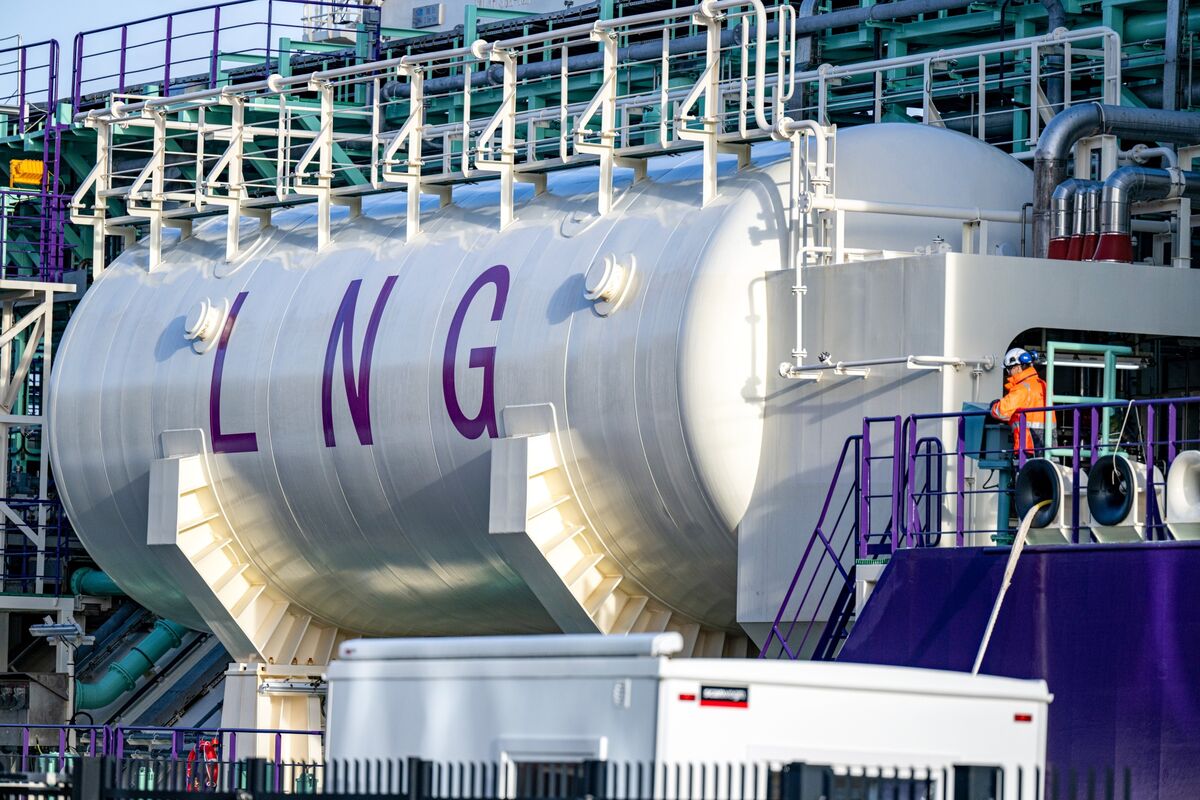
Several US-sanctioned Russian LNG tankers, including the Iris and Voskhod, are now en route to North Asia from the Arctic LNG 2 plant via the Northern Sea Route after weeks of idling, commencing movement on August 15. This development directly tests Washington's resolve to enforce sanctions on Russian energy exports, particularly as high-level talks concerning the Ukraine war continue, highlighting a potential challenge to the efficacy of Western restrictions and shifts in global energy trade routes.
The movement of several liquefied natural gas (LNG) tankers, including the Iris and Voskhod, from Russia's US-sanctioned Arctic LNG 2 facility represents a significant development in the global energy market. After being idled for weeks, these vessels commenced their journey on August 15 toward North Asia via the Northern Sea Route, directly challenging the enforcement and efficacy of Western sanctions aimed at curtailing Russia's energy revenues. This event unfolds amid high-level diplomatic talks regarding the war in Ukraine, elevating its geopolitical importance. The successful delivery of these cargoes to Asian buyers would signal a material leakage in the sanctions regime and could establish new, resilient trade flows for Russian LNG, potentially altering global supply dynamics. The situation highlights the practical difficulties in fully isolating a major energy producer and the strategic pivot of Russian exports towards Asia.
AI-powered research, real-time alerts, and portfolio analytics for institutional investors.
Request DemoOverall Sentiment
neutral
Sentiment Score
0.00
