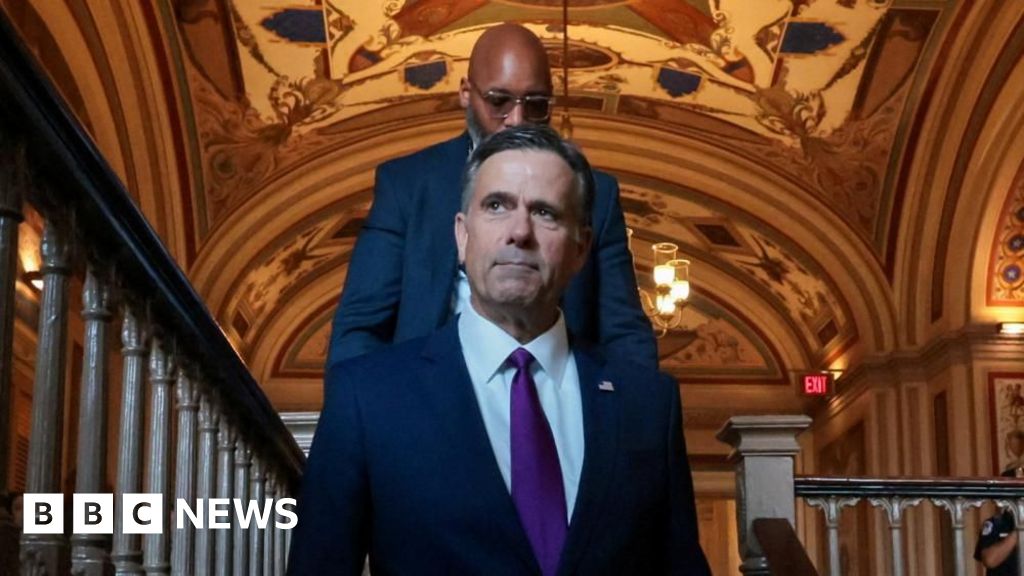
CIA Director John Ratcliffe met Venezuela's interim president Delcy Rodríguez in Caracas to build channels of communication after US forces seized Nicolás Maduro; discussions included economic collaboration and signals that Venezuela will no longer be a safe haven for US adversaries. Rodríguez proposed hydrocarbon law reforms to allow foreign partners (removing PDVSA majority-only requirements), creation of two sovereign funds for social and infrastructure spending, and invited investment as the Trump administration pushes US oil firms to deploy as much as $100bn while asserting control over sanctioned oil sales. The developments highlight a potential opening of the world’s largest proven oil reserves to U.S. investors but are tempered by acute political risk—executives have called the country currently “uninvestable,” and legal/sanctions uncertainty and recent political upheaval pose material execution risks for energy investors.
Market structure: Immediate winners are US majors with pre-existing Venezuelan footprints (Chevron/CVX) and global E&P services if sanctions lift; losers are PDVSA bondholders, local supply chains and non-US partners excluded by US export control. If reforms allow foreign majority-style economics, production could incrementally rise by ~0.5–1.5 mbpd over 2–5 years, shifting some OPEC+ pricing power but likely depressing Brent by $3–10/bbl at full normalization depending on reinvestment speed. Short-term pricing power remains muted until capital, security and export-control frameworks are settled.
Risk assessment: Tail risks include a political reversal (Maduro resurgence or US policy change) or sabotage that could wipe out reopened output (low probability, high impact), and litigation from creditors over seized assets. Time horizons: market reaction within days; licensing and capital flows in 30–180 days; material production rebuild 12–48 months. Hidden dependencies include on-the-ground security, Venezuelan legal reform credibility, and US administrative control of export receipts which can bottleneck cash flows.
Trade implications: Favor option-tail exposure to CVX (as optionality) and selective service names for 6–24 month recovery, hedge macro with short-dated oil puts to protect against quick overhang. Avoid or short Venezuelan sovereign/PDVSA paper; rotate 1–3% from EM sovereign credit into US energy E&P/services. Key catalysts: OFAC licences, hydrocarbon law passage (30–90 days), and concrete investment commitments ($10–100bn milestones) that should materially re-rate winners.
Contrarian angles: Consensus underestimates operational friction—‘investable’ rhetoric can take years to become barrels, so immediate equity rallies are likely overdone. Historical parallels (Iraq/Libya reconstruction) show multi-year capex, cost inflation and governance leakages; US control of sales could cap market benefit while concentrating political/legal risk. Avoid paying full multiple for Venezuelan-option value; treat exposure as binary optionality with defined loss thresholds.
AI-powered research, real-time alerts, and portfolio analytics for institutional investors.
Request DemoOverall Sentiment
mixed
Sentiment Score
0.05
Ticker Sentiment
