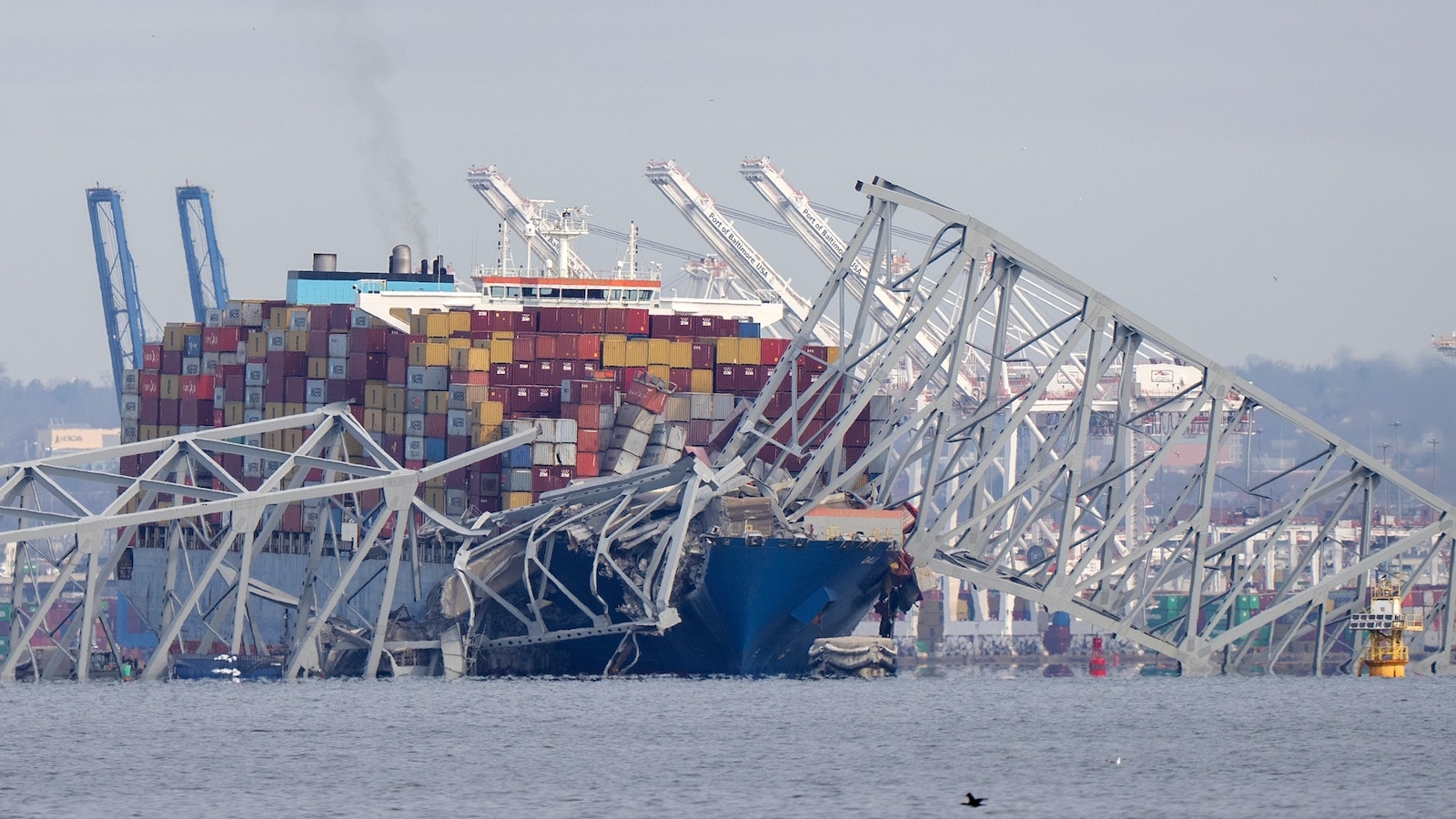
The federal government indicted two foreign companies and a shoreside superintendent in connection with the 2024 Baltimore Francis Scott Key Bridge collapse, which killed six construction workers. The case adds significant legal and liability exposure tied to maritime transport and critical infrastructure failure. The news is primarily legal and incident-driven, with limited direct market-wide impact.
This is a liability-shift event, not just a headline. The real market impact is likely to show up first in insurance pricing, contractor vetting, and litigation reserves across global marine logistics rather than in the named parties alone. The second-order winner is the broad ecosystem of owners, operators, and yards that can demonstrate tighter safety controls; the losers are smaller subcontractors and foreign-flag operators with weak disclosure, since shippers will pay a premium for lower tail risk and easier indemnification.
The timing matters: criminal indictments can create an immediate headline discount, but the bigger repricing tends to come over months as civil discovery, damages allocation, and regulatory standards tighten. Expect elevated scrutiny on port operations, pilotage, bridge-adjacent navigation, and shore-side oversight, which raises compliance costs and may lengthen turnaround times in constrained East Coast logistics nodes. That is mildly bullish for resilient rail/intermodal alternatives and for infrastructure names tied to inspection, monitoring, and remediation spend.
The market may be underpricing how expensive this becomes for insurers and defense-adjacent contractors if fault expands beyond the obvious parties. If the case broadens to equipment, maintenance, or certification failures, the knock-on effect is higher premiums and tougher terms for marine liability, cargo, and construction all at once. The contrarian angle is that the near-term overreaction could create entry points in high-quality transport and infrastructure franchises if investors sell first and model the claims later; the ultimate economic impact is likely spread over years, not days.
AI-powered research, real-time alerts, and portfolio analytics for institutional investors.
Request DemoOverall Sentiment
moderately negative
Sentiment Score
-0.45
