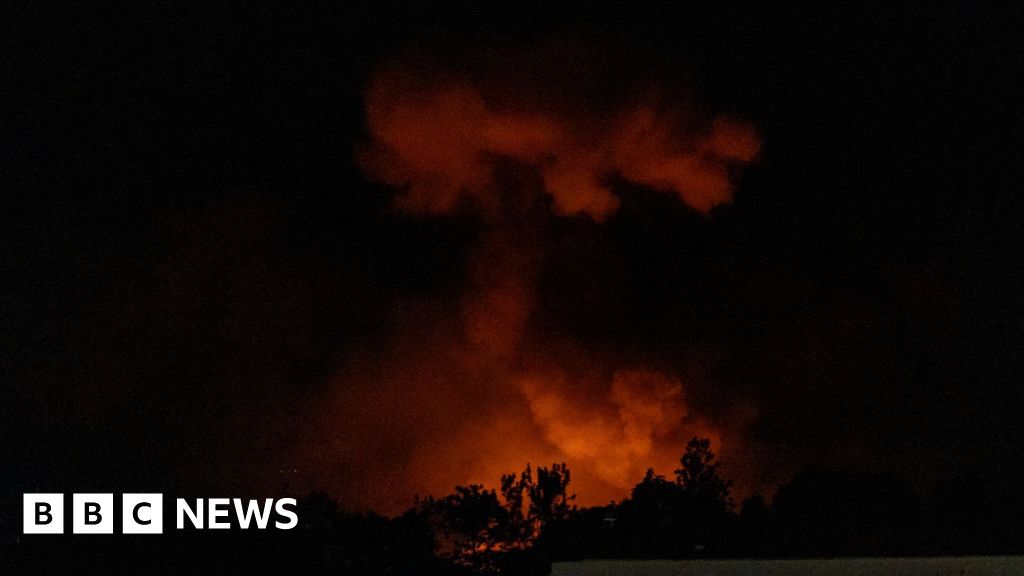
At least four people reported killed (AFP cites 'dozens') after powerful explosions at an ammunition depot in Musaga, Bujumbura; authorities say an electrical fault caused blasts that sent shrapnel more than 5 km and destroyed several houses. Inmates at nearby Mpimba Central Prison were injured and the blasts reportedly lasted from ~18:15 to midnight in a city of over 1 million, with casualty figures still being assessed. Impact is primarily humanitarian and local; anticipate negligible direct market effects but monitor for any broader security or governmental disruptions in Burundi.
This incident ratchets up idiosyncratic political-risk premia for one of the most fragile sovereigns in East Africa and creates a short-duration risk-off impulse across adjacent frontier exposures. In prior similar localized shocks in the region, fragile-state sovereign spreads widened 50–200bps within 48–72 hours and equity/FX flows reversed for 1–6 weeks; expect the largest moves in the smallest, least-liquid instruments where positioning is shallow.
A less-obvious downstream is a multi-country regulatory and capital reallocation response: regional governments typically initiate safety audits and accelerate muni/ammo decommissioning or secure storage programs after such incidents, creating a steady, multi-year procurement opportunity for storage infrastructure, surveillance, and training providers. While individual contracts are small, aggregated demand across several African states could create a $100–300m annual market accessible to global defense OEMs and specialized engineering firms over a 6–24 month horizon.
Humanitarian displacement risk creates near-term balance-of-payments stress for neighbouring states, pressuring local FX and short-term sovereign funding; these dynamics amplify EM beta moves and create tactical windows to short illiquid frontier assets while buying liquidity-rich hedges. The event is idiosyncratic and could be fully priced-in within weeks if authorities visibly contain fallout, so time-box positions and trade liquidity carefully.
Key catalysts to watch: sovereign CDS moves (>+150–200bps), official cross-border aid/military deployments, and regional political statements; any of these will re-price risk quickly and either validate or reverse the short-frontier trade.
AI-powered research, real-time alerts, and portfolio analytics for institutional investors.
Request DemoOverall Sentiment
strongly negative
Sentiment Score
-0.80
