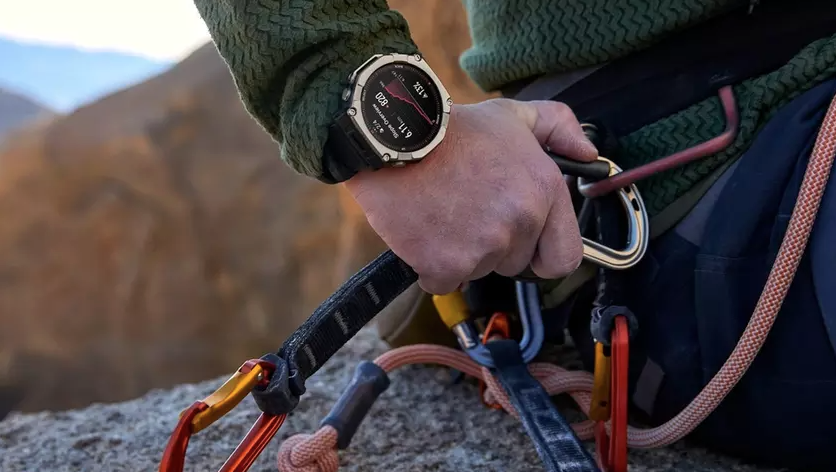
Amazfit has launched the T‑Rex Ultra 2 at $549.99, positioning the device as an expedition-focused outdoor smartwatch with features that include pre-loaded full‑color maps with multi‑GNSS routing, offline route planning up to 100km, 64GB storage, a built‑in speaker/microphone for calls, a Garmin‑style flashlight and up to 30 days of battery life. By delivering premium navigation and safety features at a price point below many full‑price Garmin, Samsung and Apple Ultra models, the T‑Rex Ultra 2 could intensify competition and pricing pressure in the high‑end wearable segment.
Market structure: A lower-priced, feature-rich Amazfit T‑Rex Ultra 2 compresses pricing at the premium adventure-watch tier, threatening mid/high-end players’ ASPs (possible 10–25% pricing pressure in sub-$700 segment). Direct winners are cost-efficient Chinese OEMs/brands (Amazfit/Zepp family) and map/navigation data suppliers; losers are standalone premium watch vendors who depend on hardware ASPs and margin (GRMN most exposed). Cross-asset: weaker margin outlook for hardware OEMs could modestly widen IG credit spreads in small-cap device names and increase idiosyncratic option/volatility in GRMN/AAPL over the next 3–6 months.
Risk assessment: Tail risks include a product recall, mapping liability or regulatory limits on navigation features (privacy/GPS restrictions) that would materially cut sales—low probability but >20% share-impact if realized. Time horizons: immediate review-driven sentiment moves (days–weeks), sales/holiday-cycle impact (months), and ecosystem shifts (quarters–2 years) as consumers shift brands. Hidden dependencies: success hinges on distribution in US/EU retail channels, map licensing costs, and post-sale services/subscriptions that drive lifetime value.
Trade implications: Short-term (2–12 weeks) alpha from repriced premium-watch names; medium-term (3–9 months) re-rating if Amazfit gains retail distribution. Use targeted, sized derivative plays to express view while limiting downside; rotate 1–3% portfolio weight from small-cap OEMs into software/ECM suppliers and resilient ecosystems. Catalysts to watch: US/EU retail listings, initial sales data within 6–12 weeks, and GRMN quarterly guidance (next reported quarter) for upward or downward revisions.
Contrarian angle: Consensus may overstate threat to AAPL—Apple’s ecosystem and services make it harder to displace its Ultra buyers; historical parallel: Fitbit compressed mid-market but Apple extracted premium. Conversely, market may underprice Garmin’s defense (military/aviation niches, subscriptions); if Garmin leverages firmware/services, downside could be <10% not catastrophic. Unintended consequence: price disruption could accelerate subscriptions (maps, safety features), increasing recurring revenue for incumbents rather than pure hardware share wins.
AI-powered research, real-time alerts, and portfolio analytics for institutional investors.
Request DemoOverall Sentiment
mildly positive
Sentiment Score
0.30
Ticker Sentiment
