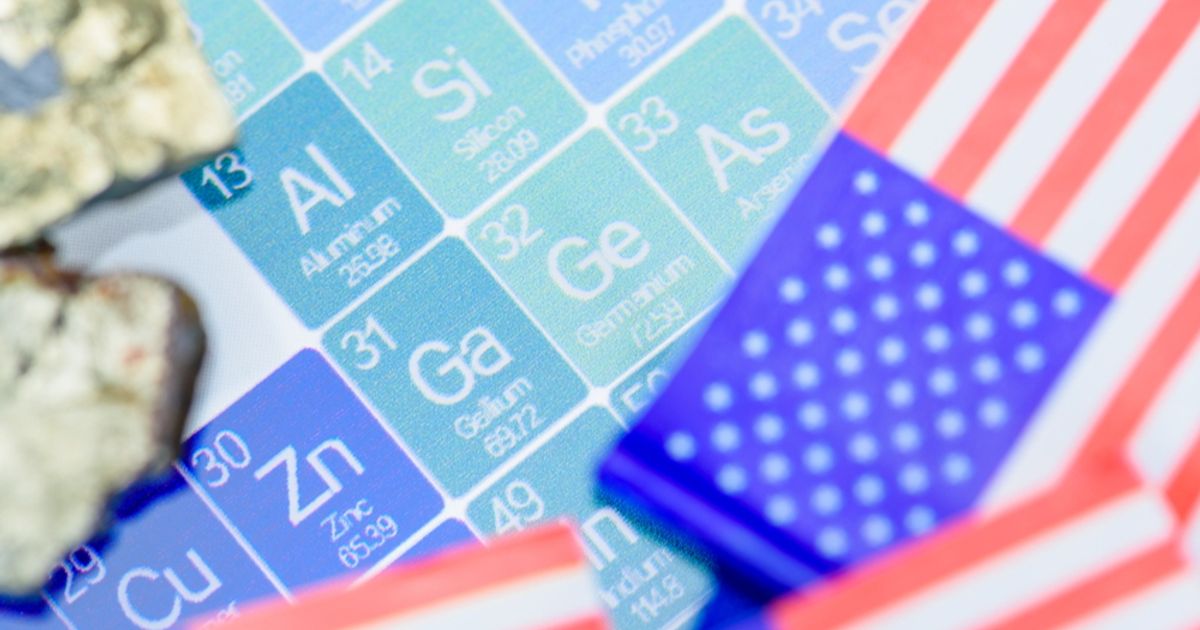
M2i Global (OTC: MTWO) endorsed the U.S. State Department’s new Pax Silica initiative to secure and modernize the global silicon supply chain, an effort that pools the U.S. with key allies including Japan, South Korea, the EU, Taiwan and Australia. CEO Major General (Ret) Alberto Rosende said the initiative aligns with M2i’s mission and cited the company’s Australian partnerships (NT Minerals, Nimy Resources) as supporting secure sourcing, processing and technology agreements for critical minerals used in semiconductors, AI infrastructure and renewable-energy technologies. The move signals policy support for supply-chain resilience and critical-minerals independence, which could benefit firms involved in extraction, processing and logistics across allied markets.
Market Structure: Pax Silica is a demand-side structural positive for semiconductor equipment, wafer/materials suppliers, and logistics/defense contractors that secure allied off‑shore capacity; expect 6–18% incremental revenue tailwinds for tier‑1 equipment suppliers (ASML, LRCX, AMAT) over 12–36 months as capacity investments accelerate. Commodity polysilicon prices could rise 10–30% in the near term if allied capacity additions lag demand from AI/solar builds, benefiting integrated materials producers but pressuring low‑margin downstream solar OEMs.
Risk Assessment: Key tail risks include China countermeasures (export restrictions, price dumping), technology substitution (Si alternatives for niche chips/solar), and new capacity leading to 20–40% oversupply within 24–36 months; fiscal/program renegotiation is a governance risk over 6–12 months. Hidden dependencies: energy prices and electrolytic chlorine supply materially affect polysilicon economics; a 20% rise in energy costs could wipe out expected supplier margins.
Trade Implications: Tactical long bias toward semiconductor equipment and strategic materials exposure, favoring SMH/SOXX, ASML, AMAT, LRCX; consider small, high‑risk exposure to MTWO (OTC:MTWO) as a thematic play (0.25–0.5% NAV). Short selective China‑exposed solar OEMs (e.g., JKS) size 0.5–1% as political decoupling could restrict market access; use 9–12 month option structures to express views.
Contrarian Angles: Consensus underprices the timing mismatch between capital commitments and operational polysilicon output — initial policy support can spike prices for 12–24 months before capex normalizes margins. Conversely, the market may overpay for headline “secure supply” names; expect mean reversion 12–36 months if subsidies fade or if allied manufacturing is inefficient, creating mispricing opportunities in small-cap juniors and OTC plays.
AI-powered research, real-time alerts, and portfolio analytics for institutional investors.
Request DemoOverall Sentiment
mildly positive
Sentiment Score
0.35
