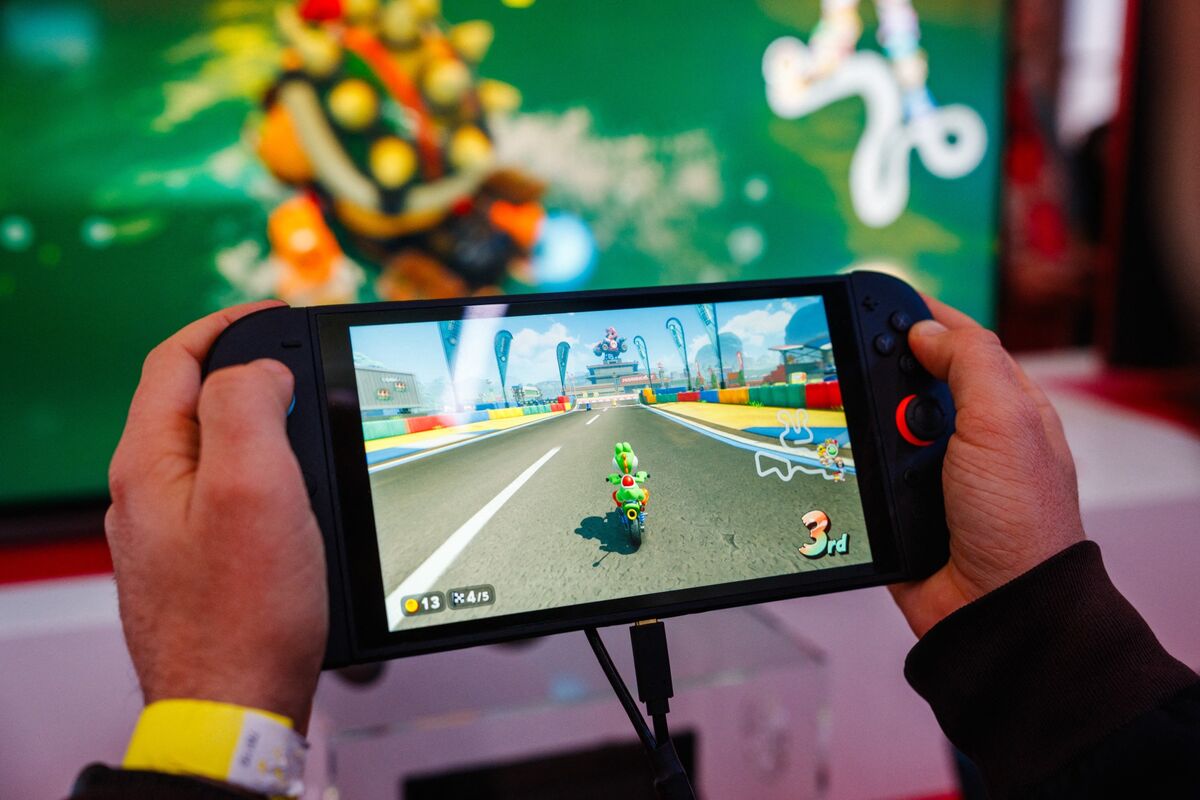
Nintendo has tapped Samsung Electronics to manufacture the main chips for its upcoming Switch 2 console, potentially enabling the company to increase production to 20 million units by March 2026. This agreement represents a significant win for Samsung as it competes with TSMC in the semiconductor manufacturing market, and is expected to boost utilization and business for Samsung's chip foundries.
Nintendo Co.'s strategic decision to engage Samsung Electronics Co. for the manufacturing of its main Switch 2 chips signals a proactive approach to securing production capacity for its next-generation console. This partnership aims to enable Nintendo to produce a higher-than-projected 20 million units by March 2026, a critical factor for the success of the new hardware, reflecting a moderately positive outlook for the company's upcoming product launch. For Samsung, this represents a noteworthy contract win, with a positive sentiment score of 0.7, bolstering its foundry business and enhancing its competitive standing against Taiwan Semiconductor Manufacturing Co. (TSMC) in the advanced semiconductor market; this development is anticipated to improve utilization rates at Samsung's chip foundries. Conversely, this development represents a competitive headwind for TSMC, as indicated by its slightly negative sentiment score.
AI-powered research, real-time alerts, and portfolio analytics for institutional investors.
Request DemoOverall Sentiment
moderately positive
Sentiment Score
0.60
Ticker Sentiment
