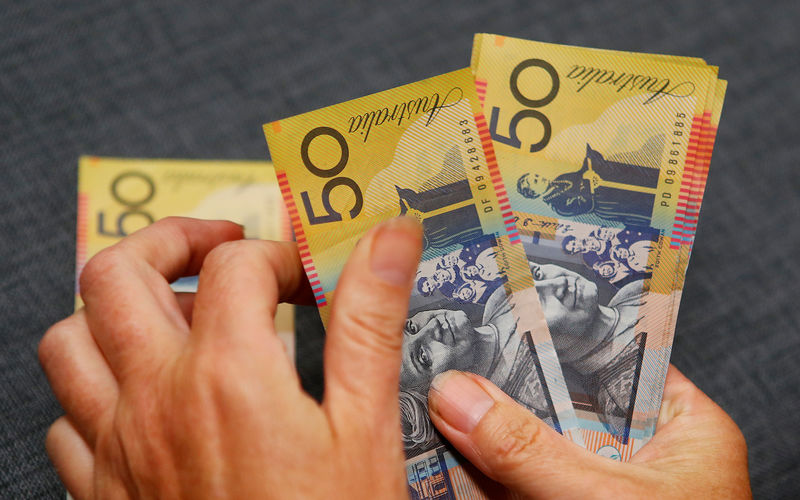
Brent crude plunged over 6%, dropping below $100/bbl after reports the U.S. delivered a 15-point peace plan to Iran amid conflicting reports of an Israeli strike on Tehran; safe-haven flows left the US Dollar Index down ~0.1%. Australian CPI eased to 3.7% YoY (from 3.8%), pressuring AUD/USD (-0.3%), while USD/INR was ~93.92. Markets are cautious and volatile—analysts recommend hedging as geopolitical uncertainty and lower oil prices shift risk and inflation dynamics regionally.
Market microstructure is currently showing a classic asymmetric pricing pattern: options skews have compressed on the downside while implied vols remain elevated on the upside. That creates cheap, time-limited long-gamma opportunities for convex plays (airlines/logistics) and inexpensive tail protection on crude — the near-term repricing of energy risk is not large enough to re-price long-term inflation expectations, so duration can rally but remains vulnerable to regime shifts.
For FX and EM balance-of-payments, a sustained reduction in energy premia acts like a one-off current-account improvement: expect a 25–75bp easing of external financing pressure for energy-importing EMs over 3–12 months, which should support sovereign curves and local-currency credit spreads, but only if risk premia from geopolitics do not spike. Corporate margins in energy-intensive sectors (airfreight, cement, fertilizer) should see 200–500bps expansion in gross margins over the next two quarters, mechanically improving cash conversion and lowering short-term refinancing needs.
Second-order losers are the capex-heavy energy exporters and midstream projects with long lead times — lower price expectations accelerate capex deferrals, concentrating production risk in fewer players and increasing long-term supply volatility. The tradeable regime is thus: near-term carry into risk assets and duration, paired with cheap asymmetric insurance against upward oil shocks; the key reversals will come from credible military escalation, OPEC+ coordination, or a coordinated SPR/strategic release by multiple states, each of which can re-steepen the oil curve inside 7–30 days.
AI-powered research, real-time alerts, and portfolio analytics for institutional investors.
Overall Sentiment
mildly negative
Sentiment Score
-0.20
Ticker Sentiment
