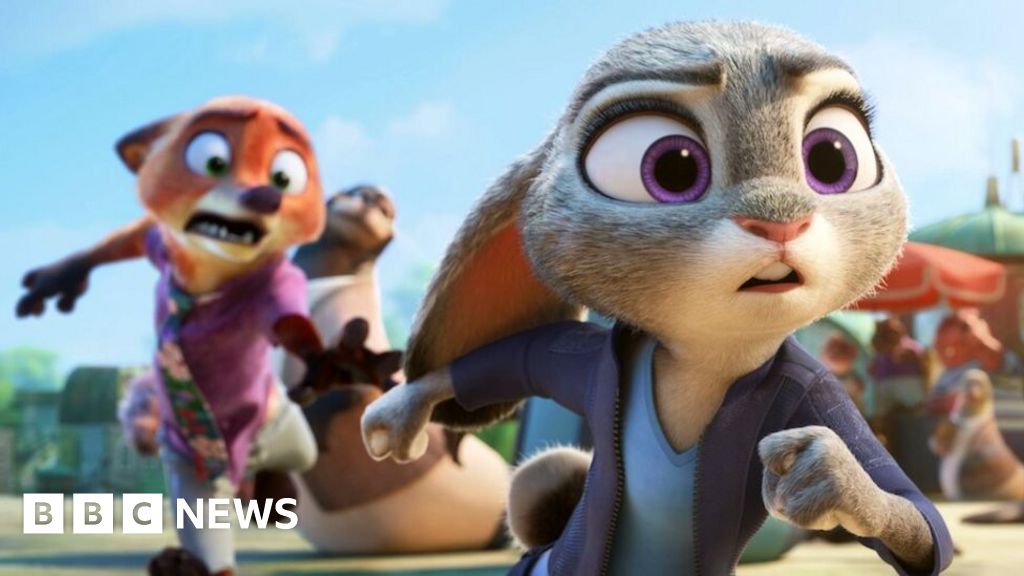
Zootropolis 2 has grossed $1.70bn globally, making it the highest-grossing Hollywood animated film ever and the ninth-highest grossing film overall, surpassing Inside Out 2 ($1.69bn). Released in November with an estimated $150m budget, the sequel recorded the biggest opening weekend for an animated film and was the fastest Hollywood animation to reach $1bn; however China’s Ne Zha 2 remains the top-grossing animated film at $2.21bn, driven primarily by domestic receipts. The milestone underscores continued box-office upside for major studio releases and strong consumer demand for franchise sequels, with potential modest positive implications for studio revenue lines and near-term investor sentiment toward Disney and other film studios.
Market structure: A $1.7bn global haul on a $150m budget re‑asserts theatrical windows and franchise tentpoles as high-margin, idiosyncratic cash machines; studios that own IP and theatrical distribution (e.g., DIS, CMCSA/Universal, WBD) gain pricing power on global licensing and F&B/merch revenue over the next 12–24 months. The China exception (Ne Zha 2 at $2.2bn) highlights that regional domestic champions and local distribution ties (CNY exposures) can eclipse Hollywood — studios lacking China access face asymmetric downside in international box office share. Strong demand signals suggest short-term pricing power for ticketing and premium formats (IMAX), putting upward pressure on exhibitor revenues and ancillary merch/streaming monetization windows over quarters not just weeks.
Risk assessment: Tail risks include Chinese regulatory shifts or a single high-profile sequel flop that reintroduces franchise fatigue, each capable of erasing >20–30% of expected incremental earnings for a title in a quarter. Immediate (days) risks: social media backlash/ratings; short-term (weeks–months): box office decay and FX swings (USD/CNY ±5% moves change China net receipts materially); long-term (quarters–years): content spend inflation and licensing renegotiations compressing margins. Hidden dependencies include theatrical-to-streaming window changes and park/consumer merchandise cross-subsidies; catalysts to monitor: next 60–90 days of studio slate announcements, China box office regulations, and DIS quarterly guidance.
Trade implications: Tactical: establish a 2–3% long position in DIS (ticker: DIS) within 2 weeks ahead of the next quarter to capture follow‑through in licensing and parks; hedge with a 3‑month 5–10% OTM call spread to cap cost. Pair trade: long DIS vs short WBD (1:1 notional) over 3–6 months given Disney’s stronger IP monetization and parks tailwinds. Sectors: overweight Leisure & Entertainment and Exhibitors (AMC, 1–2% tactical) and underweight pure-play global streamers lacking strong theatrical pipelines (NFLX) for 6–12 months.
Contrarian angles: Consensus may over-rotate into all media names; the market underestimates regional winners — consider a small long position in a Chinese studio/distributor ETF or select names if USD/CNY remains stable and regulatory risk is priced >20%. The reaction could be overdone for legacy studios with heavy streaming losses; historical parallels: post-2010 franchise spikes were followed by content oversupply and margin compression within 12–18 months. Unintended consequence: studios increasing theatrical-first strategies could hurt subscriber growth at streaming peers, creating a late-cycle inventory glut and a buying opportunity in high-quality IP owners on any 15–25% pullback.
AI-powered research, real-time alerts, and portfolio analytics for institutional investors.
Request DemoOverall Sentiment
moderately positive
Sentiment Score
0.45
