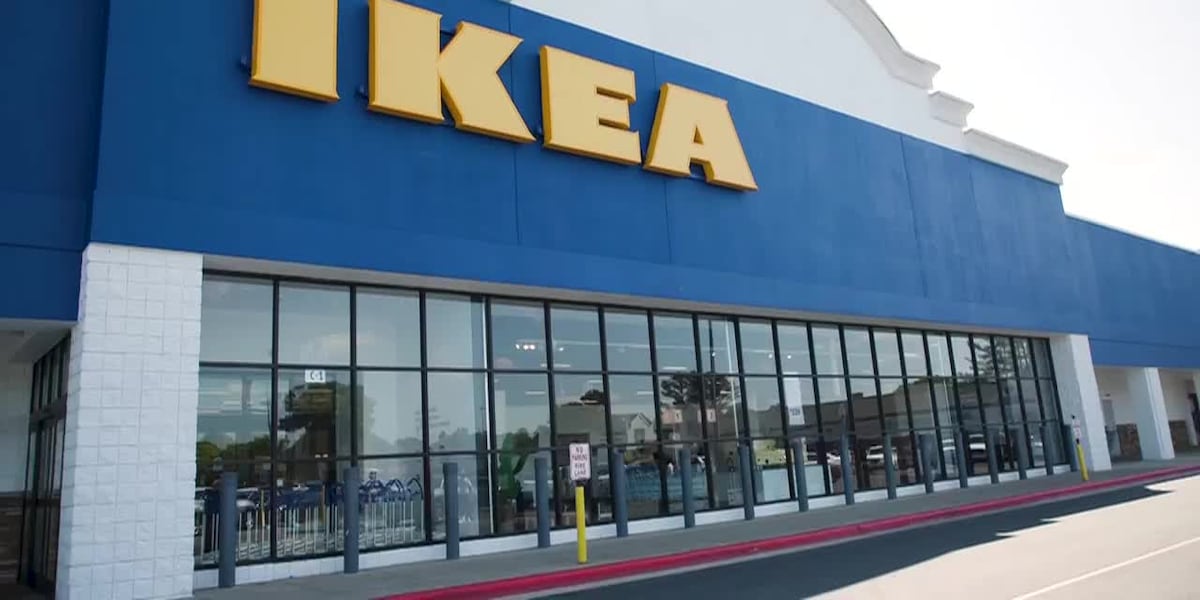
Ikea will open a 54,000-square-foot store in Madison, Wis. this fall, its second Wisconsin location, in the Prairie Towne Center at 215 Junction Road. The new store will offer more than 5,000 products and a Swedish Deli, but no exact opening date was provided. The announcement is a routine retail expansion update with limited near-term market impact.
The key market signal is not the store opening itself, but IKEA’s continued use of lightly occupied big-box real estate as a low-capex expansion channel. That keeps unit economics attractive while incrementally pressuring weaker discretionary home-furnishing operators: the winner is the value leader with traffic density, while marginal specialty furniture players face another reminder that the category’s growth can be captured through convenience and omnichannel pickup rather than full-line showrooms.
The second-order effect is on the vacancy ecosystem. Re-tenanting former Bed Bath & Beyond space with a destination retailer improves center productivity and should tighten nearby leasing comps over the next 2-4 quarters, especially for open-air retail centers that need anchors to stabilize foot traffic. That matters for mall and shopping-center landlords with similar box vacancies: one successful replacement transaction can lift expectations for lease-up velocity elsewhere, even if it does not move cash flow immediately.
The article is neutral for the broader consumer tape, but it reinforces a bifurcation in home goods demand: consumers still spend on furnishing, yet they are increasingly price-sensitive and convenience-driven. The risk to this thesis is that if housing turnover remains weak for another 6-12 months, the category could stall again, limiting the follow-through on any traffic halo from the new store. On the flip side, an eventual mortgage-rate downshift would amplify pent-up demand and make this location look like a well-timed call option on suburban housing activity.
The contrarian take is that this is more bearish for the prior occupant ecosystem than bullish for IKEA. The real read-through is that national brands can now cherry-pick distressed footprints at low cost, which compresses returns for legacy mid-market retailers with fixed-format stores and weaker balance sheets.
AI-powered research, real-time alerts, and portfolio analytics for institutional investors.
Request DemoOverall Sentiment
neutral
Sentiment Score
0.15
Ticker Sentiment
