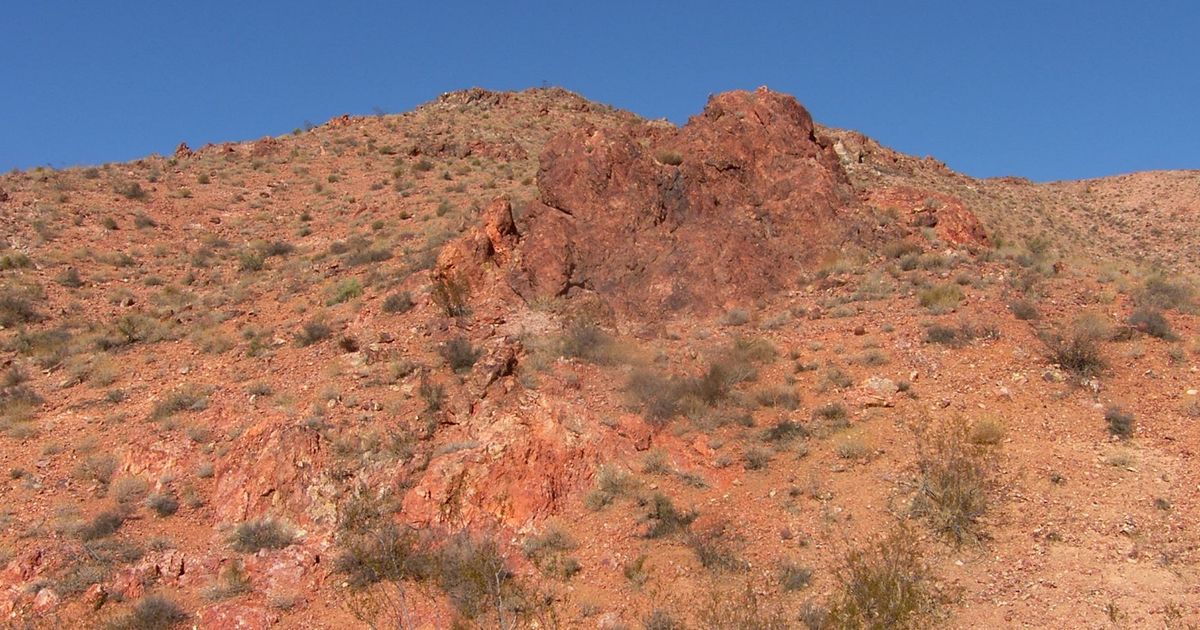
Arizona Gold & Silver (TSX-V:AZS, OTCQB:AZASF) promoted Dr. Lex Lambeck to senior vice president of exploration as Greg Hahn moves to vice chair, signaling a step-up in technical leadership for its flagship Red Hills gold-silver project. Management highlighted Lambeck’s background (including work at MAG Silver, involved in a $2.1 billion transaction), noted the three-kilometre strike with only ~1.5 km drilled to date, and said drilling continues with encouraging visuals from hole 159; the appointment is intended to accelerate exploration and could be a catalyst for re-rating if subsequent drill results corroborate scale and continuity.
Market structure: The immediate winner is AZASF (TSXV:AZS / OTCQB:AZASF) equity and service contractors (drillers, assay labs) because appointing a proven VP exploration (Lex Lambeck) materially raises the probability of discovery-led re-rating and M&A interest; nearby junior explorers could see capital re-flow away from lower‑quality plays. Pricing power in physical silver/gold is unchanged near-term—any supply effect is multi-year and conditional on resource conversion—but junior gold/silver indices (GDXJ, small-cap baskets) should see higher implied vol and bid risk for 30–120 days around drill news.
Risk assessment: Tail risks include hole failure, metallurgy or lower-than-expected true widths, permitting or water-rights issues, and an equity raise >10% that dilutes current holders; any of these would cause downside >30% in the stock. Time horizons: immediate (days) = sentiment pop/lite-volume squeeze; short-term (weeks–months) = assays, step-out drill results and financing; long-term (12–36 months) = NI 43‑101 resource and potential M&A. Hidden dependencies: availability of drill rigs, assay turnaround (can be 30–90 days), and gold/silver price moves (≥20% drop undermines economics).
Trade implications: Tactical position sizing should be small and event-driven: open a 2–3% portfolio long in AZASF within 0–14 days to capture positive drilling news, ramp to 5–6% only after corroborating assays or a resource update within 60–180 days; use a hard stop-loss of 30% and a profit take at +100–150% or on announced M&A talk. If looking for lower idiosyncratic risk, buy a 6‑month GDXJ call spread (pay ~0.5–1% of portfolio) to capture a junior‑miner rally if AZASF assays surprise; alternatively structure a pair: long AZASF / short 1–2% notional GDXJ to isolate idiosyncratic upside.
Contrarian angles: The market may be underpricing dilution and technical risk—hiring a star geologist is necessary but not sufficient: historical parallels show many juniors spike on new hires then return to baseline absent robust assays (median reversion within 3–6 months). The hire could also accelerate burn-rate and governance complexity (executive incentive misalignment) leading to earlier-than-expected financings; require concrete drill assay thresholds (e.g., continuous intercepts >50m at >1 g/t AuEq or a maiden resource >100 koz AuEq) before converting small positions into larger stakes.
AI-powered research, real-time alerts, and portfolio analytics for institutional investors.
Request DemoOverall Sentiment
mildly positive
Sentiment Score
0.30
Ticker Sentiment
