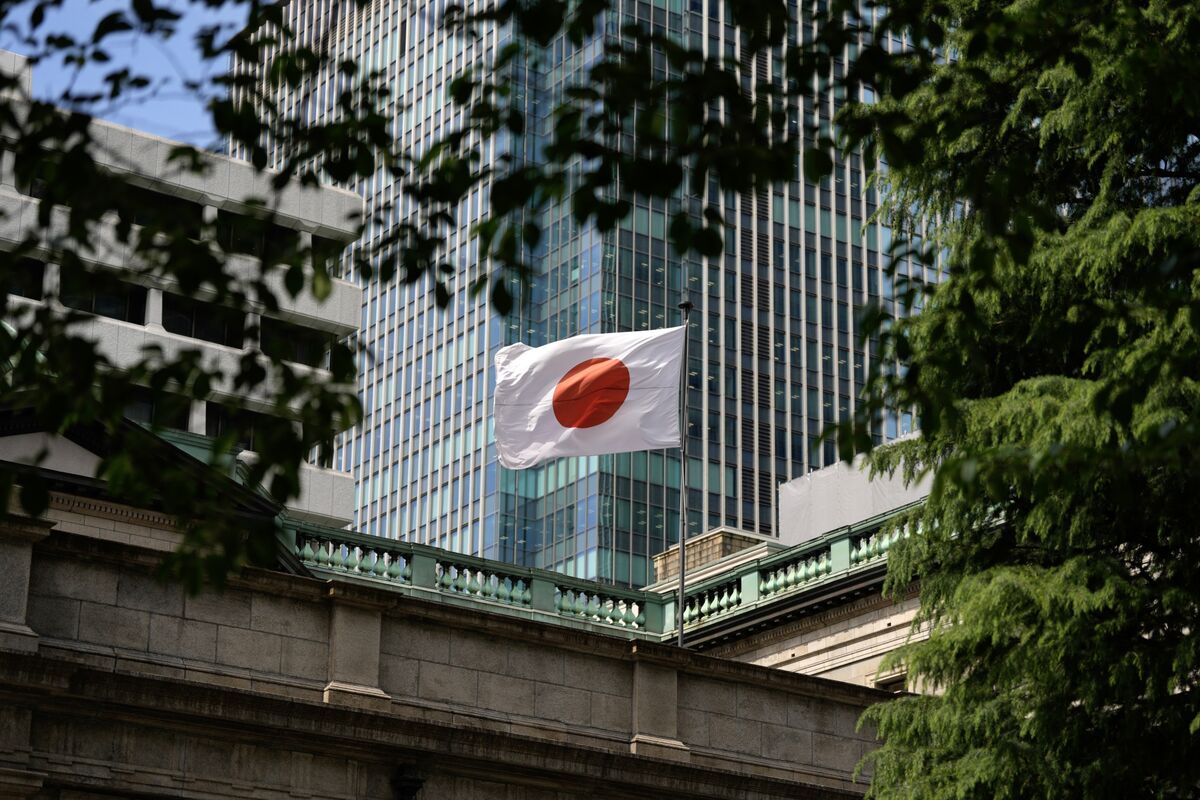
Asahi Mutual Life Insurance Co. has significantly increased its allocation to Japanese government bonds (JGBs) by ¥50 billion ($339 million) for the current fiscal year, reversing an initial plan to reduce yen bond holdings. This strategic shift, confirmed by Nobuaki Uchimura, head of asset allocation, is driven by the rising attractiveness of domestic interest rates, leading the insurer to divert investment from foreign bonds.
Asahi Mutual Life Insurance Co. has executed a significant strategic pivot in its fixed-income allocation for the 2025 fiscal year, increasing its holdings of Japanese domestic bonds by ¥50 billion ($339 million). This move is a direct reversal of its original plan to decrease yen bond holdings by ¥45 billion, representing a total strategic swing of ¥95 billion. The explicit driver for this reallocation, as stated by the firm's head of asset allocation, is the rising attractiveness of domestic interest rates. This decision to divert funds from foreign bonds to domestic notes serves as a tangible signal that a major institutional investor now views Japanese yields as sufficiently compelling. While this is a single data point from one insurer, it may act as a leading indicator for a broader trend of capital repatriation by Japanese institutions, which could provide structural support for the Japanese Government Bond (JGB) market and have follow-on effects for global bond flows.
AI-powered research, real-time alerts, and portfolio analytics for institutional investors.
Request DemoOverall Sentiment
moderately positive
Sentiment Score
0.45
