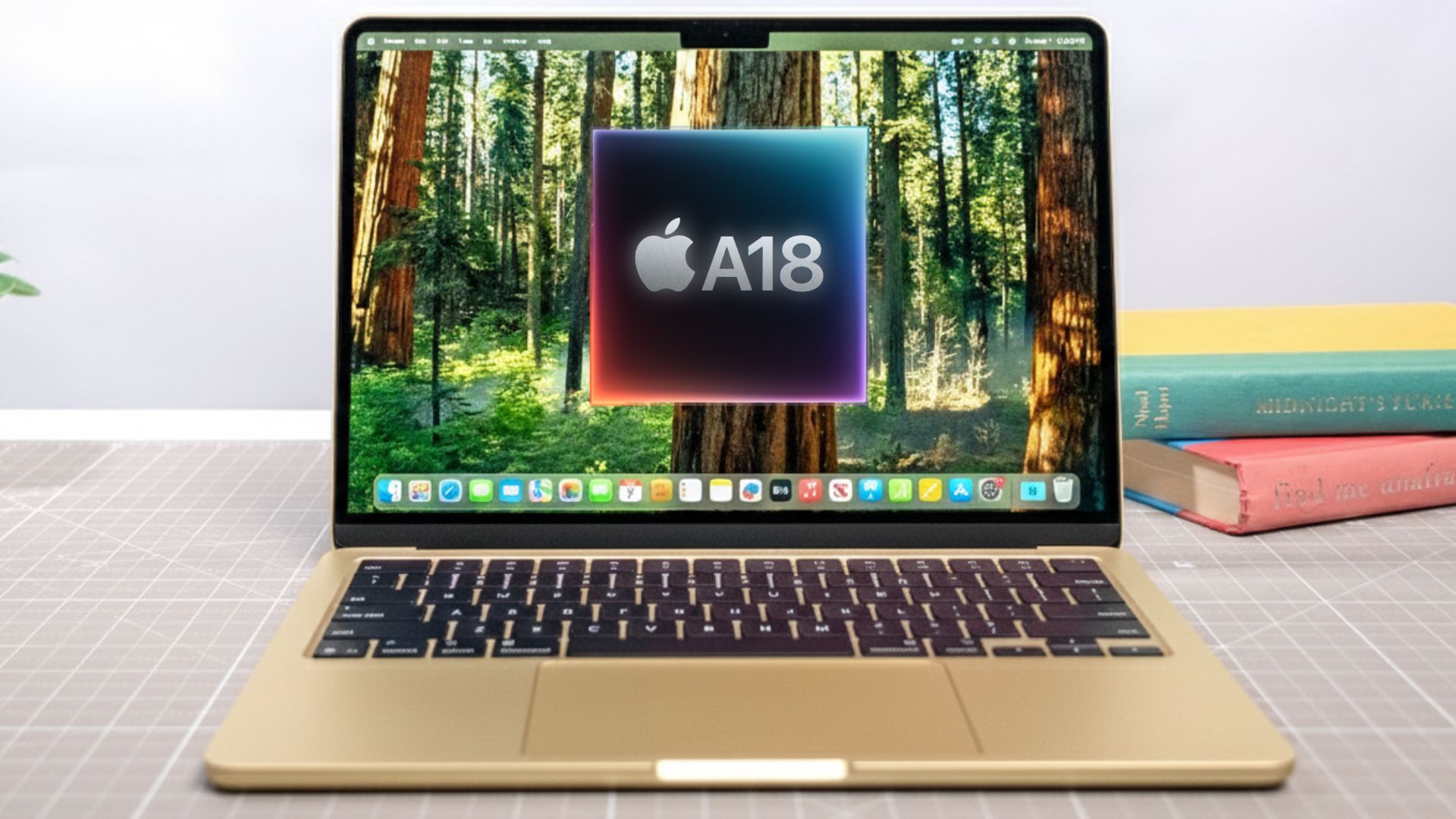
Leaked macOS Tahoe debug-kit references suggest Apple may introduce a lower-cost MacBook with an A18 Pro chip that trims cost by omitting features such as a backlit keyboard, True Tone, higher-brightness display, faster SSD speeds, 1TB/2TB storage tiers, fast charging, the N1 connectivity chip and high‑impedance headphone support. If accurate, the device would target the entry-level laptop segment while preserving core performance, a move that could increase Apple’s competitiveness in budget notebooks but is unlikely to materially affect near-term financials or market pricing for Apple.
Market structure: A sub-$1,000-ish MacBook with an A18 Pro (rumored) would shift demand down-market and directly benefit Apple (AAPL) via volume and stickier ecosystem revenue (services/accessories), while pressuring low-end Windows OEMs (HPQ, LNVGY) and Chromebook makers. Expect modest ASP compression for Apple but higher unit growth; conservatively model a 5–10% incremental unit increase in entry-level Mac demand over 12 months if price point is ~20–30% below current MacBook entry models.
Risk assessment: Near-term (days) volatility centers on the product reveal and guidance; short-term (weeks/months) risks include cannibalization of higher-margin Mac models and 50–150 bps gross margin compression if ASP falls; long-term (12–24 months) upside from an expanded installed base could materially lift Services (+2–5% revenue CAGR). Tail risks: supply-chain hiccups, component shortages, or antitrust scrutiny of ecosystem lock-in could create outsized moves (>10% stock shock).
Trade implications: Event risk likely compresses implied volatility pre-launch; tactical plays should use time-limited option structures (30–60 days) to capture post-announcement drift, and consider disciplining stop-losses at 8–12% for equity positions. Cross-asset: modest positive for USD via tech flows, neutral for IG bonds; semiconductor suppliers for premium NAND (MU, WDC) face subtle downside if Apple sources lower-tier SSDs.
Contrarian angle: Consensus underestimates long-cycle upside from ecosystem expansion—cheap MacBooks historically convert users into paid services/refresh cycles. If Apple accepts margin trade-offs now, AAPL LEAP calls (9–18 months) could be underpriced relative to multi-year Services accretion; conversely, OEMs may be oversold if Apple’s share gains are logistic-limited.
AI-powered research, real-time alerts, and portfolio analytics for institutional investors.
Request DemoOverall Sentiment
neutral
Sentiment Score
0.12
Ticker Sentiment
