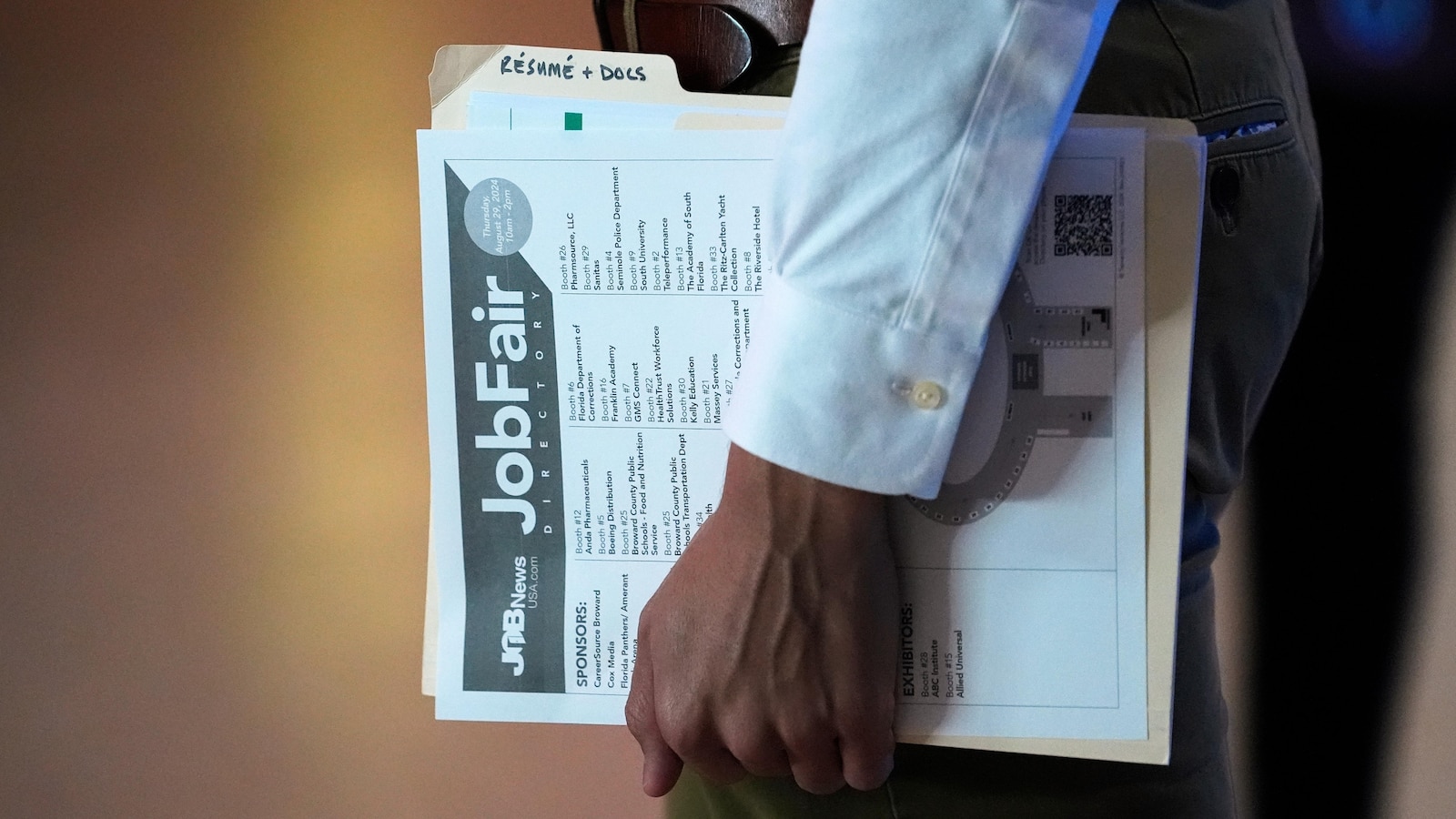
Weekly U.S. jobless claims rose 12,000 to 211,000 for the week ending May 9, modestly above the 207,000 consensus and still historically low. The article pairs that stable labor backdrop with rising inflation pressure, as consumer prices increased 3.8% and producer prices jumped 6% year over year, while oil prices have surged more than 50% since the Iran war began. The combination of geopolitical disruption, higher energy costs, and a more uncertain Fed outlook suggests broader market implications rather than a single-sector move.
The first-order read is that labor demand is still holding up, but the more important signal is that higher energy costs are starting to transmit into hiring behavior with a lag. In a low-hire/low-fire regime, the next leg of weakness is usually not a spike in layoffs but a slow deterioration in hours worked, temp staffing, and small-business postings; that is where we should expect claims to soften further over the next 4-8 weeks if gas remains elevated. The market is likely underestimating how quickly margin pressure at transport and retail names can translate into hiring freezes rather than outright cuts. The bigger macro risk is not the claims print itself but the policy trap it creates: inflation is rising while growth is losing momentum, leaving the Fed with less room to cushion a labor slowdown. If producer prices stay hot for another 1-2 reads, rate-cut expectations can get pushed out again, which would pressure duration-sensitive equities and rate-levered cyclicals at the same time. That is a bad combination for companies that depend on cheap capital to offset softer consumer demand and higher input costs. Within the named cohort, the most exposed names are the ones with the least pricing power and the largest wage/fuel exposure: parcel/logistics and mass retail. A sustained fuel shock likely compresses operating margins before top-line weakness shows up, and management teams will respond first by slowing hiring and capex, then by passing through costs with a delay that risks volume loss. The contrarian angle is that the initial market reaction may overprice a broad labor-market breakdown; historically, claims in the low-200ks have been more consistent with normalization than recession, so a single tick higher here is not enough to justify a macro panic trade. The real setup is a dispersion trade rather than a directional equity beta call: the market may start rewarding businesses with tariff pass-through and inflation hedges while punishing pure operators. Over the next 1-3 months, any sign of worsening freight volumes or softer retail traffic would likely matter more for these names than the headline claims trend. Conversely, if oil rolls over or the Fed signals tolerance for a growth slowdown, the entire labor-inflation scare can reverse quickly, making this a good event-driven short-term, not a secular recession, thesis.
AI-powered research, real-time alerts, and portfolio analytics for institutional investors.
Request DemoOverall Sentiment
mildly negative
Sentiment Score
-0.15
Ticker Sentiment
