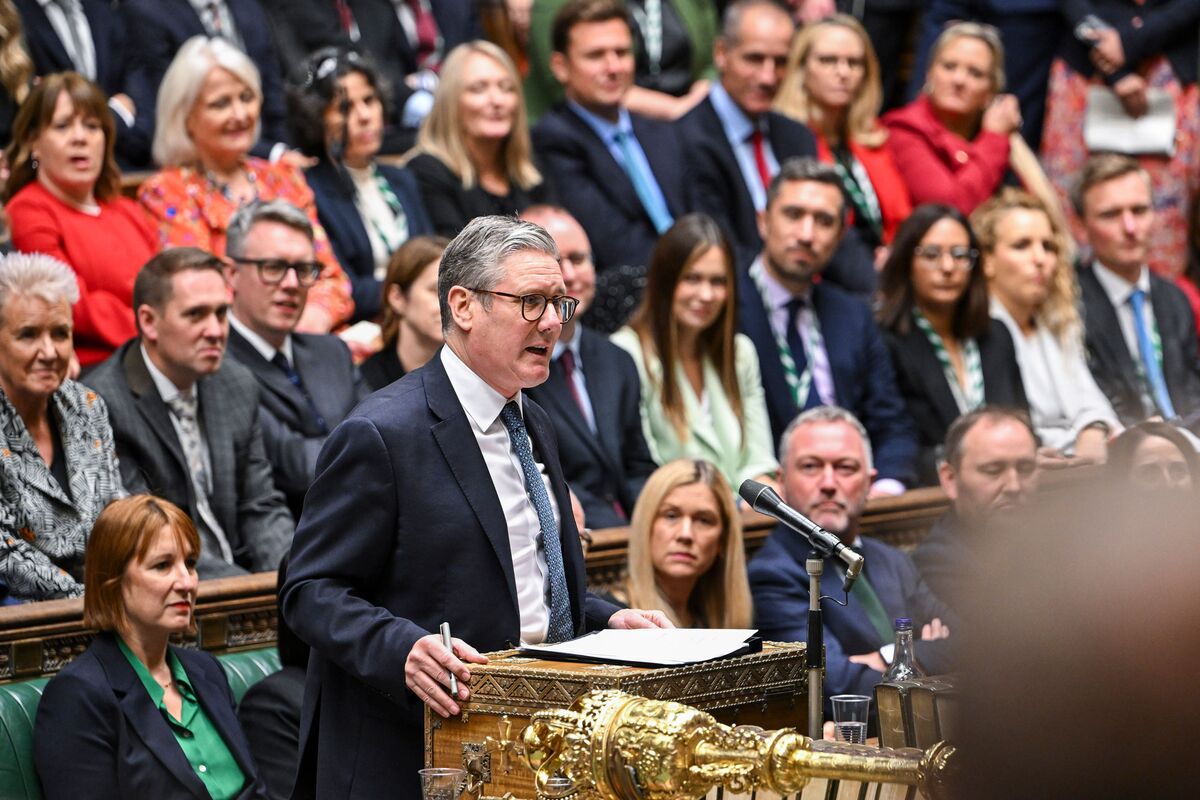
UK Prime Minister Keir Starmer’s government will seek to overturn amendments made by the House of Lords to its flagship employment rights legislation, reinstating the original bill. This move, confirmed by Starmer's spokesman, signals the government's firm commitment to its proposed labor market reforms, indicating a potential legislative pushback and shaping future UK employment regulations.
The UK government, led by Prime Minister Keir Starmer, has officially stated its intention to reverse amendments made by the House of Lords to its flagship employment rights legislation. According to the Prime Minister’s spokesman, the government will seek to reinstate the bill to its original form as passed through the House of Commons. This development signals a clear legislative conflict and underscores the government's commitment to its proposed labor market reforms. While the specific details of the amendments and the original bill are not provided, this move creates uncertainty around the final form of UK employment regulations. The outcome will have direct implications for the operational environment, labor costs, and compliance burdens for companies operating within the United Kingdom. The neutral sentiment and low market impact score reflect that this is a procedural political event, with the ultimate economic consequences dependent on the bill's final passage and content.
AI-powered research, real-time alerts, and portfolio analytics for institutional investors.
Request DemoOverall Sentiment
neutral
Sentiment Score
0.00
