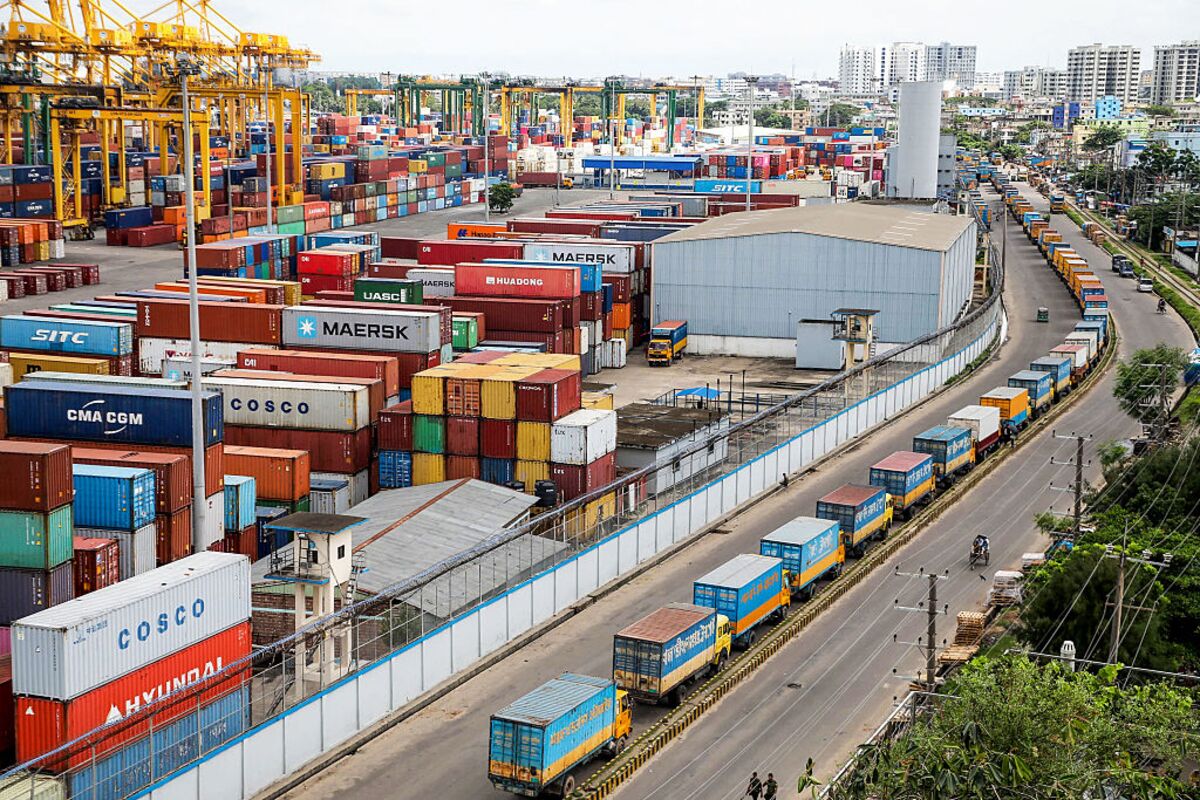
Bangladesh's interim government anticipates a positive resolution in its trade negotiations with the US, following seven rounds of talks. This development is significant as Bangladesh was among the nations most severely affected by President Trump's sweeping tariffs in April, indicating potential relief and a de-escalation of bilateral trade tensions.
Bangladesh's interim government is signaling strong optimism for a favorable resolution in trade negotiations with the United States, a significant development given the country was among the hardest hit by President Trump's tariffs in April. The expectation of a "positive outcome," as stated by Commerce Secretary Mahbubur Rahman, follows an extensive series of seven negotiation rounds. A successful agreement would mark a crucial de-escalation of bilateral trade friction, potentially leading to the reversal of punitive tariffs. This outlook aligns with the 'strongly positive' sentiment score (0.65) and suggests a potential catalyst for improving the nation's trade balance and economic stability, particularly for its export-oriented sectors.
AI-powered research, real-time alerts, and portfolio analytics for institutional investors.
Request DemoOverall Sentiment
strongly positive
Sentiment Score
0.65
