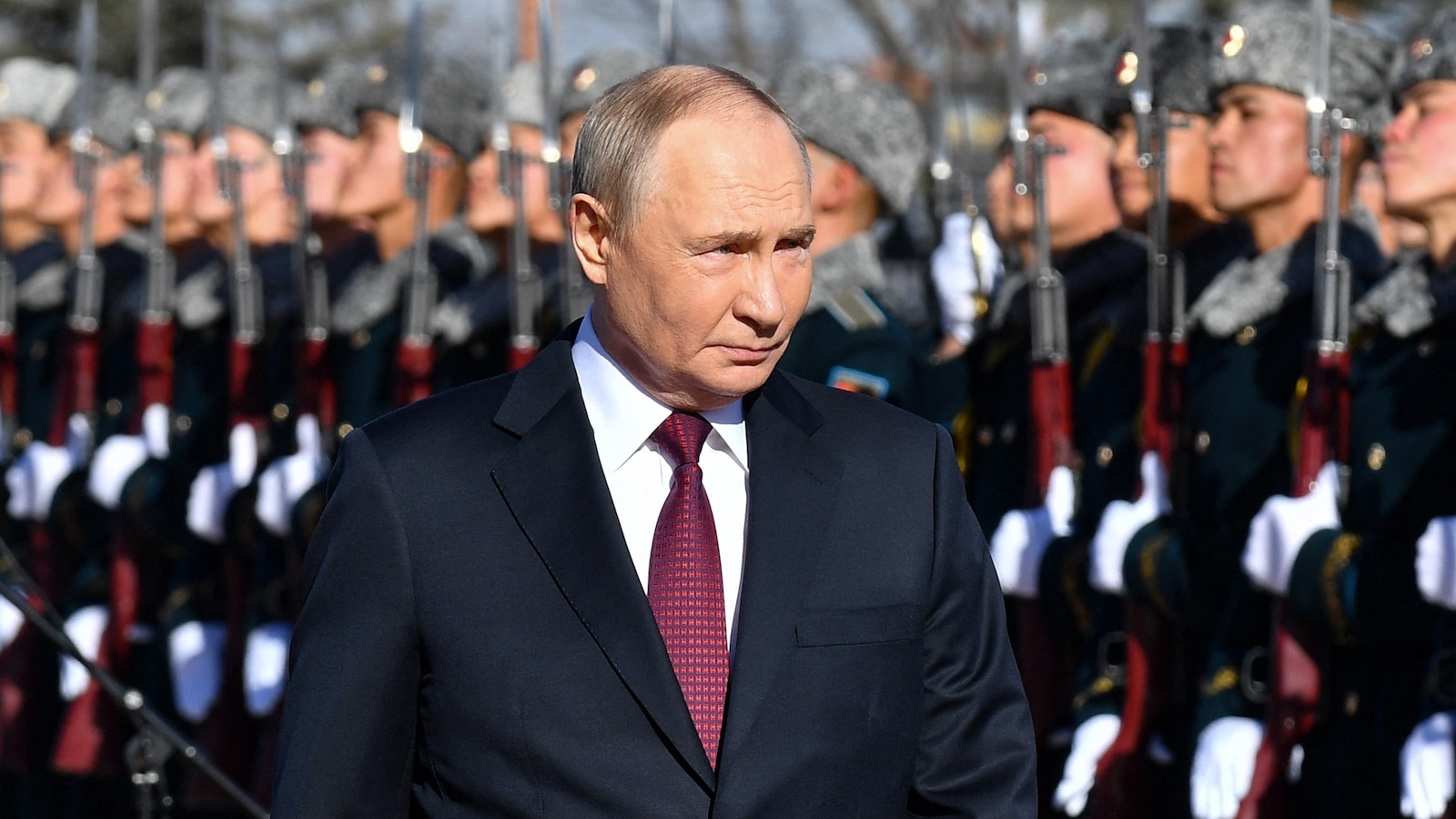
U.S. envoy Steve Witkoff is set to present a revised peace framework in Moscow after an initial 28-point U.S. proposal was pared to 19 points during recent talks, but analysts and former diplomats warn Vladimir Putin is likely to delay or seek better terms while consolidating territorial gains. Russian forces have seized roughly 350 square miles since the Alaska summit and continue long-range strikes that have damaged Ukraine's energy infrastructure and caused rolling blackouts, reinforcing concerns that Moscow will press for recognition of 'new territorial realities.' For investors, the piece signals persistent geopolitical risk that could sustain upside pressure on defense names, energy security premiums and sanction-related volatility while limiting near-term prospects for a market-stabilizing ceasefire.
Market structure: A stalled or protracted negotiation favors defense contractors (Lockheed Martin LMT, Raytheon RTX), integrated oil & gas (XOM, CVX) and commodity exporters due to a higher ‘energy-security’ premium; expect oil upside of $5–$12/bbl (≈7–20%) and European TTF gas shocks (+20–50%) if talks fail over 1–3 months. Losers: European utilities and travel/leisure (JETS ETF, airline names) face higher fuel costs and demand hits; Ukrainian reconstruction plays and regional financials face sovereign/default risk and dislocation.
Risk assessment: Tail scenarios: (1) Surprise capitulation/ceasefire within 1–3 months → defense equities down 15–30% and oil falls $8–$15 (fast unwind); (2) Escalation/sanctions spiral → European gas +50% and systemic EM stress, Russian sovereign spreads widening >300bps. Key hidden dependencies: Trump–Putin bilateral dynamics, US congressional aid votes (30–60 days), and battlefield gains (weekly ISW data) which will materially swing probabilities.
Trade implications: Near term (days–weeks) trade around the Moscow visit: buy volatility hedges (VIX calls) and small GLD exposure; short-duration tactical longs in LMT/RTX via 3–6 month 10–25% OTM call spreads to cap cost; 2–4% portfolio energy exposure (XLE or XOM/CVX) for 3–12 months; pair trade long LMT (1.5% via call spread) short JETS ETF (1.5% cash) to express defense vs travel divergence.
Contrarian angles: Consensus assumes prolonged stall; market underprices a negotiated freeze that preserves Russian gains but triggers reconstruction demand—materials and heavy equipment (BHP, CAT, CRH) could rally 20–40% over 6–18 months. Beware crowded defense longs: if a deal emerges, be ready to cut positions on a 15% drawdown trigger and rotate into construction/mining names within 30–90 days.
AI-powered research, real-time alerts, and portfolio analytics for institutional investors.
Request DemoOverall Sentiment
moderately negative
Sentiment Score
-0.45
