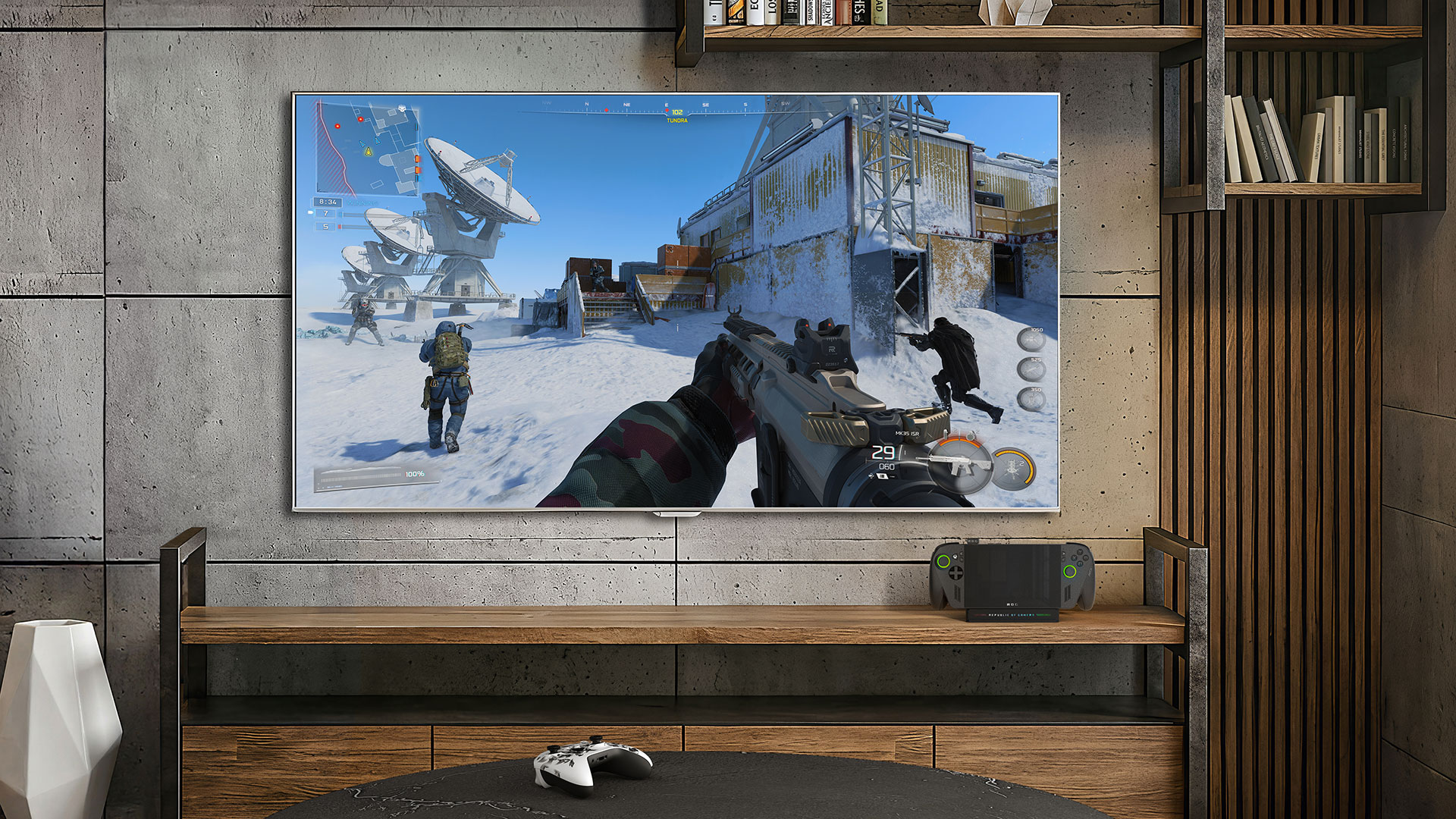
Microsoft and partners ASUS and AMD are rolling out a broad update package for the ROG Xbox Ally and ROG Xbox Ally X, including docking improvements, controller pairing enhancements, Game Bar display controls, Auto Super Resolution preview, and expanded Xbox PC app library support. The article also highlights continued ecosystem progress, with more than 1,000 PC games now handheld-compatible and additional titles gaining Default Game Profiles and Advanced Shader Delivery. The update is constructive for the handheld gaming experience but is incremental and unlikely to materially move markets.
This is less a consumer product update than evidence that AMD is getting embedded deeper into a potentially sticky hardware/software ecosystem. The key second-order effect is mix durability: if the handheld category transitions from novelty to a recurring software-improvement cycle, AMD’s exposure shifts from one-time device sales to a longer tail of platform attachment, which is more valuable than headline unit growth alone. The announcement also suggests Microsoft is trying to reduce the friction of Windows on handhelds, which matters because user frustration historically capped adoption more than raw hardware specs did. The competitive implication is that the real battleground is no longer just against Nintendo or traditional PCs, but against the idea that Windows-based handhelds are “unfinished.” Every incremental feature that makes docked play feel console-native lowers churn risk and improves accessory attach rates, which should help ASUS and AMD more than any single refresh cycle. The more subtle beneficiary is the ecosystem around docks, headsets, and controllers; if this becomes a de facto Windows handheld standard, peripherals can compound faster than the core device business. From a catalyst perspective, this is a months-long rather than days-long setup. Near-term upside in AMD is more likely from sentiment and ecosystem breadth than direct revenue contribution, but the market can start discounting a larger Windows gaming addressable market if adoption data shows handheld engagement translating into repeated software purchases and higher accessory utilization. The main reversal risk is simple: if consumers still treat these devices as niche, feature-rich updates won’t convert into volume, and the stock will revert to normal semi-beta behavior. The contrarian read is that investors may be underpricing how much of AMD’s gaming optionality now comes from non-console, non-datacenter channels. Consensus tends to dismiss gaming silicon as cyclical and low quality, but a platform that increases stickiness through software improvements can support better forward visibility than the market gives it credit for. The flip side is also true: if Microsoft continues to own the software layer, AMD remains a toll-taker, not the strategic controller of the platform, so upside is real but capped unless hardware demand broadens materially.
AI-powered research, real-time alerts, and portfolio analytics for institutional investors.
Request DemoOverall Sentiment
mildly positive
Sentiment Score
0.38
Ticker Sentiment
