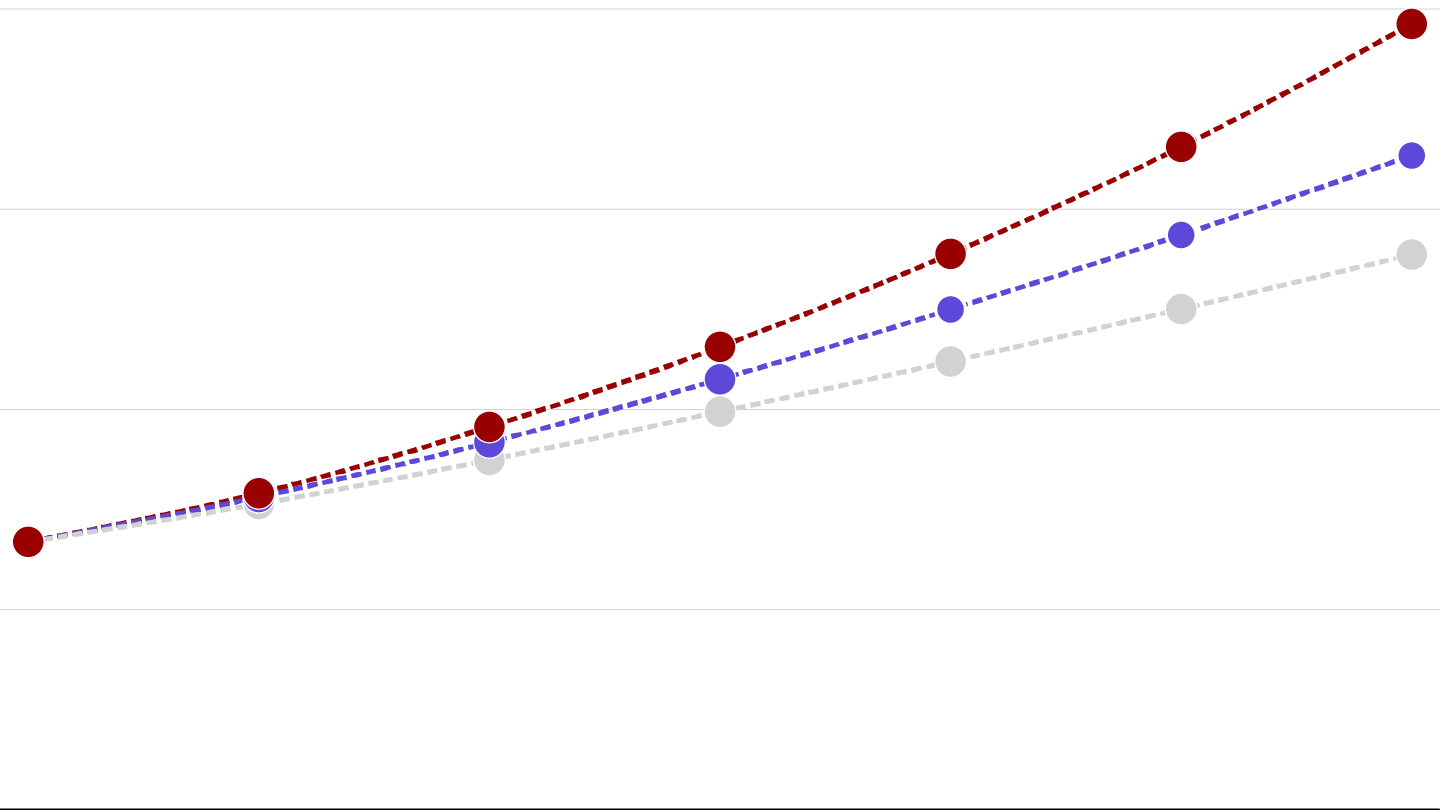
The data center construction boom is entering a more disciplined, power-constrained phase, driven by accelerating AI adoption, particularly inference workloads, according to Bain's latest forecast. While hyperscaler investments are increasing, the focus is shifting towards capital efficiency and selective deployments, with demand globalizing beyond North America. Critically, power availability has emerged as the primary bottleneck for growth, necessitating new behind-the-meter generation strategies and urgent coordination among utilities, developers, and regulators.
The data center construction sector is transitioning into a more disciplined and power-constrained growth phase, driven by accelerating AI adoption, according to Bain's latest forecast through 2030. This shift sees generative AI demand evolving from an early scramble to a more selective, execution-focused approach, with hyperscalers and large enterprises scaling up production-grade AI. The overall sentiment is "strongly positive" with an "optimistic" tone, indicating robust underlying demand despite evolving market dynamics.
Hyperscaler investments are projected to increase meaningfully in 2025 and beyond, contradicting earlier expectations of a pullback, though they are becoming more capital-efficient and selective in new deployments, particularly for AI training. While North America currently holds the largest capacity, growth is globalizing due to sovereign AI mandates and enterprise adoption activating regional markets. This necessitates strategic decisions regarding geographic flexibility to align compute infrastructure with latency, data sovereignty, and energy sourcing.
Data centers are becoming larger, with "mega-campuses" (at least 1 gigawatt) becoming standard for frontier model training, yet also more flexible to accommodate diverse inference workloads through distributed networks and multiple cooling options. Critically, power availability has emerged as the primary bottleneck for growth, surpassing GPU and construction constraints. This is driving a shift towards behind-the-meter (BTM) power generation, predominantly in the US with gas power, and demanding urgent coordination among utilities, developers, and regulators.
AI-powered research, real-time alerts, and portfolio analytics for institutional investors.
Request DemoOverall Sentiment
strongly positive
Sentiment Score
0.70
