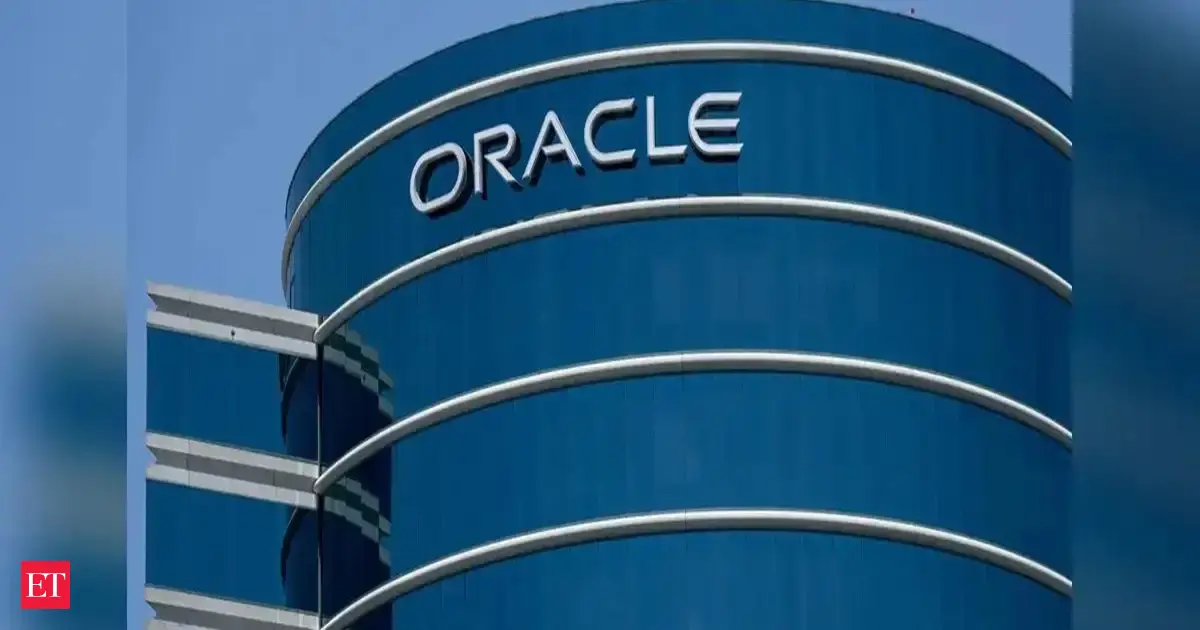
Key event: Oracle eliminated "thousands" of roles globally with reports of up to ~12,000 job cuts in India; the company employed roughly 162,000 full-time employees as of May 2025. The layoffs hit Oracle Fusion Cloud Applications, Oracle Cloud Infrastructure, engineering, data-centre operations and AI/ML teams and were attributed to increased spending on AI infrastructure. Reported severance: US employees receive four weeks' base pay plus one week per year of service (capped at 26 weeks); India employees were offered limited cash components (15 days' salary for employees with >1 year service, one-month notice pay, leave encashment, gratuity where eligible and a two-month top-up), with fuller severance reportedly available only on voluntary/amicable resignation. Oracle declined to confirm the number of cuts and notified affected staff by early-morning emails requesting personal contact details for follow-up.
Oracle’s reallocation toward AI infrastructure is a classic capital-labor tradeoff: management can materially reorient spend into servers, GPUs and data‑centre ops while compressing legacy engineering and sales coverage. Expect near-term margin optics to improve as one‑time severance is absorbed, but durable earnings upside depends on whether incremental AI spending actually converts to higher recurring ARR rather than one‑off hardware purchases; this is a 2–12 month story for bookings and a 12–36 month story for product competitiveness.
The biggest second‑order winners are cloud infrastructure vendors and GPU suppliers that can fulfil a surge in procurement quickly; conversely, Oracle risks talent leakage into hyperscalers and software rivals, which amplifies product road‑map execution risk and increases the probability of customer churn on multi‑year renewals. In emerging markets, Indian systems‑integrators and staffing firms will capture reallocation of services work but may also face wage inflation as laid‑off engineers are reabsorbed by competitors.
Tail risks include accelerated attrition of engineers (weeks→months), regulatory or reputational fallout in key markets (months), and a pivot by customers to alternatives if feature cadence slips (quarters→years). Near‑term catalysts to watch are quarterly guidance cadence, capex disclosures, and large enterprise renewal outcomes; any positive data could reverse sentiment quickly, while missed bookings would amplify downside.
The consensus trade — purely valuing cost cuts — overlooks execution risk on AI product delivery and the competitive hiring dynamic. That argues for a tactical, event‑driven positioning rather than a multi‑year directional bet until we see stable ARR uplift and slowed attrition metrics.
AI-powered research, real-time alerts, and portfolio analytics for institutional investors.
Request DemoOverall Sentiment
strongly negative
Sentiment Score
-0.60
Ticker Sentiment
