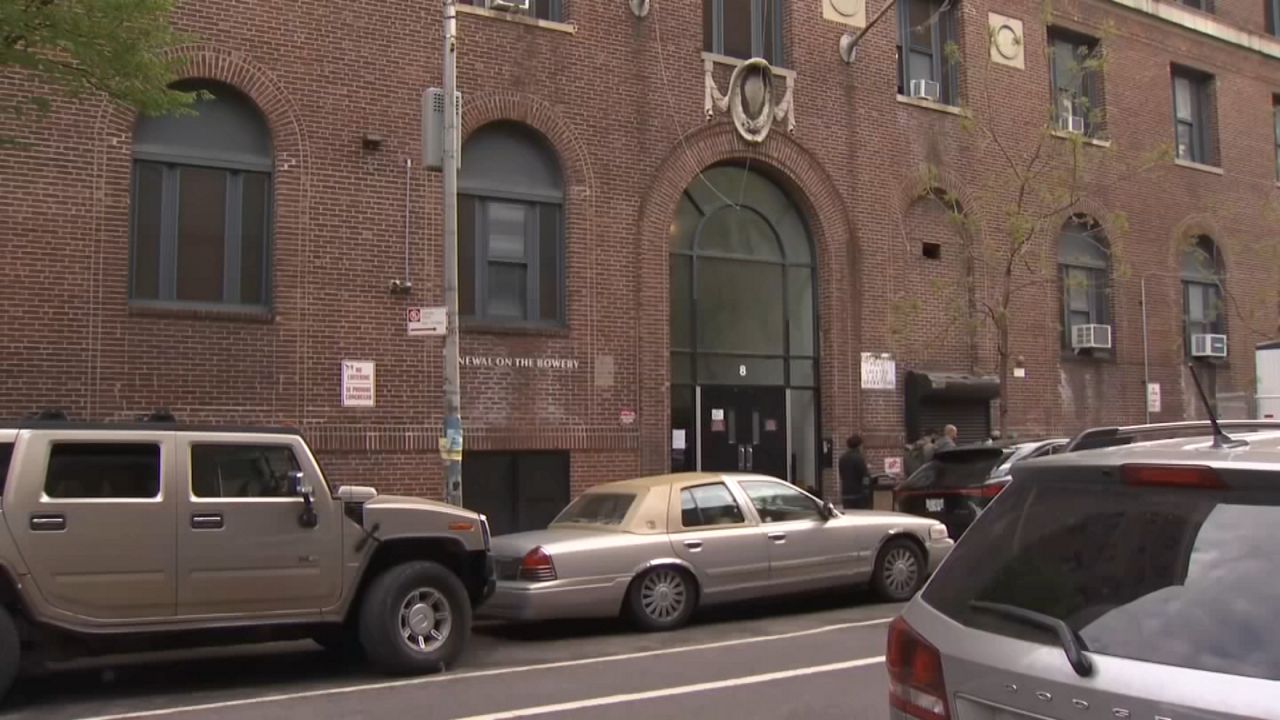
A judge issued a temporary restraining order, putting the city’s plan to relocate the homeless intake facility to 8 East Third St. on hold less than a week before the planned May 1 opening. Residents and business owners allege the city bypassed normal public comment and environmental review processes, while advocates argue the site has long been used for intake services. The case is now paused for two weeks, with both sides due back in court May 7.
This is less a housing headline than a governance signal: the city’s ability to execute politically sensitive real-estate operations now has a court-imposed friction point. The near-term winner is the status quo around the current intake footprint; the loser is any operator or landlord that expected fast-moving public-sector relocations to create incremental demand without a lengthy entitlement process. The bigger second-order effect is that every emergency-use conversion in dense Manhattan now carries a higher implied legal discount rate, which should slow “quick-win” municipal reuse strategies even if the city ultimately prevails.
For real estate, the risk is not just a single shelter site but the precedent for community litigation around institutional uses in constrained neighborhoods. That raises the probability of delays, design changes, and higher holding costs for buildings that depend on policy-driven tenancy rather than market demand. If this pattern spreads, it modestly benefits more flexible suburban or outer-borough assets with easier egress, loading, and lower neighborhood resistance, while pressuring landlords underwriting on city-backed occupancy assumptions.
The catalyst window is short: the next two weeks and the May 7 hearing determine whether this becomes a one-off injunction or a template for broader delay tactics. A quick city response could reverse the immediate trade if the judge narrows the TRO, but even a legal win likely leaves reputational and process costs intact. The contrarian view is that the market may be overestimating the economic impact: the facility is a policy relocation, not a major rent driver, so the real opportunity is in how the ruling affects the city’s future execution speed, not in the direct revenue from this one building.
From a political-risk lens, this is mildly negative for any NYC-exposed asset whose value depends on municipal process certainty. The more important implication is that local opposition can now extract time value from emergency orders, which increases uncertainty premium across the city’s public-private development pipeline.
AI-powered research, real-time alerts, and portfolio analytics for institutional investors.
Request TrialOverall Sentiment
mildly negative
Sentiment Score
-0.15
