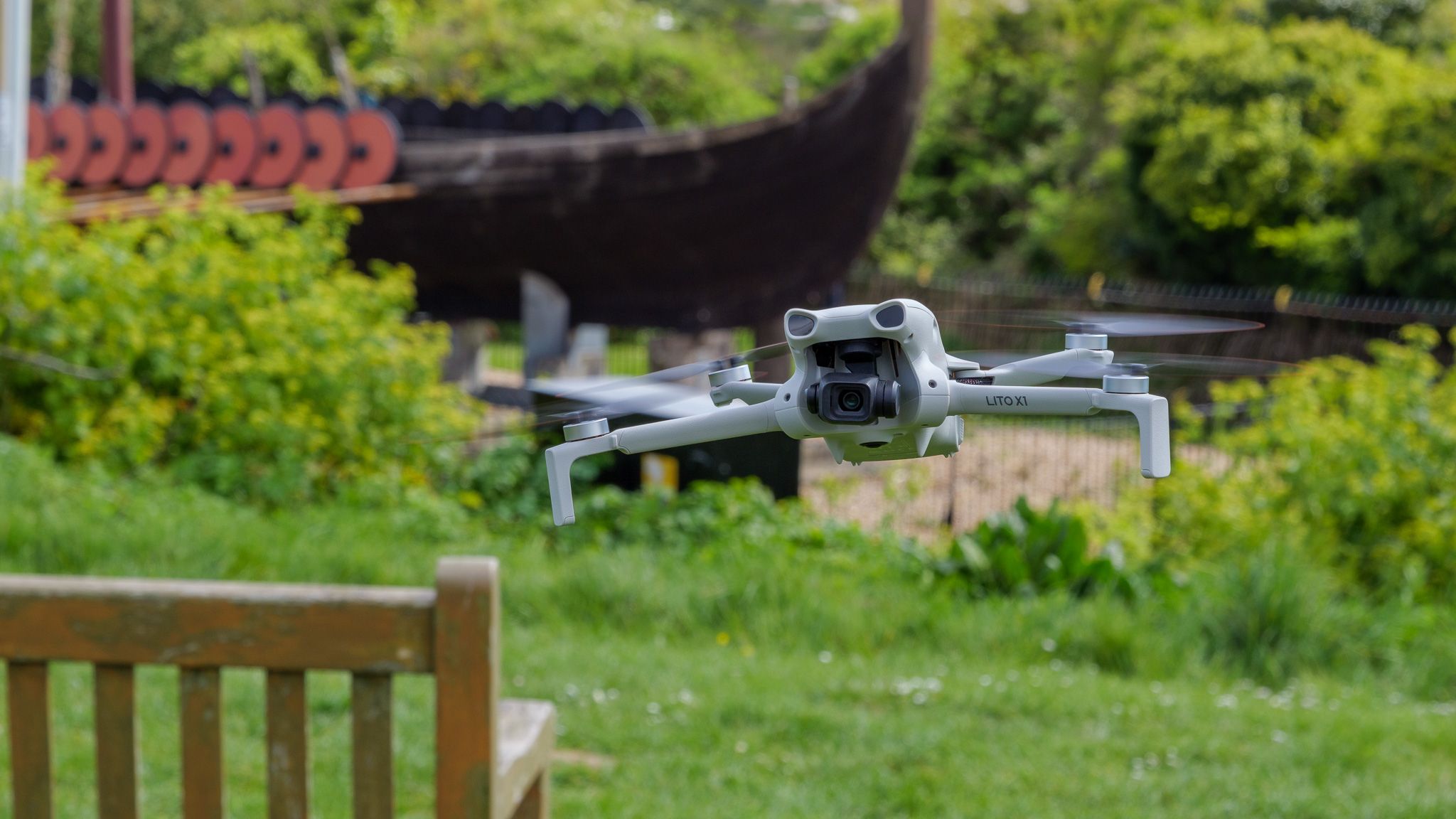
The FCC extended its waiver allowing certain DJI drones and related technology to receive software updates in the U.S. until January 1, 2029, versus the prior January 1, 2027 expiration. Hardware restrictions remain unchanged, but the extension reduces near-term risk that already-sold DJI products become vulnerable to bugs or security issues. DJI is also appealing the ban in U.S. courts, while the FCC is soliciting public comments on the ruling through May 11.
The important market read-through is not the software waiver itself, but the extension of the regulatory glidepath. By pushing out the deadline, the FCC is effectively reducing the near-term probability of a forced obsolescence event for the installed base, which lowers replacement urgency and dampens a potential spike in aftermarket hardware sales. That is a negative second-order for U.S. drone retailers and accessory ecosystems that had been banking on a replacement cycle, but it is a mild positive for serviceability, enterprise uptime, and the used-drone market.
The real pressure point is competitive asymmetry. A prolonged ban on new DJI hardware creates a multi-year opening for alternative drone platforms, but only if rivals can close the gap on price, battery life, flight stabilization, and software polish; otherwise the market remains share-constrained rather than redistributed. That suggests the beneficiaries are less the obvious U.S. consumer brands and more industrial/defense-adjacent names with procurement channels, compliance positioning, and narrower feature requirements.
The key catalyst is legal, not operational: if the appeal gains traction, the market would re-rate the probability of a normalized U.S. DJI channel over months, not days. Conversely, if the court process stalls, the ban becomes a slow-burn share transfer story, with every quarter of constrained launches increasing switching costs for professionals who standardize on ecosystems. The contrarian view is that the market is probably underestimating how sticky DJI’s installed base is; a ban can suppress new sales for years without meaningfully eroding usage, which means competitors may spend heavily only to win low-quality share.
For risk, the biggest tail event is a policy broadening that goes beyond hardware import restrictions into firmware, component sourcing, or reseller enforcement. That would convert a manageable product-cycle issue into a broader supply-chain and warranty problem, especially for distributors carrying inventory. The extension to 2029 reduces that immediate cliff, but it also lengthens the window for litigation headlines to drive abrupt sentiment swings around any company exposed to drone demand.
AI-powered research, real-time alerts, and portfolio analytics for institutional investors.
Request DemoOverall Sentiment
neutral
Sentiment Score
-0.05
