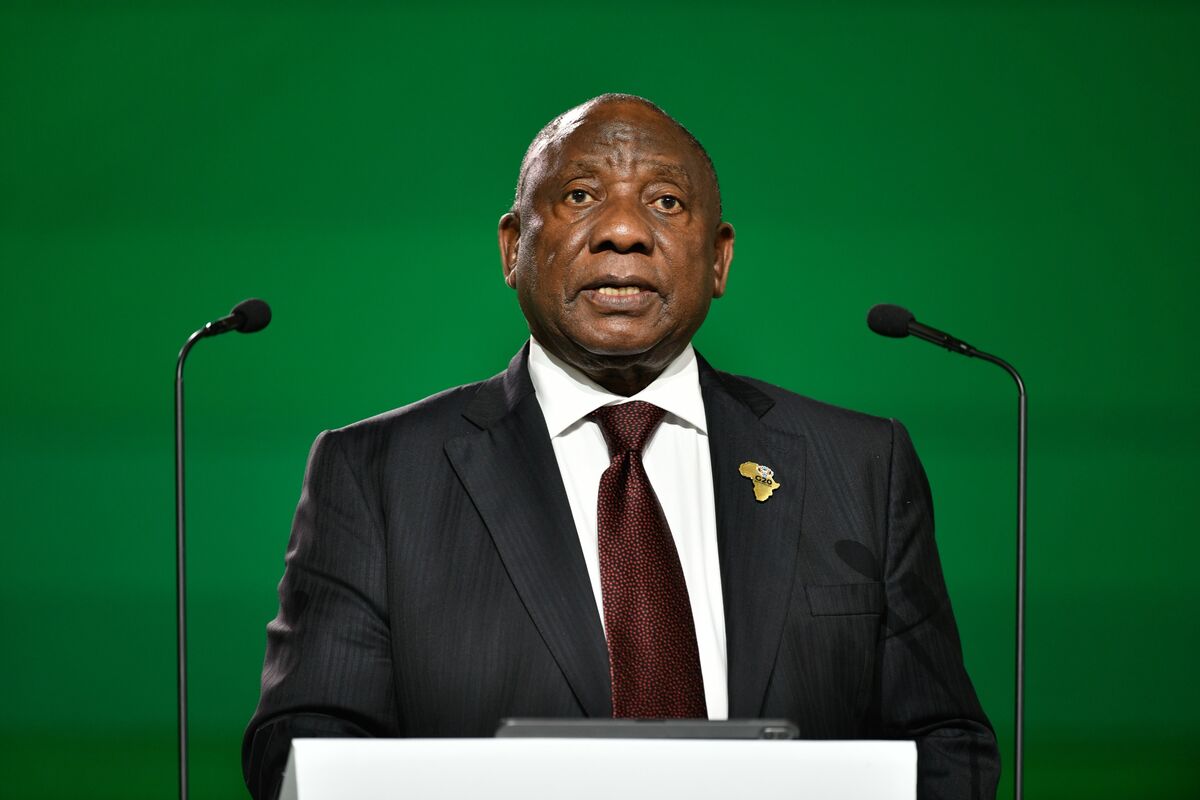
South Africa publicly accused the United States of reversing its stance on what counts as participation in the upcoming G-20, a charge the White House denied, sparking a day of public barbs between this year’s host and next year’s host. The disagreement—over procedural definitions of attendance and engagement—highlights early diplomatic friction that could complicate summit coordination and the optics of host-to-host cooperation ahead of the meeting.
On Nov. 20, 2025, South Africa publicly accused the United States of reversing its position on what constitutes participation in the upcoming G‑20 summit, and the White House denied the charge, according to S'thembile Cele's report. The dispute manifested as a day of public barbs between this year’s host (South Africa) and next year’s host (the U.S.), framing the issue as a procedural disagreement over attendance and engagement.
The disagreement matters for summit logistics and optics because a lack of host‑to‑host alignment can complicate coordination and feed narratives of diplomatic friction ahead of the meeting. The provided sentiment score is mildly negative (-0.25) with an uncertain tone, while the market impact score is low (0.12), suggesting markets currently view the episode as reputational and likely limited in economic consequence absent escalation.
Investor risk is therefore headline‑driven: further public exchanges could produce short‑term volatility in risk‑sensitive assets, but current signals point to constrained market contagion. Close monitoring of subsequent official statements and any procedural resolution is the principal near‑term indicator for whether this remains a contained diplomatic spat or becomes a broader geopolitical concern.
AI-powered research, real-time alerts, and portfolio analytics for institutional investors.
Request DemoOverall Sentiment
mildly negative
Sentiment Score
-0.25
