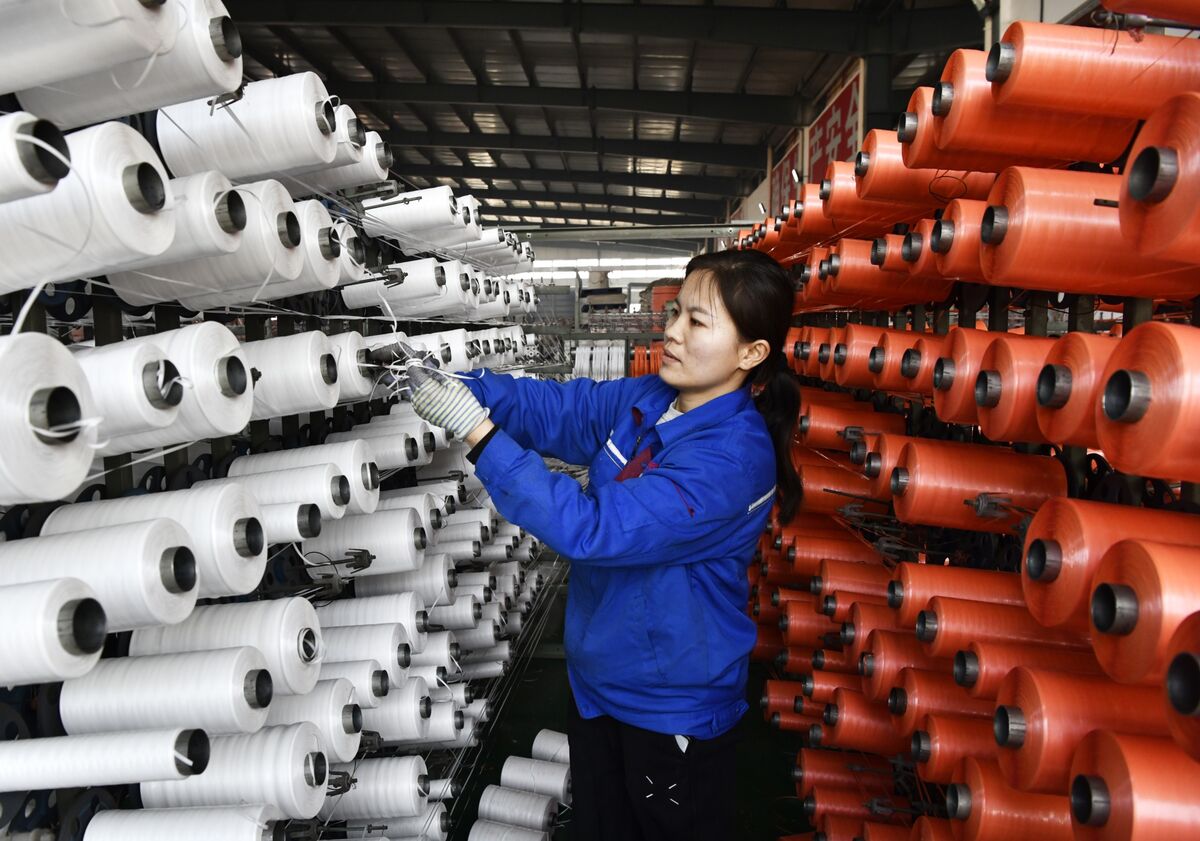
Despite a pause in trade tensions, Chinese plastics factories are hesitant to resume propane imports from the U.S., a key raw material for plastics manufacturing. Prior to the trade war, the U.S. accounted for nearly 60% of China's liquefied petroleum gas imports, but retaliatory tariffs made American energy sales unviable, highlighting the challenges in restoring commercial ties between the two countries.
Despite a temporary cessation in trade hostilities between the United States and China, Chinese plastics manufacturers are exhibiting reluctance to re-engage with U.S. propane suppliers. This hesitation is significant given that prior to the imposition of retaliatory tariffs by Beijing, nearly 60% of China's liquefied petroleum gas (LPG) imports, a crucial raw material for plastics production, originated from the U.S. The tariffs effectively rendered American energy sales, including propane, economically unviable for Chinese buyers. The current standoff, characterized by a moderately negative sentiment and an uncertain tone, underscores the profound difficulty in restoring established commercial ties and supply chains, even when overt trade aggressions are paused, highlighting persistent underlying tensions and the challenges in rebuilding trust between the world's two largest economies. This situation signals ongoing friction in the energy and petrochemical sectors directly impacted by trade policy.
AI-powered research, real-time alerts, and portfolio analytics for institutional investors.
Request DemoOverall Sentiment
moderately negative
Sentiment Score
-0.50
