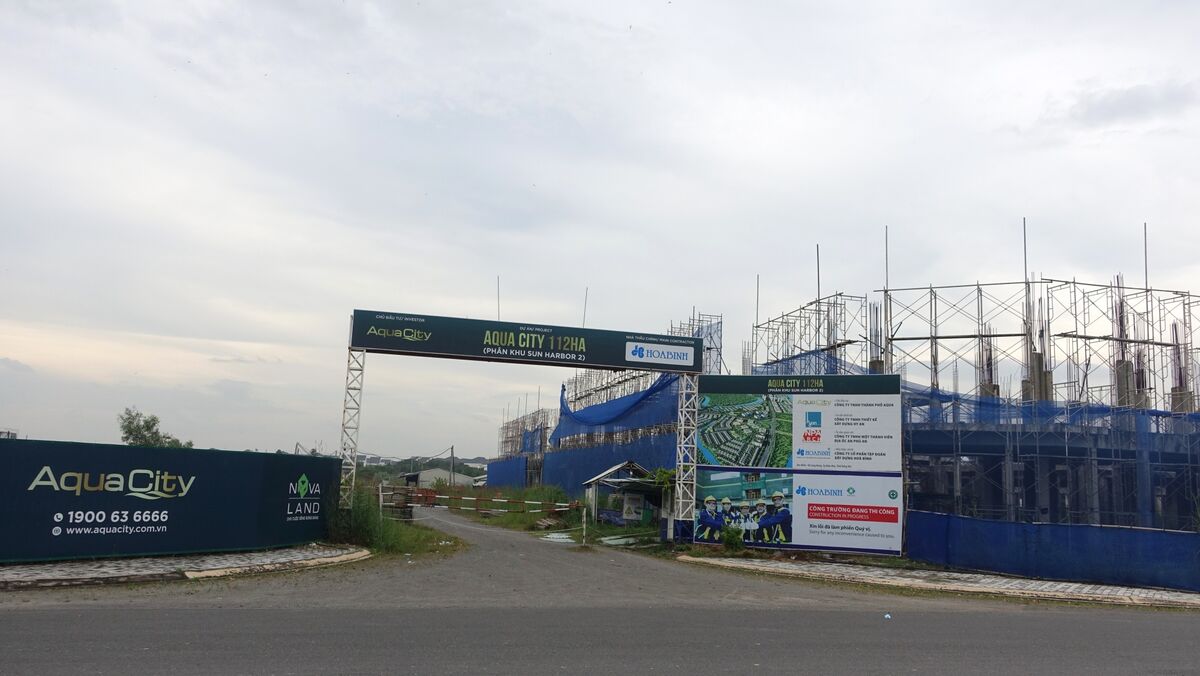
Novaland, one of Vietnam's largest real estate developers, is seeking fresh funding to repay outstanding retail bonds and plans to clear all retail bonds by June 2026 at the latest, CEO Duong Van Bac said; management expects it will take at most eight months to secure the financing. The move is intended to address the company's debt pressures and allow resumption of stalled projects as it aims to return to profitability, which has implications for bondholders and liquidity in Vietnam's property sector.
Market structure: Novaland (HOSE: NVL) attempting to retire retail bonds by June 2026 benefits retail bondholders and any buyers of extinguished paper, but pressures mid‑tier developers as resumption of stalled projects increases supply and compresses pricing power at the margin. High‑quality large caps (VHM, VIC) gain share as buyers and lenders re‑allocate to lower credit risk; banks with strong deposit franchises (VCB, CTG) see reduced NPL tail risk but face near‑term funding strain. Cross‑asset: expect widening of Vietnam corporate spreads (+100–300bp on stressed names) and potential VND volatility if funding fails; commodity demand for cement/steel will be sensitive to project restart timing.
Risk assessment: Tail risks include failed funding (default), contagion forcing forced restructurings across developers, or a regulatory clampdown on retail bond issuance; each could spike sector CDS/spreads 300–800bp and knock 20–40% off mid‑cap developer equity. Time horizons: immediate (days) for market repricing and FX moves; short (weeks–months) for bond repurchases/asset sales; long (quarters) for project restarts and cashflow recovery. Hidden dependencies: heavy reliance on presales, single‑lender or concentrated retail holders, and conditional bank forbearance; catalysts include proof‑of‑funds announcements, asset‑sale transactions >VND5–10tn, or MOF/SBV interventions.
Trade implications: Direct tactical short NVL equity (1–3% book) vs long VHM/VIC for 3–9 months; buy protection on NVL via 3–6 month puts or put‑spreads sized to 1–2% notional to cap downside. Credit: prefer selectively long top‑tier bank risk (VCB 2–4%) to capture margin expansion while reducing mid‑cap developer credit exposure by 50% through direct bonds or credit funds. Entry: initiate within 7–30 days; exit or reassess if Novaland produces verifiable funding/wire confirmations or asset‑sale >=VND5tn within 90 days.
Contrarian angles: Market may underprice Novaland’s ability to execute asset sales or equity injections — if Novaland completes >VND10tn of asset sales or secures syndicated financing within 4–8 months, NVL downside could be limited and distressed bond paper could rally 30–60%. Conversely, distress could force fire sales that create attractive entry for specialist distressed‑debt vehicles; watch concentration of retail bondholders and any government forbearance which could be binary drivers of recovery vs collapse.
AI-powered research, real-time alerts, and portfolio analytics for institutional investors.
Request DemoOverall Sentiment
neutral
Sentiment Score
0.12
