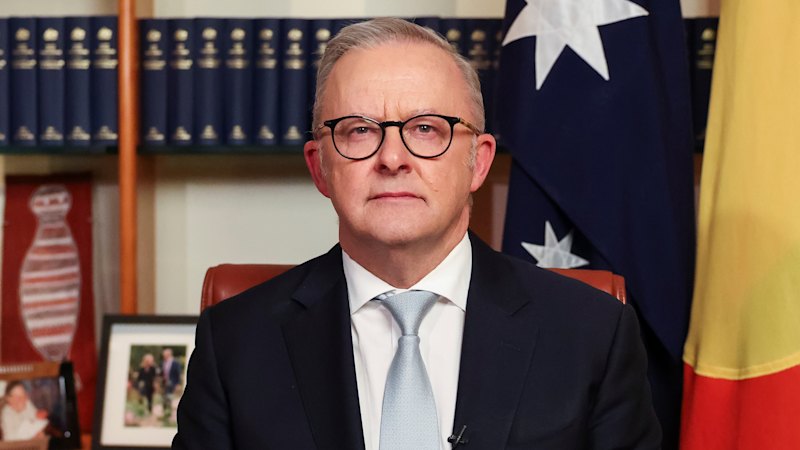
Key event: Prime Minister Anthony Albanese warned of a prolonged economic shock from the Iran war and announced A$1 billion in interest-free loans for businesses while preparing an "ambitious" budget and exploring subsidies/state investment in refineries and higher fuel reserves. Risk: disruption to the Strait of Hormuz (transports ~20% of global oil) could force phased fuel rationing, pressure inflation and growth, and necessitate cost-of-living relief that may undermine anti-inflation efforts.
The fiscal pivot toward subsidising domestic metals, fertiliser and potentially refinery capacity is a structural tilt that benefits capital‑intensive, low‑volume Australian producers more than broad commodity exporters. Targeted support and guaranteed off‑take or loan facilities compress the breakeven for onshore producers vs imports, effectively creating a 10–25% implicit cost gap for subsidised incumbents over 12–36 months and raising barriers for low‑margin importers.
Near‑term energy dislocation creates a two‑phase trade: an acute supply‑shock premium in refined products and tanker services over weeks–months, followed by policy‑driven reallocation of capacity over years. Owners/operators of domestic refining and distribution (private or public) capture the weeks‑to‑months spread; longer term, state investment risks crowding out private returns but locks in volume for local suppliers and parts manufacturers.
Macro risk centers on stagflation: fiscal support targeted at real economy bottlenecks (loans, subsidies, strategic stockpiles) is inflationary unless offset by tight monetary policy, which would compress growth. Catalysts that would reverse the premium are rapid de‑escalation in the Gulf or a coordinated release of strategic reserves — those occur on 2–12 week timelines — while budget commitments and infrastructure deals play out over 6–24 months.
Consensus underestimates the small‑cap supply‑chain winners — machine shops, catalyst/chemical suppliers and regional logistics firms that win long‑dated contracts — because headline commodity names and fuel retailers get disproportionate attention. Monitor budget language for procurement windows and contract winners; those announcements will be the cleanest alpha events over the next 3–9 months.
AI-powered research, real-time alerts, and portfolio analytics for institutional investors.
Request DemoOverall Sentiment
mildly negative
Sentiment Score
-0.35
