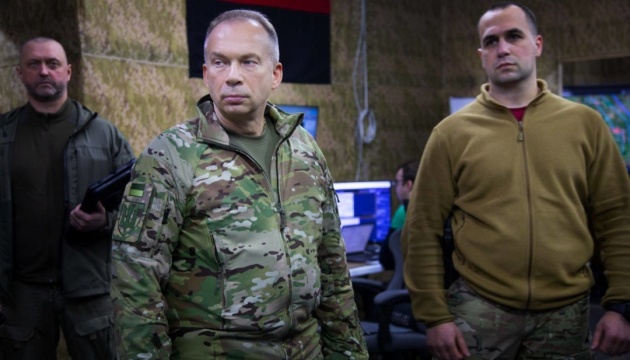
Ukraine’s Defense Forces regained control of 12 settlements on the Oleksandrivka axis and have liberated roughly 480 sq km there; Russian forces conducted 64 attacks in the sector over the past week. Commander-in-Chief Oleksandr Syrskyi reported continued offensive pressure by Russia toward several villages while ordering additional ammunition and logistics to strengthen units on the Pokrovsk/Donetsk axis.
Tactical gains on a limited sector of the front are a classic leading indicator for a multi-month rise in consumable military demand rather than a one-off procurement spike. Sustained active defense and limited offensive advances both imply continued attrition warfare: think recurring orders for 155mm/152mm rounds, guided artillery kits, UAVs and counter-UAS systems that must be produced and fielded on a rolling 6–18 month cadence, not a single lump-sum delivery.
Second-order supply-chain effects are already likely to show up in three pockets: (1) European munitions and ordnance integrators that can scale capacity quickly; (2) logistics and rail/repair contractors rebuilding or reinforcing forward supply lines; and (3) ISR and EW analytics providers selling recurring software and data subscriptions. Conversely, firms exposed to commercial aerospace cycles and Russian-aligned suppliers face asymmetric downside as capital reallocation favors defence CapEx and working-capacity expansions.
Key catalysts and risks cluster by timeframe. In days–weeks, ammunition resupply arrival and weather-driven mobility determine tempo; in months, factory capacity ramps, export approvals, and Western aid bills control the supply curve; in 1–2 years, political shifts or negotiated pauses could collapse demand and leave expanded capacity underutilized. The single largest reversal would be a major diplomatic breakthrough or a sustained funding freeze in donor countries — both can compress revenues for suppliers within 30–90 days of enactment.
AI-powered research, real-time alerts, and portfolio analytics for institutional investors.
Request DemoOverall Sentiment
mildly positive
Sentiment Score
0.25
