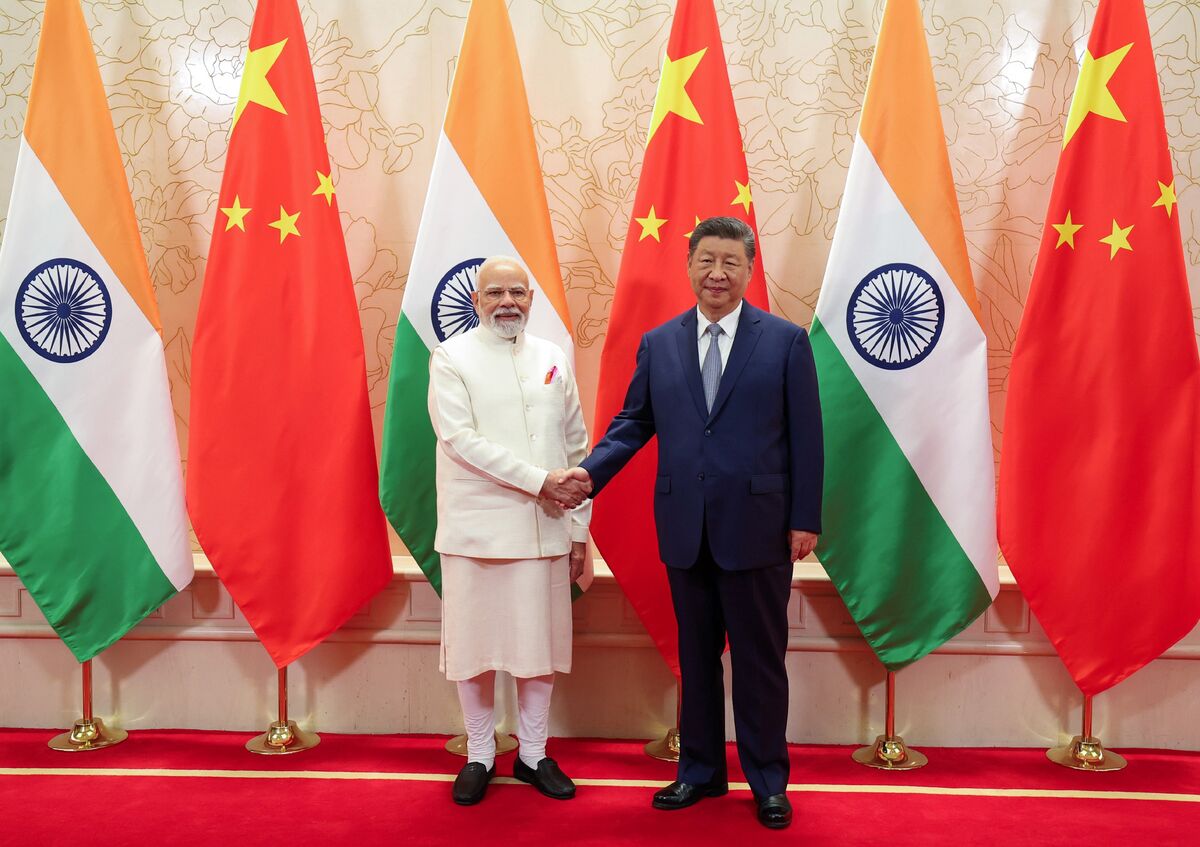
Chinese President Xi Jinping and Indian Prime Minister Narendra Modi met, pledging deeper cooperation driven by economic pressures from the US trade war. This strategic rapprochement between the long-standing rivals, evidenced by the resumption of direct flights and stabilized border relations, signals a significant geopolitical realignment in Asia, potentially impacting regional trade dynamics and investment strategies as both nations seek to mitigate external economic challenges.
A strategic rapprochement is underway between China and India, as evidenced by a meeting between President Xi Jinping and Prime Minister Narendra Modi on the sidelines of the Shanghai Cooperation Organisation summit. This development, characterized by a pledge for deeper cooperation, is explicitly driven by shared economic pressures stemming from the US trade war. Tangible outcomes, such as the announced resumption of direct flights and the noted stabilization of border relations following troop pullbacks, signal a substantive shift from previous tensions. The meeting suggests a strategic pivot by both nations to fortify regional economic ties as a buffer against external protectionist policies. The moderately positive sentiment and market impact score indicate that investors view this thaw favorably, though likely with caution, awaiting further concrete policy integration beyond these initial diplomatic overtures.
AI-powered research, real-time alerts, and portfolio analytics for institutional investors.
Request DemoOverall Sentiment
moderately positive
Sentiment Score
0.50
