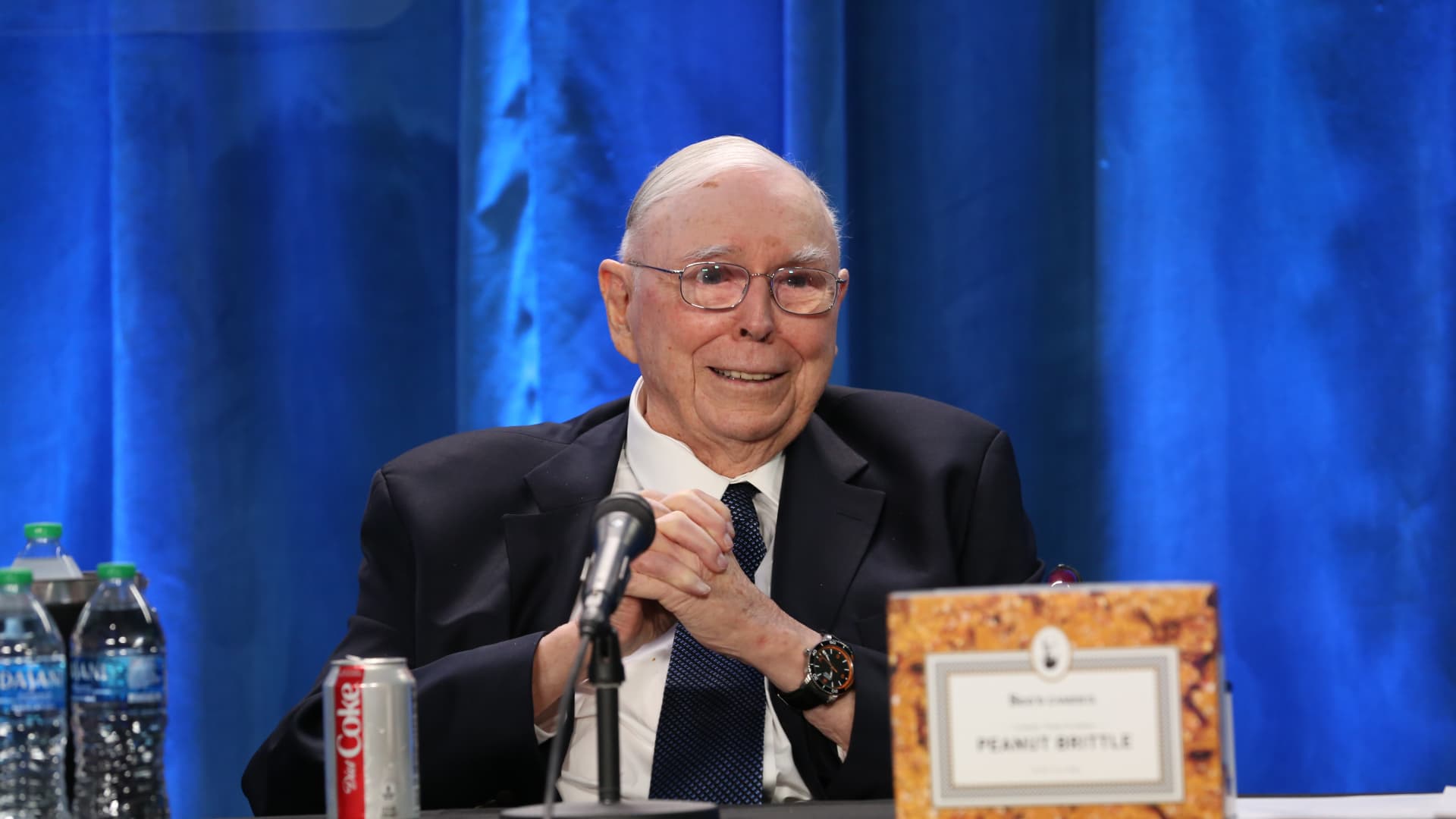
Charlie Munger remained an active, contrarian investor into his final years, generating paper gains of more than $50 million on coal miners Consol Energy and Alpha Metallurgical Resources (Consol later merged with Arch to form Core Natural Resources) and backing a real-estate platform that now holds roughly $3 billion of low-rise California 'garden' apartments. His late-life bets—particularly on coal despite ESG headwinds—signal continued conviction in commodity-driven energy demand and niche real estate assets, while his optimism about Berkshire's institutional investment framework reinforces confidence in the company's governance and succession continuity.
Market structure: Munger's late-stage buys (AMR, CNR) and continued backing of BRK.B/KO signal tactical pockets where supply consolidation (Core Natural Resources) tightens metallurgical coal availability and supports pricing for steel feedstock over the next 6–18 months. Winners: coal miners (AMR, CNR), industrials/steel suppliers and legacy value holders like BRK.B; losers: pure-play renewable/ESG funds and traders positioned for immediate coal obsolescence. Cross-asset: stronger coal prices would push commodity indices and AUD/CAD higher, add upward pressure on breakevens and term structure in IG credit (+10–30bp across 2–10y if inflation surprise persists), and raise skew in miners' options.
Risk assessment: Tail risks include accelerated carbon regulation or client/insurer divestment that could strand assets (trigger >40% downside in coal names within 12–36 months) and merger-integration failures at Core Natural Resources. Time buckets: immediate (days–weeks) sentiment bounce; short-term (3–9 months) earnings re-rating if met-coal stays firm; long-term (2–5 years) structural demand depends on China/India steel policy and green steel adoption. Hidden dependencies: steel demand elasticity, Chinese import quota changes, and ESG fund flow reversals; catalysts include Chinese stimulus, large steel capacity idling, or COP regulatory moves.
Trade implications: Direct plays — establish small, structured exposure to AMR/CNR (leveraged via options) while hedging policy risk; overweight BRK.B as a governance/conviction play. Pair trades — long AMR vs short clean-energy ETF (ICLN) to express relative re-pricing; implement 6–12 month call spreads on AMR for asymmetric upside and buy 10% OTM puts on BRK.B as insurance. Sector rotation — rotate 1–3% from pure renewable ETFs into materials/commodities and select consumer monopolies (KO) over the next 3 months; re-evaluate on a 25% move in coal or a 10% move in BRK.B.
Contrarian angles: Consensus underestimates localized, industrial demand for coal (metallurgical use) even as thermal declines; markets may over-penalize miners for regulatory risk while underpricing near-term tightness — mispricing window likely 3–12 months. Historical parallel: 2000s oil/coal shocks where divestment and underinvestment created multi-year price support; unintended consequence — aggressive ESG divestment can raise margins for remaining suppliers and trigger policy pushback. Monitor thresholds: if met-coal spot falls >25% in 6 months or ESG inflows reverse >5% of ETF AUM, unwind directional exposure.
AI-powered research, real-time alerts, and portfolio analytics for institutional investors.
Request DemoOverall Sentiment
neutral
Sentiment Score
0.15
Ticker Sentiment
