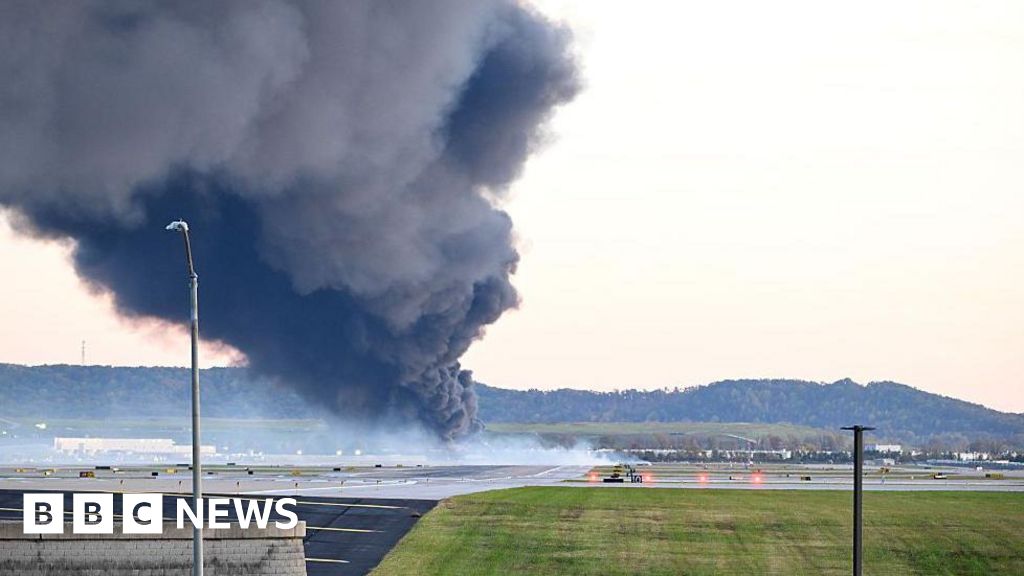
A UPS-operated MD-11F freighter crashed in Kentucky after an engine separated from the wing during takeoff, killing 15 people; NTSB investigators found fatigue fractures in a critical engine-mount bearing and noted Boeing had identified similar failures on four prior occasions. Boeing issued a non-mandatory 2011 service letter recommending five-year visual inspections and an optional revised bearing assembly but had concluded the defect would not cause a safety-of-flight condition; the NTSB investigation is ongoing. The update raises regulatory, litigation and reputational risk for Boeing and underscores potential exposure in aftermarket support for legacy airframes, which could influence investor sentiment and warrant monitoring for further regulatory or financial developments.
MARKET STRUCTURE: The immediate losers are Boeing (BA) and legacy MD-11 operators (UPS exposure limited but reputationally hit); winners include aftermarket parts suppliers and MRO specialists (HEICO, AAR) who can capture accelerated inspection/retrofit demand. Expect Boeing to face near-term pricing pressure on new widebody services and higher warranty/reserve provisioning; credit spreads for BA and key suppliers could widen 50–150bps if regulators escalate. Cross-asset: BA equity volatility will lift equity-index option vols, underlying credit CDS for aerospace to rally, and insurers/p&c reinsurance names may see mark-to-market losses; commodity/FX impact is negligible.
RISK ASSESSMENT: Tail risks include an FAA Airworthiness Directive (AD) or mass inspections forcing fleet groundings and aggregate industry liabilities in the low‑hundreds of millions to low‑billions—low probability but >$1bn upside to claims would be severe. Time horizons: immediate (days) = headline-driven equity shock; short (1–6 months) = NTSB final report/FAA AD/lawsuits; long (1–3 years) = reputational/order deferrals and potential contractual penalties. Hidden dependency: Boeing’s reserve adequacy and supplier single-source parts could produce second‑order cashflow stress; catalysts are NTSB final report, FAA/DOJ actions, and class-action filings within 30–90 days.
TRADE IMPLICATIONS: Tactical: take a modest short/hedge on BA equities and credit while long aftermarket plays. Use option structures: buy 9–12 month BA puts ~15% OTM sized 1–2% portfolio or a put spread to cap premium; simultaneously establish 0.5–1% long positions in HEI or AIR to capture retrofit revenue. For UPS, trim exposure by ~30% and hedge residual with 3–6 month 10% OTM puts (size 0.5% portfolio) given modest operational/legal risk.
CONTRARIAN ANGLES: Consensus may overstate systemic financial damage because the MD‑11 is out of production and liabilities often fall to operators/insurers; if NTSB attributes cause to operator maintenance rather than design, BA downside could be <15%. Historical parallel: 737 MAX shocks led to deep drawdowns then multi-year recoveries—if no ADs or major fines, BA could snap back within 3–12 months. Unintended consequence: aggressive shorting could create a distressed buying opportunity if spreads widen >100bps or BA stock drops >20%; set buy-the-dip re-entry triggers.
AI-powered research, real-time alerts, and portfolio analytics for institutional investors.
Request DemoOverall Sentiment
moderately negative
Sentiment Score
-0.50
Ticker Sentiment
