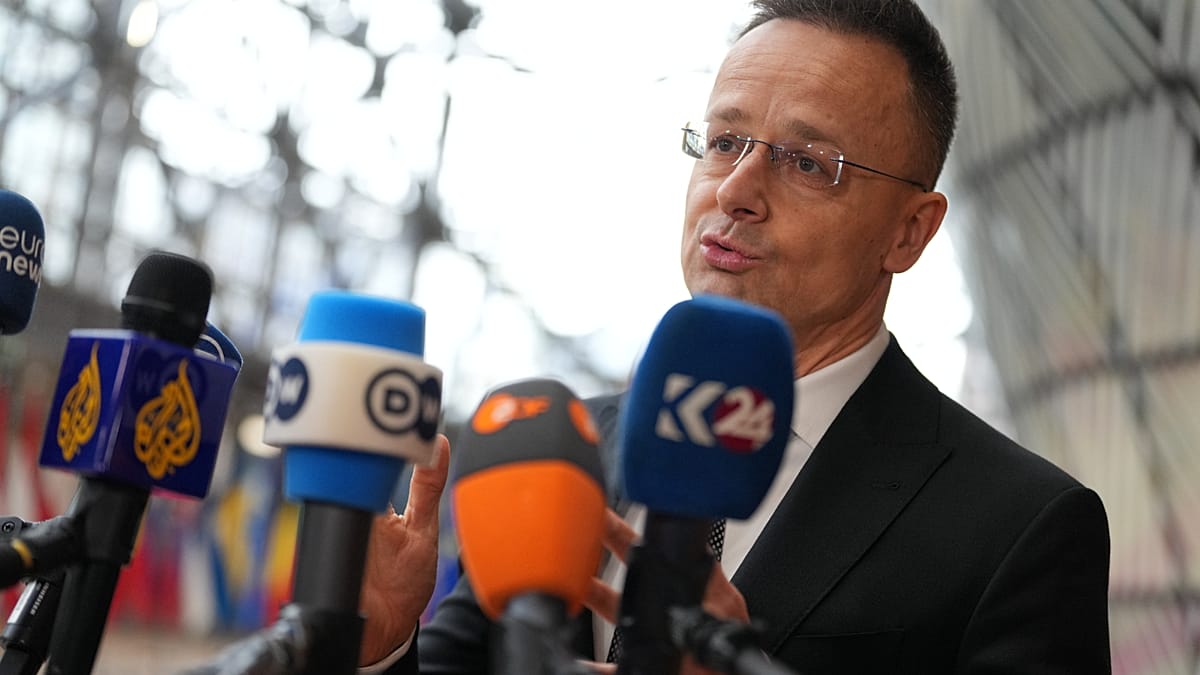
Hungary used its veto twice to block a €90 billion emergency loan for Ukraine and to stall a fresh EU sanctions package against Russia, tying its hold to the resumption of flows on the Druzhba oil pipeline — which Budapest alleges was sabotaged by Ukraine while Kyiv and the EU point to a Russian drone strike. The standoff, amplified by Prime Minister Viktor Orbán's election campaign framing and Slovakia's diplomatic and energy reprisals, undermines EU unanimity on funding and sanctions and leaves Ukraine financing and new measures in limbo, forcing Brussels to signal it may use alternative options to push the package through.
Market structure: The immediate winner is regional refiners and traders able to source crude outside Druzhba (OMV, PKN Orlen, MOL) who can capture higher Urals/Brent differentials and refining margins; losers are Hungary/Slovakia refiners locked into pipeline deliveries and short-duration fuel wholesalers in Central Europe. Expect Brent/front‑month spreads to widen by $3–8/bbl in the next 7–30 days if flows remain curtailed, and Central European diesel/gasoil cracks to spike 10–30% versus NW Europe due to logistics bottlenecks.
Risk assessment: Tail risks include repeated Hungarian vetoes creating persistent EU paralysis (6–12+ months) that raises political‑risk premia across EU sovereigns and delays sanctions, or an abrupt post‑election reversal if Orbán loses (timeline: April 12). Hidden dependencies: energy re-routing capacity (Czech/Poland pipeline/backhaul constraints) and refinery turnarounds will determine how long price dislocations persist; monitoring tanker bookings and pipeline repair notices is critical.
Trade implications: Tactical plays favor long positions in regional refiners (OMV, PKN) and long Brent exposure via front‑month futures/USO with defined call spreads; short HUF via FX (EUR/HUF long) and long Hungary sovereign CDS could profit from political risk if rhetoric persists through April. Use 3‑month option structures to express directional views while capping downside; rotate into defense names (Rheinmetall, BAE) on a 3–12 month horizon if sanctions stalemate persists.
Contrarian angles: Markets assume structural EU paralysis; that may be overdone — a post‑election settlement (within 2–8 weeks after April 12) could reverse HUF weakness and compress energy spreads. Conversely, if EU moves to qualified‑majority voting, Hungary’s bargaining power falls long‑term (benefit pan‑EU assets, hurt concentrated domestic incumbents). Trade sizing should be event‑aware and front‑loaded around the April 12 election and pipeline repair milestones.
AI-powered research, real-time alerts, and portfolio analytics for institutional investors.
Request DemoOverall Sentiment
moderately negative
Sentiment Score
-0.50
