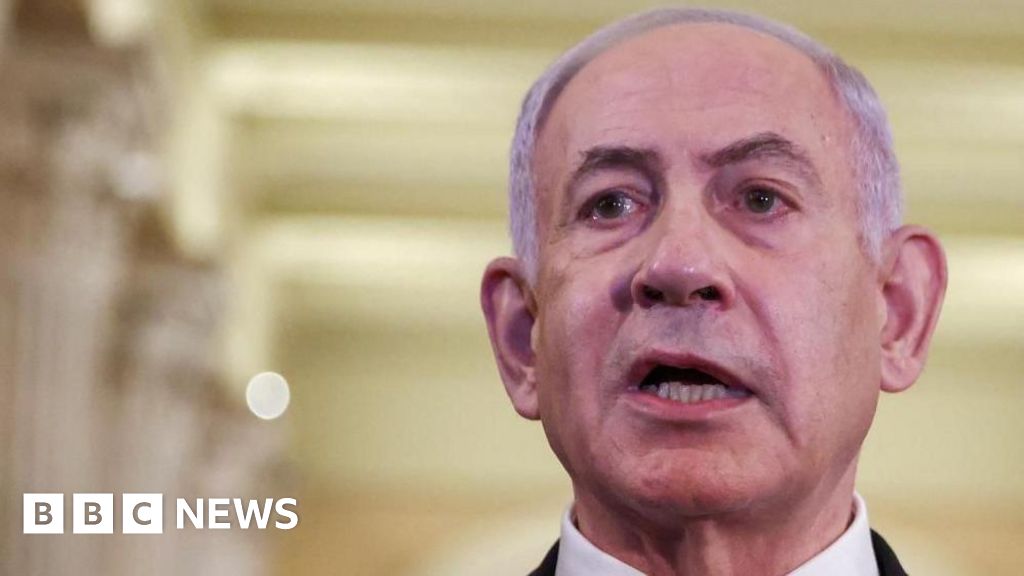
Israeli Prime Minister Benjamin Netanyahu is reportedly set to propose a full reoccupation of the Gaza Strip to his security cabinet, a significant escalation aiming for complete conquest and Hamas's defeat. This plan faces considerable internal dissent from military officials and hostage families, who fear for their loved ones, and is likely to draw strong international condemnation given the dire humanitarian situation and ongoing efforts for a two-state solution. Analysts express skepticism regarding the proposal's feasibility and its potential to prolong the conflict, signaling increased geopolitical uncertainty in the region.
Reports of Israeli Prime Minister Netanyahu's proposal to fully reoccupy the Gaza Strip signal a potential major escalation of the conflict, carrying significant military, political, and humanitarian implications. This move diverges from the current strategy, under which the military claims 75% operational control, and faces substantial internal and external opposition. Domestically, the plan is reportedly opposed by military leaders and conflicts with public opinion, where polls indicate three in four Israelis favor a ceasefire deal for hostage returns. Internationally, the proposal would likely draw condemnation from key allies and runs counter to a renewed diplomatic push for a two-state solution, recently supported by the UK, Canada, and France. The humanitarian crisis, with 90% of Gaza's population displaced and facing starvation, would be severely exacerbated. The high negative sentiment score (-0.7) and market impact score (0.8) underscore the market's perception of this as a highly destabilizing event, with Israeli commentators expressing skepticism about the plan's viability and suggesting it may be a political tactic to prolong the war.
AI-powered research, real-time alerts, and portfolio analytics for institutional investors.
Request DemoOverall Sentiment
strongly negative
Sentiment Score
-0.70
