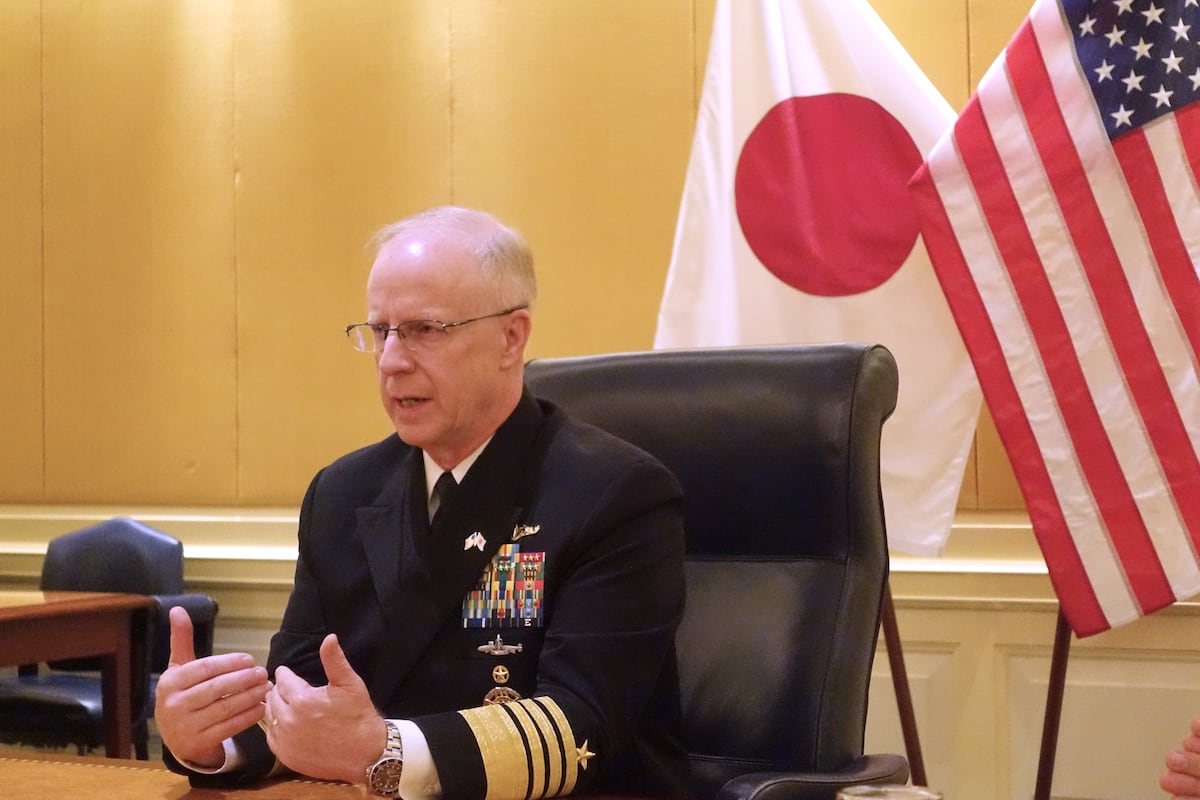
U.S. Navy Admiral Daryl Caudle is rolling out a 'Fighting Instructions' strategy to prioritize tailored, smaller force packages—littoral combat ships, helicopters, drones and Coast Guard coordination—over routinely deploying large carrier strike groups, citing inefficient use of carriers in missions like interdiction and merchant-vessel monitoring. The shift responds to recent carrier redeployments (e.g., USS Gerald R. Ford and USS Abraham Lincoln) that strained maintenance and deployment plans and could reallocate operational demand toward smaller platforms and unmanned systems. For investors, the change implies potential procurement and operational spending shifts that may modestly affect defense contractors tied to small combatants, maritime unmanned systems, helicopters and sustainment contracts, while reducing incremental strain-driven sustainment spending on supercarriers.
Market structure: A credible shift from carrier-centric deployments to tailored, smaller task groups favors makers of unmanned systems, sensors and ISR integration (Kratos KTOS, L3Harris LHX, Northrop NOC, Palantir PLTR, Maxar MAXR) and modular small-ship/robotics integrators, while reducing long-term incremental demand growth for new supercarriers (HII). Pricing power will tilt to niche avionics, autonomy software and satellite imagery providers; large shipbuilders keep high-margin backlog in the near term but face slower new-carrier orders over 2–5 years.
Risk assessment: Tail risks include a political reversal that forces high-profile carrier deployments (raising HII value) or tech setbacks in autonomous systems, each low probability but high impact. Immediate risk (days–weeks): deployment announcements driving short-term defense bid flows; short-term (3–12 months): DoD budget language in the next FY cycle; long-term (1–5 years): procurement reallocation toward unmanned systems. Hidden dependencies: congressional earmarks, unionized shipyard capacity and multi-year contract cadence constrain how quickly procurement mixes change.
Trade implications: Favor 12–24 month convex exposure to unmanned/ISR winners and defensive, limited short exposure to carrier builders. Use small core-equity positions (1–3% of portfolio) and time add-ons to DoD budget releases and major program awards. Options should buy time on small caps (12-month calls) and use puts on large shipbuilders if FY+ backlog growth <5% YoY.
Contrarian angles: Consensus may underweight political symbolism—carriers will still be used selectively, so a full short of HII is risky; the mispricing is in modest under-allocation to autonomy suppliers. Historical precedent (post-Cold War drawdowns) shows platforms remain politically sticky; therefore prioritize optionality, size positions small (1–3%) and increase only on concrete budget/program wins or >20% stock moves.
AI-powered research, real-time alerts, and portfolio analytics for institutional investors.
Request DemoOverall Sentiment
neutral
Sentiment Score
0.00
