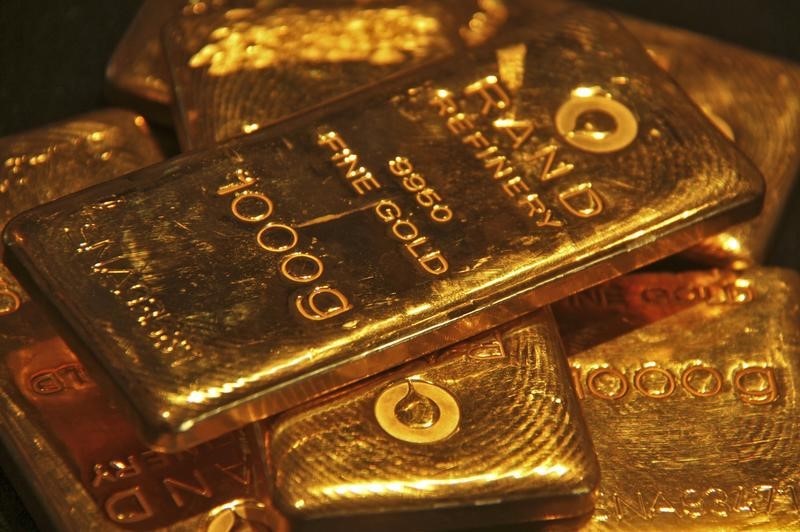
Trump suspended planned military strikes against Iran for two weeks, triggering a rapid market rally and de-escalation; oil prices plunged by more than 15% and the US Dollar Index fell nearly 1% in Asian trade. Precious metals rallied: spot gold +2.5% to $4,821.48/oz, US gold futures +2.5% to $4,849.25/oz, silver +4.7% to $76.44/oz, and platinum +2.5% to $2,030.60/oz. The ceasefire was brokered by Pakistan and is conditional on safe reopening of the Strait of Hormuz; markets are now focused on the US March CPI due Friday which could complicate Fed policy if headline inflation accelerates. Investors moved into risk assets amid the ceasefire, producing notable FX, oil, and precious metals volatility.
The market move is behaving like a realized risk-premium unwinding rather than a pure fundamentals re-pricing: a swift collapse in oil removed a near-term inflation shock, which mechanically reduced real-yield breakevens and freed duration-sensitive asset classes to re-rate higher over a multi-week window. That transmission favors long-duration tech and AI infrastructure capex (faster IRR amplification when yields fall) while creating a lagged profit impulse for consumption-exposed sectors (airlines, autos) as fuel cost savings flow through in 2–12 weeks. Second-order winners include businesses with high fixed-cost leverage to compute spending: lower rates both bolster the NPV of long-term AI projects and reduce corporate hurdle rates for server purchases, favoring vendors with turnkey, higher-margin appliance offerings versus pure software play. Commodity-market structure will adjust: the sudden move induces temporary dislocations in futures term structure (backwardation → steeper contango in some contracts) that create carry and roll opportunities for funds that can warehouse physical or lease storage. Key risks are front-loaded and asymmetric: the ceasefire is a binary geopolitical put with a short fuse — a reversal would re-tighten oil, spike breakevens, and invert the rate-duration relief within days. Equally important is the upcoming CPI print; a hotter-than-expected reading will likely re-price Fed path expectations and compress the recent risk-on rally in 24–72 hours. Positioning and options skew are crowded; realised vol will re-center toward the upside, so scalps should be paired with defined-cost hedges. Technically, expect a two-stage move: an immediate mechanical rally in risk assets on yield compression (days–weeks) followed by sectoral rotation as real activity reacts to lower energy costs (weeks–quarters). Trades should therefore be staged: capture the short-duration impulse while keeping cheap, asymmetric protection for the lengthy tail that a re-escalation or sticky CPI could produce.
AI-powered research, real-time alerts, and portfolio analytics for institutional investors.
Request DemoOverall Sentiment
moderately positive
Sentiment Score
0.45
Ticker Sentiment
