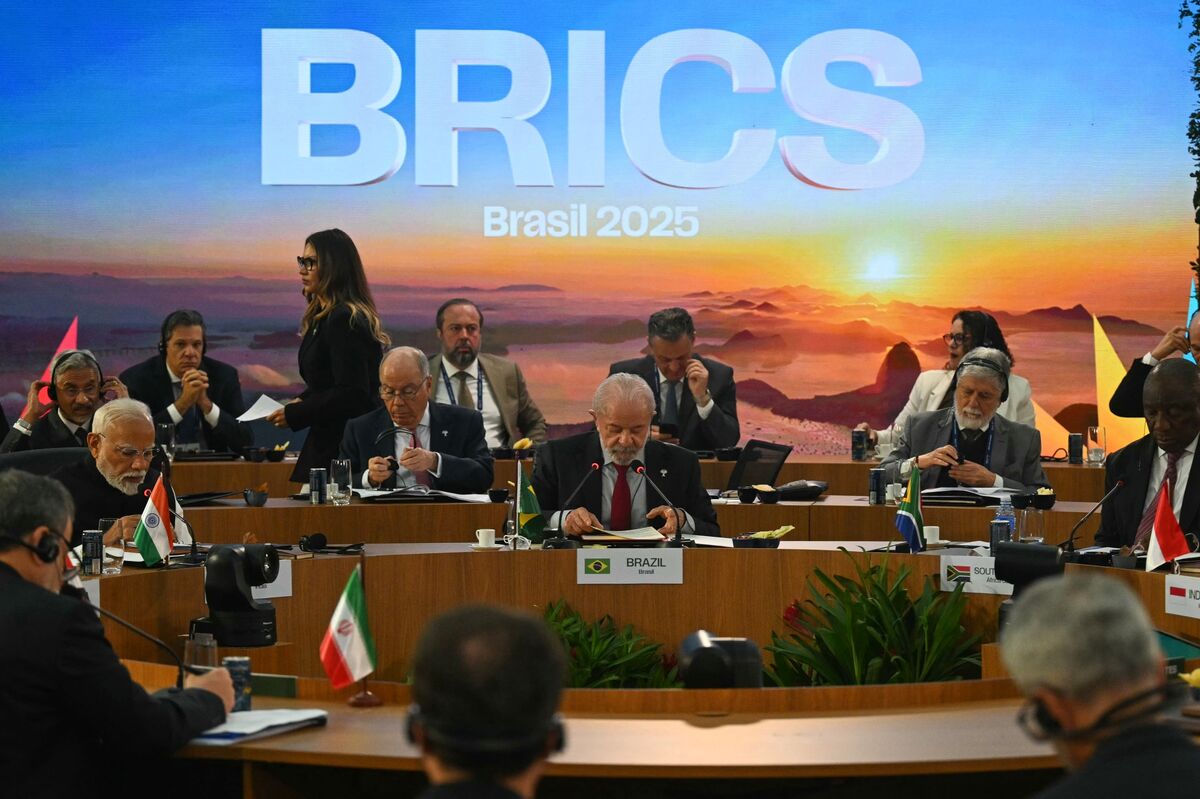
BRICS officials have adopted a wait-and-see approach following US President Donald Trump's threat of an additional 10% tariff on the ten-nation grouping for what he termed "anti-American" policies. The warning, issued during the BRICS summit in Rio de Janeiro, indicates potential escalation in trade tensions with emerging market economies, though BRICS members have so far shown reluctance to engage directly with the threat.
A recent threat by the US President to impose an additional 10% tariff on the ten-nation BRICS bloc introduces significant geopolitical uncertainty and downside risk for emerging market assets. The threat, citing unspecified "anti-American" policies, was issued during the BRICS summit in Rio de Janeiro, amplifying its diplomatic weight. The collective response from BRICS officials has been a cautious "wait-and-see" approach, indicating a period of high alert but avoiding immediate escalation. This reluctance to engage creates a tense standoff, with markets sensitive to any further developments. The situation directly impacts trade policy and supply chains linked to these major emerging economies, and the moderately negative sentiment coupled with a significant market impact score of 0.6 suggests that investors are pricing in a tangible risk of new trade barriers.
AI-powered research, real-time alerts, and portfolio analytics for institutional investors.
Request DemoOverall Sentiment
moderately negative
Sentiment Score
-0.50
