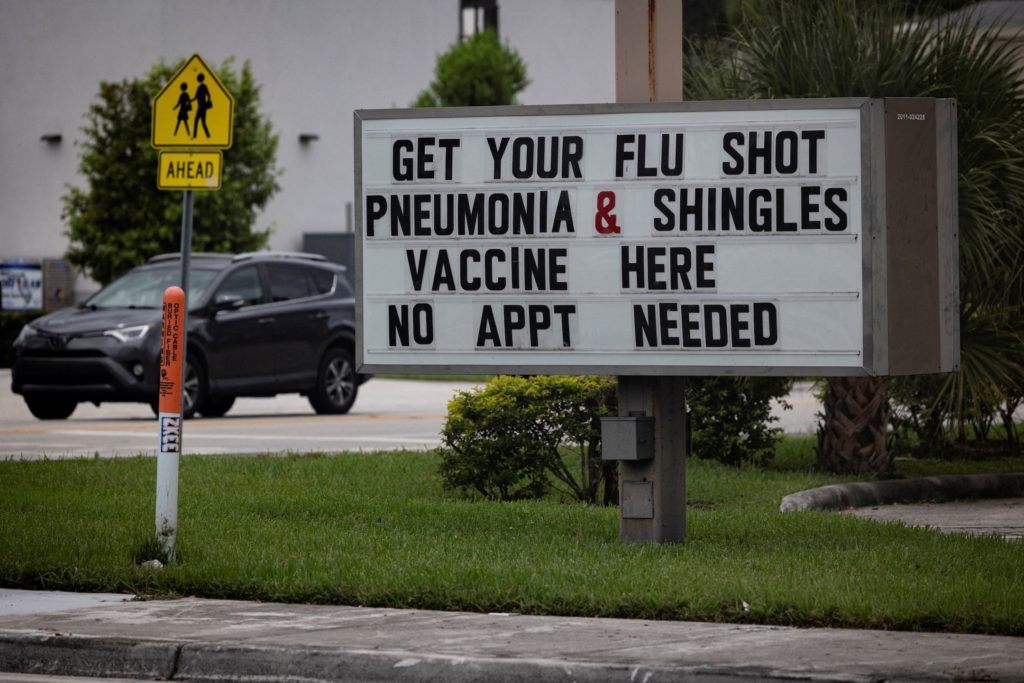
A rapidly spreading H3N2 subclade K variant is driving a sharp rise in U.S. influenza cases and hospitalizations, with flu activity now high or very high in 32 states, over seven million infections and more than 3,000 deaths this season. The variant carries mutations that reduce recognition by preexisting immunity and produce a mismatch with this season’s vaccine, contributing to low vaccination uptake (about 25% of adults, 17% of children as of November); authorities note vaccines still likely confer protection against severe disease, while children under 11 and adults over 65 remain at higher risk.
Market structure: A vaccine-mismatch H3N2 surge (subclade K) benefits retail vaccinators (CVS, WBA), point-of-care and lab diagnostics (QDEL, ABT), OTC cold/flu sellers (KVUE/Kenvue, PG) and hospital operators (HCA) via volume; incumbent seasonal vaccine manufacturers (SNY, GSK, CSL) get a mixed outcome — higher volume but muted price power because governments and insurers control procurement. Competitive dynamics shift modestly: short-term share goes to fast dispensers/testing suppliers; medium-term (6–24 months) threat to incumbents from mRNA entrants (MRNA) if regulators approve broader use. Supply/demand: expect 4–8 week spikes in test kits and antivirals with potential shortfalls if weekly case growth >20% in major states; vaccine dose supply constraints are unlikely immediately but administration capacity (staffing) is the choke point.
Risk assessment: Tail risks include an antigenic shift producing higher virulence (low probability, high impact) or political/regulatory backlash that depresses vaccine uptake; manufacturing disruptions at key suppliers could cause localized shortages. Time horizons: immediate (days–weeks) = testing and pharmacy revenue; short-term (weeks–months) = hospital utilization and insurer claims; long-term (6–24 months+) = technology adoption (mRNA flu). Hidden dependencies: staffing shortages, state procurement contracts, and CMS messaging that materially change uptake; catalysts include CDC strain briefs, FDA emergency authorizations, and weekly CDC positivity >20% as escalation triggers.
Trade implications: Direct plays — overweight retail vaccinators and diagnostics for 6–12 weeks while the wave peaks; tactical long in mRNA names for a 6–18 month asymmetric payoff. Pair trades and hedges — long CVS/WBA vs short or hedge insurer exposure (UNH) to capture margin compression on payers. Options — use short-dated call spreads on diagnostics (1–3 month, 10–20% OTM) and 2–3 month put spreads on large insurers to limit downside while keeping cost low.
Contrarian angles: Consensus underestimates near-term upside for pharmacies and diagnostics and overestimates short-term revenue upside for big incumbent vaccine makers because mismatch limits vaccine-driven sales this season. Historical parallel: severe H3N2 seasons (e.g., 2017–18) produced big short-term spikes in utilization and OTC sales but little durable reallocation of market share among incumbents. Unintended consequence: high caseloads could overwhelm administration capacity, capping vaccine-revenue upside — monitor state-level staffing/clinic-capacity reports and two consecutive weeks of declining CDC ILI to signal unwind.
AI-powered research, real-time alerts, and portfolio analytics for institutional investors.
Request DemoOverall Sentiment
neutral
Sentiment Score
-0.10
