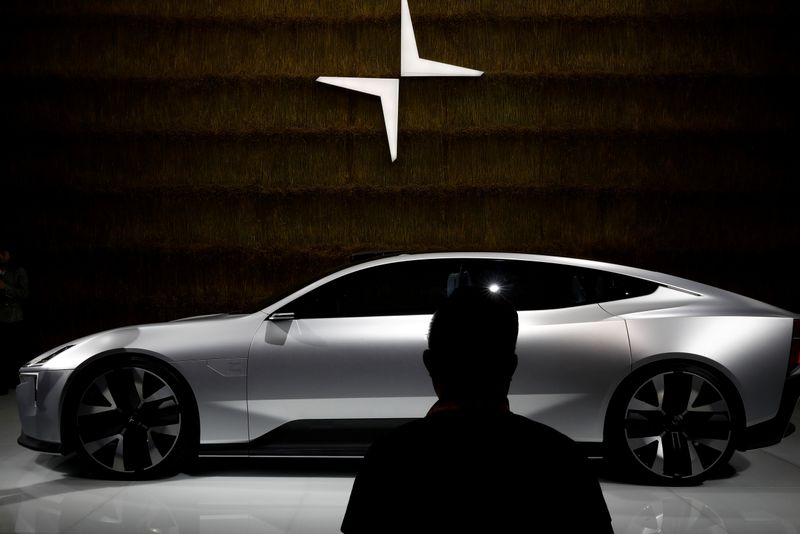
Polestar said rising fuel prices and Middle East supply disruptions are boosting EV demand as consumers shift from "range anxiety" to "pump anxiety." The company also reported a Q1 net loss of $383 million, wider than before, but volumes rose 7% year over year. Management flagged intense competition, EU and U.S. tariffs, and uncertainty around disappearing U.S. tax incentives.
The near-term winner is not EVs broadly, but lower-priced EVs and hybrid-adjacent OEMs with a credible total-cost-of-ownership pitch. Higher fuel prices can improve showroom conversion quickly, but the second-order effect is more important: consumers trading down from premium EVs or delaying ICE replacement may funnel demand toward value brands and used inventory, where financing terms and operating savings matter most. That creates a better setup for manufacturers with inventory discipline and less exposure to subsidy-driven demand. The bigger trade is on input costs and mix, not headline EV enthusiasm. If energy inflation persists for several weeks, it pressures discretionary auto demand, raises logistics costs, and compresses margins for OEMs already fighting price competition; that dynamic disproportionately hurts companies with weak pricing power and high fixed-cost leverage. In Europe, the scramble for affordable mobility could lift small EV volumes, but it also intensifies cannibalization across the sector, keeping aggregate profitability fragile despite unit growth. The catalyst path is asymmetric: fuel prices can re-rate consumer behavior within days, but any relief from de-escalation in the Middle East would unwind the demand tailwind just as fast. Over a 1–3 month horizon, the market may overprice a structural EV inflection when this is likely a temporary substitution effect unless gasoline remains elevated and incentives do not return. The consensus is missing that 'pump anxiety' is a cyclical marketing win, not yet evidence of durable EV share gains absent cheaper financing and stable policy support.
AI-powered research, real-time alerts, and portfolio analytics for institutional investors.
Overall Sentiment
mildly positive
Sentiment Score
0.15
