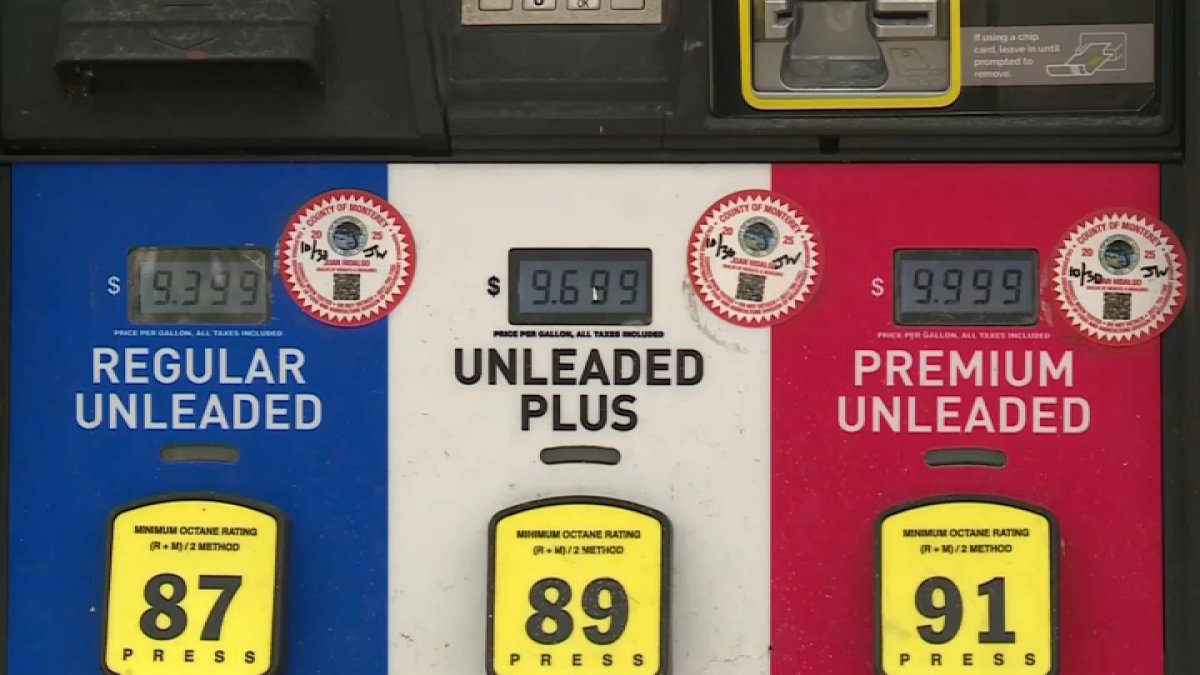
Gorda station listed regular unleaded at $9.40/gal, unleaded plus $9.70/gal and premium at $9.99/gal; owner says prices are high because the site runs on on‑site generators due to lack of grid power. By comparison, Bay Area averages were $5.92/gal in Oakland, $5.88 in San Jose and over $6.00 in San Francisco, so the Gorda pump is roughly a ~59% premium to Oakland's average. This is a localized, infrastructure-driven price anomaly with negligible impact on national energy markets but underscores elevated regional retail fuel costs that can pressure consumer transport spending and tourism in remote California areas.
The extreme retail prints on the Central Coast are a signal of idiosyncratic supply-and-cost frictions rather than a broad structural move in crude markets — remote sites running on onsite generation create a vertically concentrated cost stack (transport + on-site fuel for generators + lower throughput) that can support wide retail margins while volumes compress. In the short run (days–weeks) these pockets create convexity: a small disruption to delivery or local demand pushes prices sharply higher because there is no nearby arbitrage; that convexity decays quickly once mobile refueling, tourist routing or temporary price policing occurs.
Over the seasonal (1–3 month) horizon, high localized retail prices will re-route consumer behavior: pre-trip refueling at hubs, a small but measurable shift in trip frequency among discretionary travelers, and increased uptake of alternative refueling (fuel cans, mobile delivery). Use a gasoline price elasticity of demand ~ -0.01 to -0.03 in the short run to model volume impacts — every 10% local price jump translates into only ~0.1–0.3% drop in statewide volumes but a much larger drop for tourism-dependent micro-markets.
Structurally (12–36 months), repeated occurrences of micro-market pain accelerate two investment themes: (1) higher capex toward backup power and mobile fuel logistics (benefitting genset makers and fuel-transport providers), and (2) incremental justification for fast-charging corridors in tourism/remote routes which improves the long-term ROI on EV charging infrastructure in high-margin leisure corridors. The primary reversal risks are simple: restored grid power, temporary regulatory intervention or a short-term increase in refinery/regional gasoline runs — any of which can unwind local spreads within weeks.
AI-powered research, real-time alerts, and portfolio analytics for institutional investors.
Request DemoOverall Sentiment
neutral
Sentiment Score
0.00
