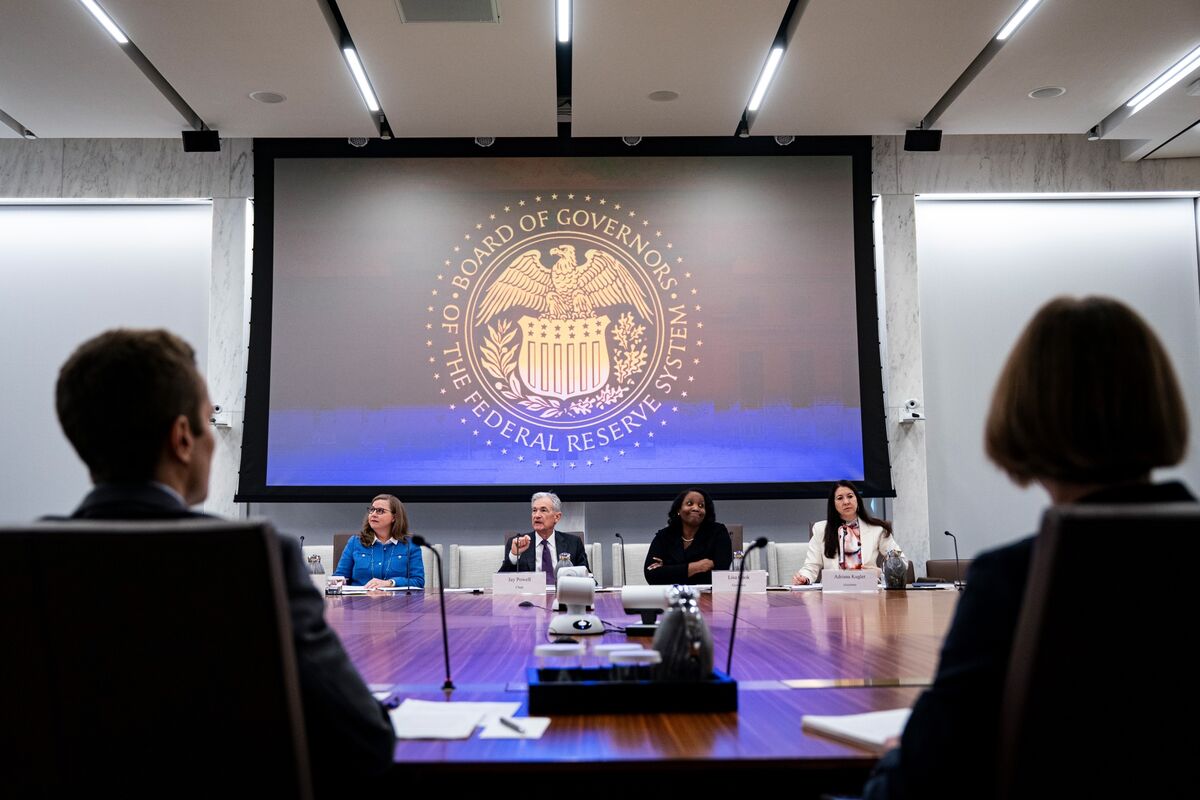
The Trump administration is reportedly exploring options to exert greater influence over the Federal Reserve's 12 regional banks, specifically targeting the five regional bank presidents who sit on the Federal Open Market Committee (FOMC) and are not subject to White House nomination or Senate confirmation. This move, which comes as President Trump seeks to secure a majority on the Board of Governors, signals an attempt to extend political sway over monetary policy decisions beyond traditional appointments.
The Trump administration is reportedly exploring mechanisms to exert greater influence over the Federal Reserve's 12 regional banks, a move that would represent a significant challenge to the central bank's traditional independence. This strategy targets the five regional bank presidents who serve as voting members on the Federal Open Market Committee (FOMC) but are not subject to presidential nomination or Senate confirmation. This development, occurring alongside efforts to secure a majority on the Fed's Board of Governors, suggests a concerted effort to extend political control directly over monetary policy. The market's reaction, reflected in a moderately negative sentiment score (-0.5) and a high impact rating (0.7), highlights investor concern. Any erosion of Fed autonomy could introduce substantial uncertainty into the outlook for interest rates and price stability, potentially leading to increased market volatility and a reassessment of risk premiums for U.S. assets.
AI-powered research, real-time alerts, and portfolio analytics for institutional investors.
Request DemoOverall Sentiment
moderately negative
Sentiment Score
-0.50
