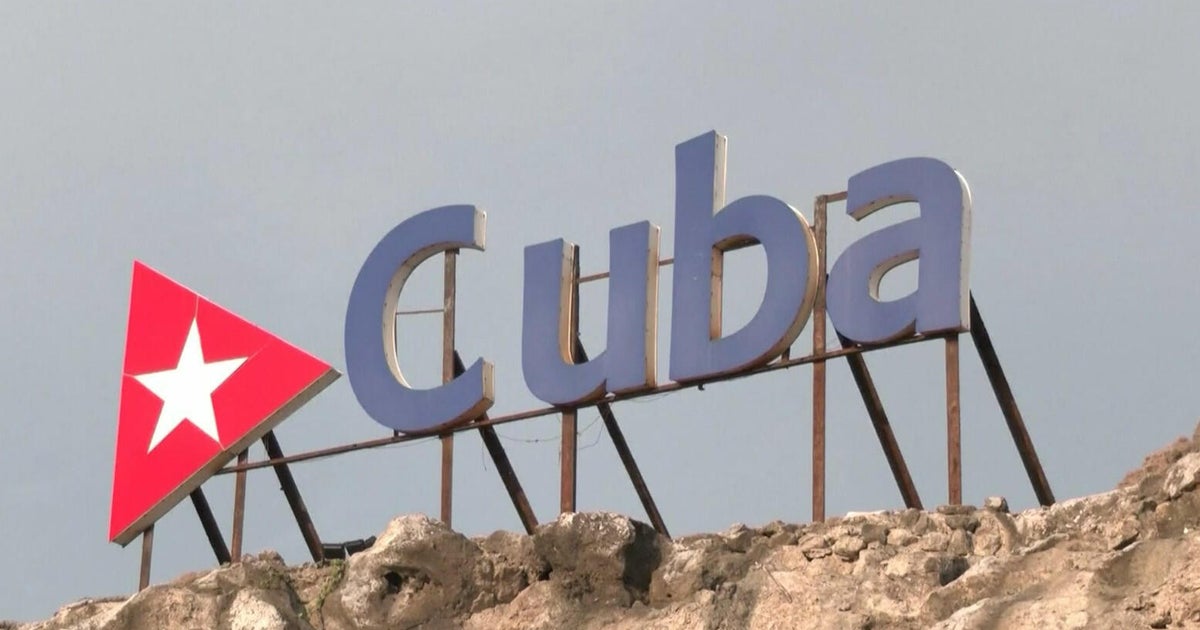
Cuba’s reported acquisition of 300 military drones and discussion of possible targets, including Guantanamo Bay and potentially Key West, is raising fresh national security concerns in South Florida. While there is no indication of an immediate threat and Cuba denied aggressive intent, the report has prompted swift reaction from Florida lawmakers and attention from U.S. intelligence officials. The issue is geopolitical rather than market-specific, but it could influence defense and regional security sentiment.
This is less about an imminent kinetic event and more about a fresh premium being assigned to Florida-facing geopolitical risk. The market impact is likely to show up first in asymmetric pockets: contractors with Caribbean surveillance, border security, counter-drone, and base-hardening exposure could see incremental budget urgency even if the headline threat never materializes. The second-order effect is that any perception of low-cost drone proliferation near U.S. territory supports a broader re-rating of low-end air defense and electronic warfare names, where procurement cycles can accelerate on fear long before formal appropriations catch up.
The key catalyst path is political, not military: hearings, rhetoric, and agency visits can translate into faster pilot purchases, temporary funding reprogramming, and state-level spending around South Florida infrastructure security over the next 1-3 months. If the story persists, expect the beneficiaries to be firms selling deployable detection, jamming, and perimeter systems rather than traditional platform primes. That favors revenue acceleration for smaller-cap defense names with high sensitivity to one-off homeland-security orders, while the large primes benefit only marginally unless the issue becomes a broader Caribbean posture reset.
The contrarian read is that the headline may be over-scaring local sentiment while still underpricing policy follow-through. A weak denial is often enough to keep markets calm, but that also leaves room for a gradual build in procurement that won't be visible until earnings guidance shifts. The real risk is not an attack; it's bureaucratic budget drift toward persistent surveillance and counter-UAS spend, which tends to be sticky once it starts and can last 12-24 months.
AI-powered research, real-time alerts, and portfolio analytics for institutional investors.
Request DemoOverall Sentiment
mildly negative
Sentiment Score
-0.35
Ticker Sentiment
