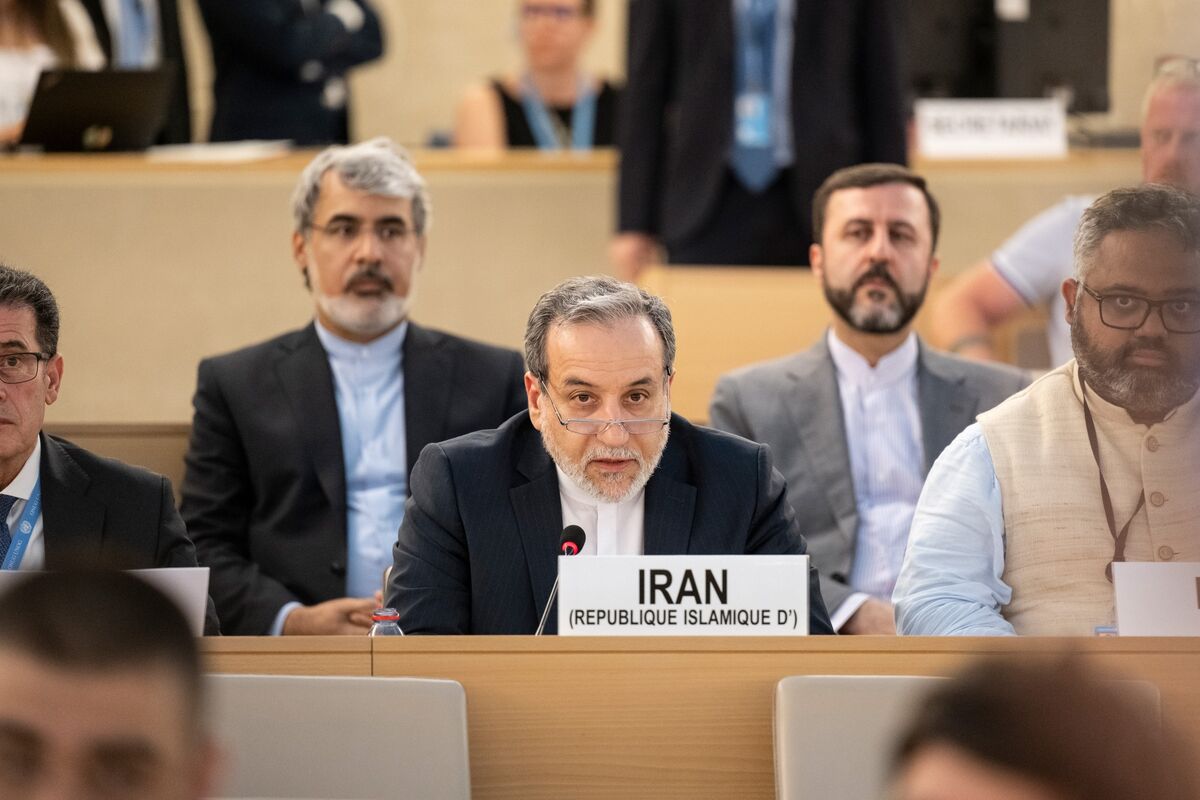
Iran's foreign minister announced the country is considering multiple U.S. offers to restart nuclear talks, but stressed Tehran is in no hurry and is carefully evaluating the timing, location, and structure of potential negotiations. This measured response from Iran suggests a deliberate approach to re-engagement, indicating that any diplomatic breakthroughs may be protracted despite U.S. efforts to revive discussions, with potential implications for geopolitical risk and energy markets.
Iran has publicly acknowledged receiving and considering multiple U.S. offers to restart nuclear negotiations, signaling a potential but highly uncertain path toward diplomatic re-engagement. The statement from Iran's foreign minister, emphasizing that the country is "in no hurry" and is carefully evaluating the "timing, location, and structure" of any talks, suggests a deliberate and cautious approach. This contrasts with the U.S.'s perceived "insistence" on returning to the negotiating table, highlighting a potential divergence in urgency and strategic positioning. The situation introduces a significant element of uncertainty into the geopolitical landscape, with direct implications for energy markets. A successful negotiation could eventually reintroduce Iranian oil to the global market, creating potential downward pressure on crude prices, while a failure would sustain or heighten existing geopolitical risk premiums. The market's 'mixed' sentiment and moderate impact score reflect this balance of a potential, yet protracted and fragile, diplomatic process.
AI-powered research, real-time alerts, and portfolio analytics for institutional investors.
Request DemoOverall Sentiment
mixed
Sentiment Score
0.00
