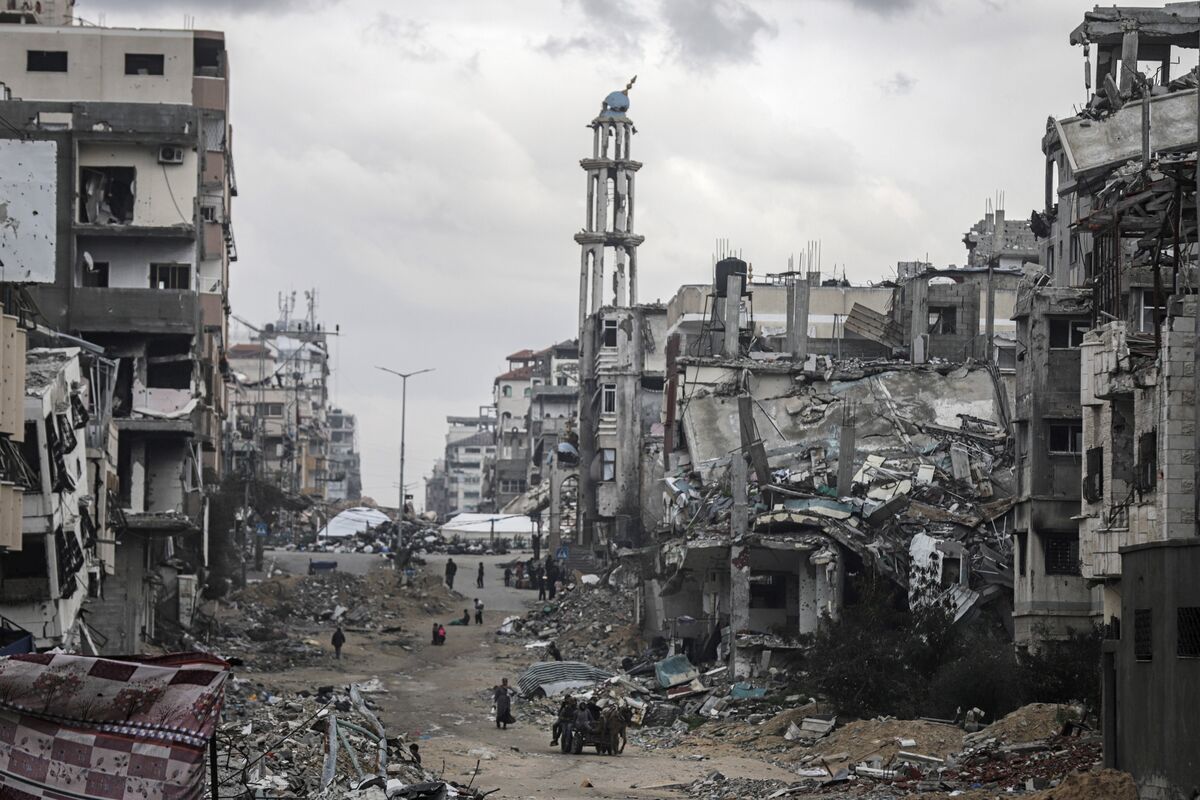
Israeli Prime Minister Benjamin Netanyahu defended his security cabinet-approved plan for a 'final sweep' against Hamas in Gaza, despite intense domestic and international condemnation. Netanyahu stated the operation, which he expects to be 'fairly quick' without a specific timeline, is the optimal path to swiftly end the war and recover hostages, aiming to avoid a war of attrition. This signals continued military action and elevated geopolitical risk in the Middle East.
Israeli Prime Minister Benjamin Netanyahu's reaffirmation of a plan for a 'final sweep' against Hamas in Gaza signals a continued period of heightened geopolitical risk in the Middle East. Despite facing intense domestic and international condemnation, the security cabinet-approved operation is being framed as the most viable path to a swift conclusion of the war and hostage recovery. The lack of a specific timeline, coupled with the Prime Minister's characterization of the operation as 'fairly quick,' introduces significant uncertainty for markets. The defensive tone and moderately negative sentiment (-0.35) associated with this announcement underscore the political and operational risks involved. This development reinforces the 'Geopolitics & War' theme as a primary driver of regional instability, suggesting that investors should anticipate sustained volatility without a clear de-escalation path in the near term.
AI-powered research, real-time alerts, and portfolio analytics for institutional investors.
Request DemoOverall Sentiment
moderately negative
Sentiment Score
-0.35
