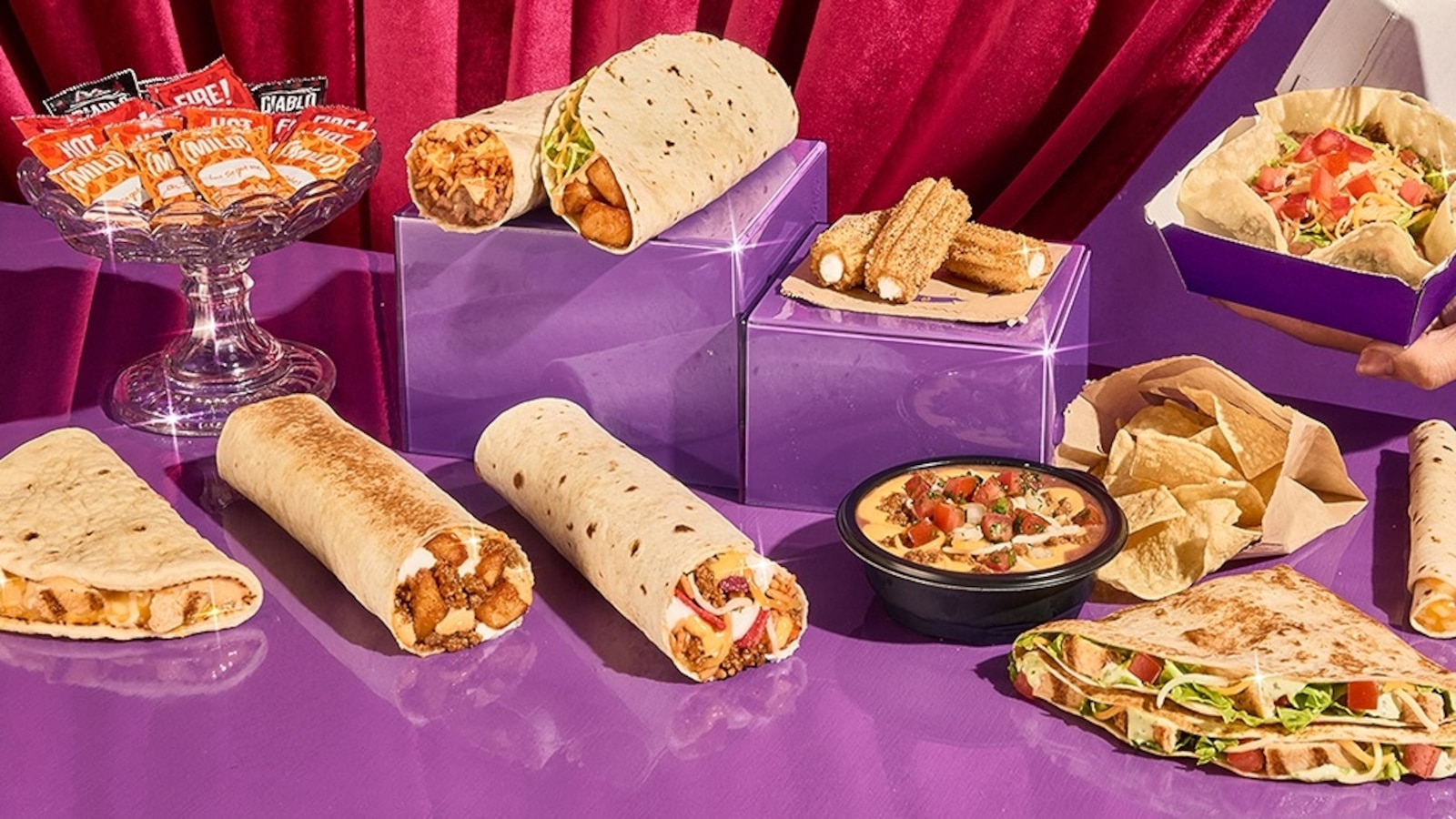
Taco Bell will launch a new 'Luxe Value Menu' on Jan. 22 featuring 10 items all priced under $3 — five new creations (including Salted Caramel Churros, Chicken Stacker, Mini Taco Salad, Beefy Potato Loaded Griller and Chips with Nacho Supreme Dip) and five customer-favorite add-ons — with exclusive early access for Rewards members on Jan. 16. Management presents the rollout as a strategic affordability play to capture cost-conscious consumers and increase add-on transactions, noting most value-menu purchases are incremental. The product innovation (including the return of the Loaded Griller and chicken-focused items) signals a response to demand trends and could modestly influence same-store sales mix and average ticket if widely adopted, but is unlikely to be materially market-moving.
Market structure: Taco Bell’s Luxe Value Menu (Yum! Brands – YUM) is a direct positive for limited-service value-segment share vs. higher-priced fast-casual names (Chipotle CMG) and full-price competitors (Starbucks SBUX). Expect modest volume-driven AUV lift of 1–3% in the near term (0–3 months) from add-on penetration; gross-margin risk is contained if add-ons carry >40% incremental margin. Commodity demand impact (chicken, potatoes) is measurable but small—could lift supplier volumes by low single digits annually.
Risk assessment: Tail risks include franchisee pushback (profit margin dilution), a food-safety recall, or heightened wage inflation that could erase the promotional benefit—each could knock 5–15% off implied free-cash-flow for the quarter. Immediate risks (days–weeks): promotional cannibalization and loyalty-member early access uptake; short-term (1–3 months): SSS and margin print; long-term (2–4 quarters): brand elasticity and rotation of menu innovations. Hidden dependency: success hinges on chip/chicken supply chains and franchise economics, not just marketing.
Trade implications: Primary direct play is YUM—novel value menu drives traffic and loyalty monetization; suppliers TSN (Tyson) and LW (Lamb Weston) get marginal upside. Use option structures to time before Jan 22 launch and the Jan 16 rewards preview: buy defined-risk call spreads on YUM to capture positive SSS surprise while limiting premium decay. Rotate modest exposure from high-valuation premium names (CMG, SBUX) into select value QSR names.
Contrarian angles: Consensus will treat this as a benign traffic booster; the miss is underestimating franchise economics—if add-ons simply replace higher-margin items, the stock reaction may be muted or negative. Historical parallels: 2010s value-menu waves produced temporary traffic spikes but compressed system-wide margins for chains with weak franchise economics. Unintended consequence: over-rotation to value could force broader promotional arms race, pressuring smaller-cap QSRs and raising commodity volatility.
AI-powered research, real-time alerts, and portfolio analytics for institutional investors.
Request DemoOverall Sentiment
mildly positive
Sentiment Score
0.35
