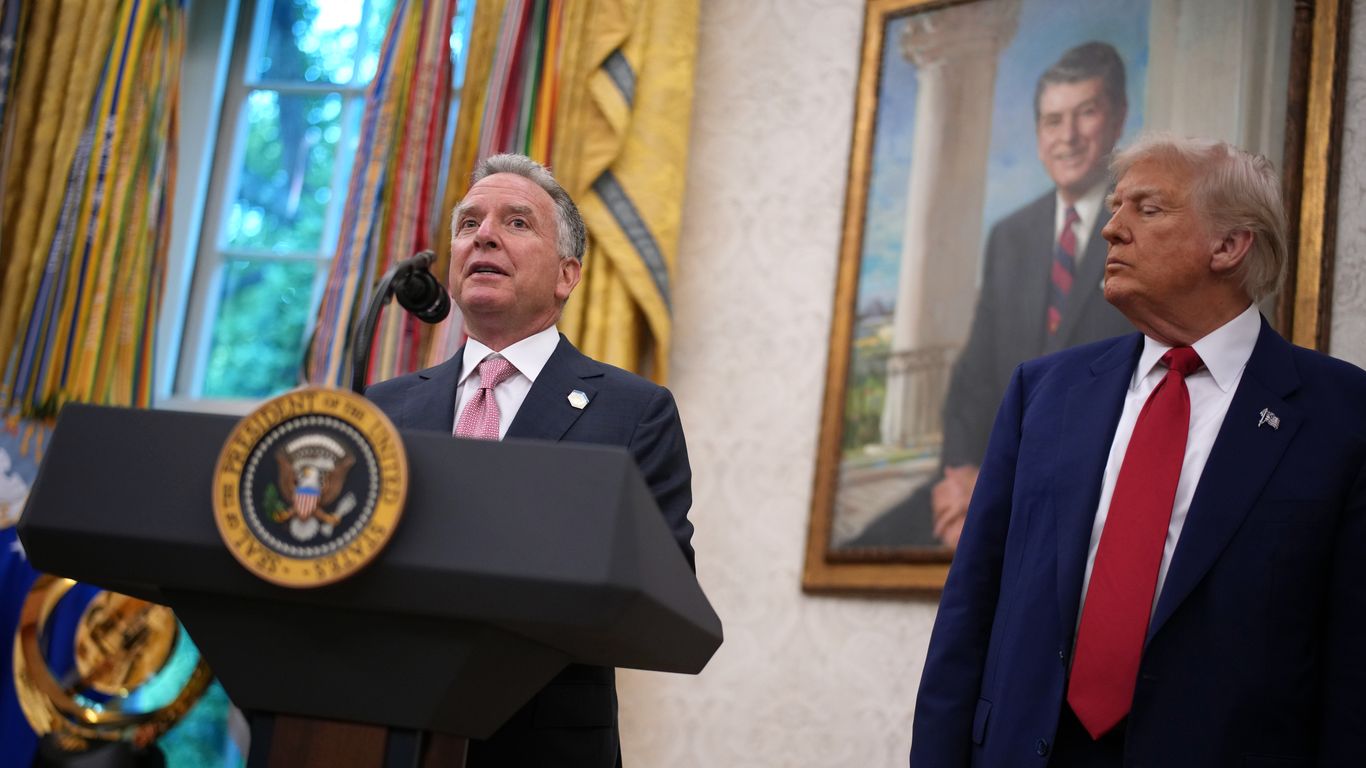
Hamas rejected a U.S. proposal for a 60-day ceasefire and hostage deal, demanding significant changes including a U.S. guarantee of a permanent ceasefire and a full IDF withdrawal to pre-March positions. The proposal, which involved phased hostage releases in exchange for Palestinian prisoners, was deemed "totally unacceptable" by White House envoy Steve Witkoff, who stated that Hamas' response "only takes us backward." The U.S., Egypt, and Qatar are reportedly pressing Hamas to revise its response and accept the original proposal as a basis for negotiations, but the situation remains deadlocked.
The recent rejection by Hamas of a U.S.-brokered 60-day ceasefire and hostage deal proposal has resulted in a significant setback, pushing negotiations into a renewed deadlock. White House envoy Steve Witkoff characterized Hamas's response, which included numerous changes to the U.S. offer, as "totally unacceptable" and detrimental to progress. Key demands from Hamas include a U.S. guarantee for a permanent ceasefire, a full withdrawal of Israeli Defense Forces (IDF) to positions held before the previous ceasefire collapsed in March, and a revised schedule for hostage releases into six tranches over the 60-day period. This contrasts with the U.S. proposal—reportedly accepted by Israel—which outlined a two-stage release of 10 live and 18 deceased hostages in exchange for 125 Palestinian prisoners serving life sentences, 1,100 Palestinians detained after October 7, 2023, and the bodies of 180 Palestinians. The core disagreement appears to be Hamas's insistence on an explicit U.S. guarantee that negotiations will culminate in a permanent ceasefire, with an automatic extension of the temporary truce if no such agreement is reached within 60 days, a commitment beyond the U.S. offer to guarantee "serious negotiations" towards that end. The situation carries a moderately negative sentiment (-0.5) reflecting the pessimistic outlook, though the associated market impact score is currently assessed as relatively low (0.35). Diplomatic efforts continue, with the U.S., Egypt, and Qatar urging Hamas to accept the original U.S. proposal as a foundation for further talks.
AI-powered research, real-time alerts, and portfolio analytics for institutional investors.
Request DemoOverall Sentiment
moderately negative
Sentiment Score
-0.50
