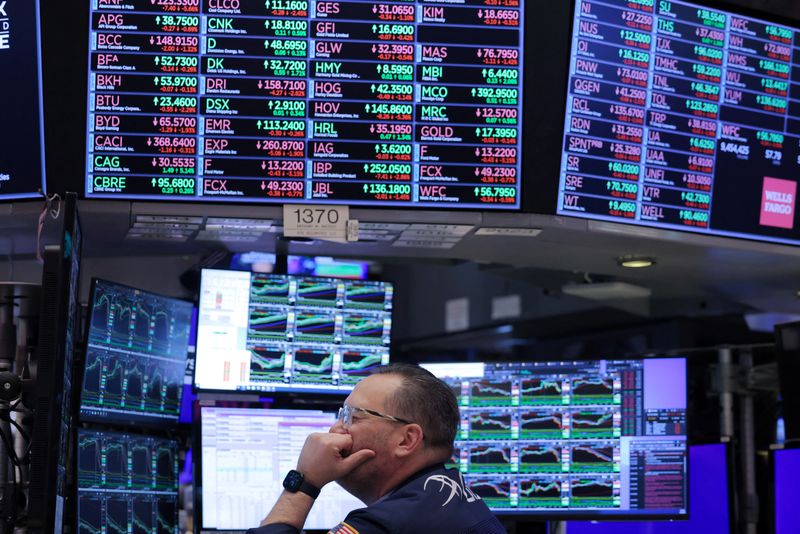
U.S. futures were slightly lower after a week of gains as investors priced in a roughly 85% chance of a quarter-point Federal Reserve rate cut in December, up sharply from the mid-40s a week earlier, driven by dovish comments from Fed officials. Benchmark futures: S&P 500 futures -0.3 to 6,838.25, Nasdaq 100 futures -0.4 to 25,380.25, Dow futures -0.2 to 47,644.0; for the week the S&P rose 3.7%, the Nasdaq nearly 5% and the Dow >3%. Markets are also watching potential leadership change at the Fed after President Trump said he has decided on a replacement for Jerome Powell, with names like Kevin Hassett, Kevin Warsh and Christopher Waller reported as contenders—an appointment that could materially shift expected policy paths and risk appetites.
Market structure: A dovish pivot priced for a Dec 25bp Fed cut (~85% odds) disproportionately benefits rate-sensitive growth and AI-capex names — expect incremental demand and pricing power for AI server vendors (e.g., SMCI) and ad/engagement platforms (e.g., APP) over 1–12 months. Losers include net-interest-margin-sensitive regional banks and short-duration cash instruments as front-end yields fall. Supply/demand: with GPU/server lead times already tight, supplier pricing power should persist near-term; semiconductor component tightness could sustain gross margins for specialized OEMs.
Risk assessment: Tail risks include no cut or a hawkish Fed-chair pick within 2–6 weeks (market repricing pain: S&P -3% to -6% within days), accelerated AI regulation, or earnings misses from high-multiple names. Short-term (days–weeks) volatility will cluster around Fed chair announcement and Nov–Dec CPI/payrolls; medium (3–6 months) depends on confirmed Fed easing and corporate capex cadence; long-term hinges on AI monetization translating to durable revenue. Hidden dependency: equity upside requires CAPEX conversion into orders; weak consumer retail could blunt ad-driven revenue for APP.
Trade implications: Position for a dovish tilt but hedge event risk. Favor selective longs in SMCI and APP, overweight XLK/XLY, underweight KRE; implement protective SPX put spreads around Fed-chair/data events and size duration (TLT) exposure to profit from further yield declines. Use defined-risk options to cap downside across the portfolio.
Contrarian angles: The market may be over-discounting an “easy” path to sustained multiple expansion — a dovish shock followed by stagnant growth could compress cyclicals and banks and create a rotation into quality value later. Historical parallels (2019 pivot) show an initial tech surge then broadening only if earnings follow; if earnings disappoint, expect a 15–25% reset in mid/high-growth names. Size positions with tight stops and event contingent hedges.
AI-powered research, real-time alerts, and portfolio analytics for institutional investors.
Request DemoOverall Sentiment
mildly positive
Sentiment Score
0.30
Ticker Sentiment
