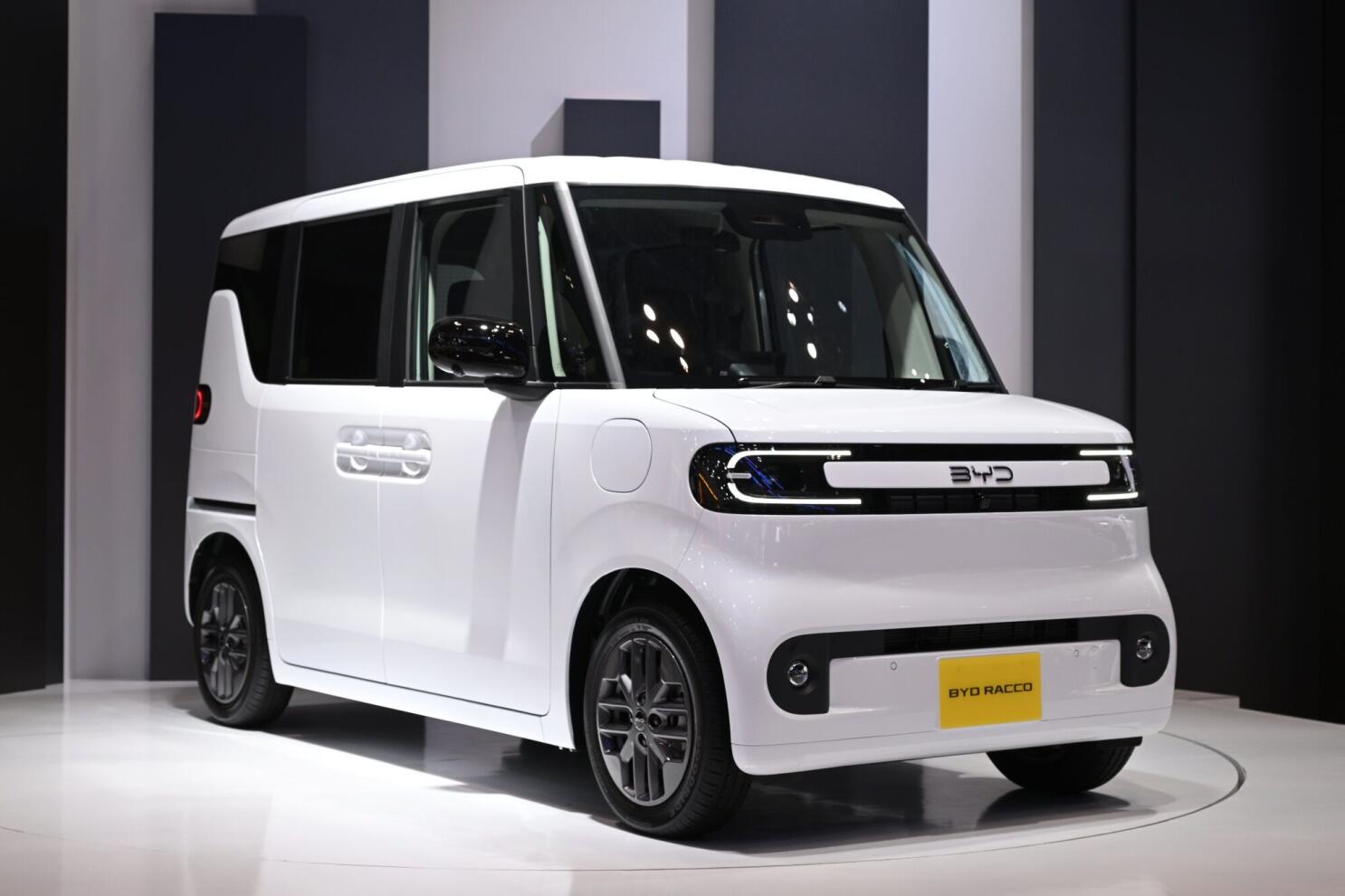
President Trump has cleared the regulatory path for domestic manufacturing of ultra‑compact “tiny cars” (Kei‑style), permitting gasoline, electric and hybrid powertrains and urging immediate production. Framed as a move to deliver low‑cost urban transport and to localize production against low‑cost Chinese EV competition, the policy shift could prompt investment in small‑car platforms, parts suppliers and urban mobility offerings—benefiting select automakers and suppliers—though consumer adoption and the size of the market opportunity remain uncertain.
Winners are Tier-1 suppliers and contract manufacturers with modular EV platforms and US footprints (APTV, MGA, BWA) and downstream urban mobility services; losers include refiners and OEMs overly reliant on high-ASP trucks (F, STLA) as microcars compress average selling prices by an estimated 100–300bps over 12–36 months. Competitive dynamics favor low-cost, high-volume producers and battery/motor specialists; market share can shift 3–8% within three years toward new small-EV entrants if unit economics hit <$10k manufacturing cost per vehicle with scale.
Immediate effects (days) will be sentiment-driven equity re-ratings; short-term (weeks–months) expect capex announcements and supplier order reallocation; long-term (1–3 years) structural demand shift toward smaller vehicles contingent on charging/maintenance ecosystems. Tail risks include federal legal challenges, safety-liability spikes, or raw-material bottlenecks; a single large safety recall could wipe out 20–40% market cap of a startup within weeks.
Trade implications: favor suppliers of e-drivetrains, electronics and stamping with US capacity and near-term order visibility; underweight refiners and truck-centric OEM margins. Watch catalysts—federal incentives >$2k/vehicle, state-level procurement deals, or a major OEM committing >$1bn US microcar factory within 90 days—which would accelerate adoption materially.
Contrarian view: consensus overestimates rapid consumer switch in the US—realistic penetration likely 5–10% of US light-vehicle fleet by 2028 absent >$3k subsidies. Mispricings will appear in small EV startups (high volatility) vs. disciplined suppliers (steady cash flow); unintended outcomes include municipal regulation friction and increased litigation exposure that could raise SG&A for entrants by 200–400bps.
AI-powered research, real-time alerts, and portfolio analytics for institutional investors.
Request DemoOverall Sentiment
mildly positive
Sentiment Score
0.30
