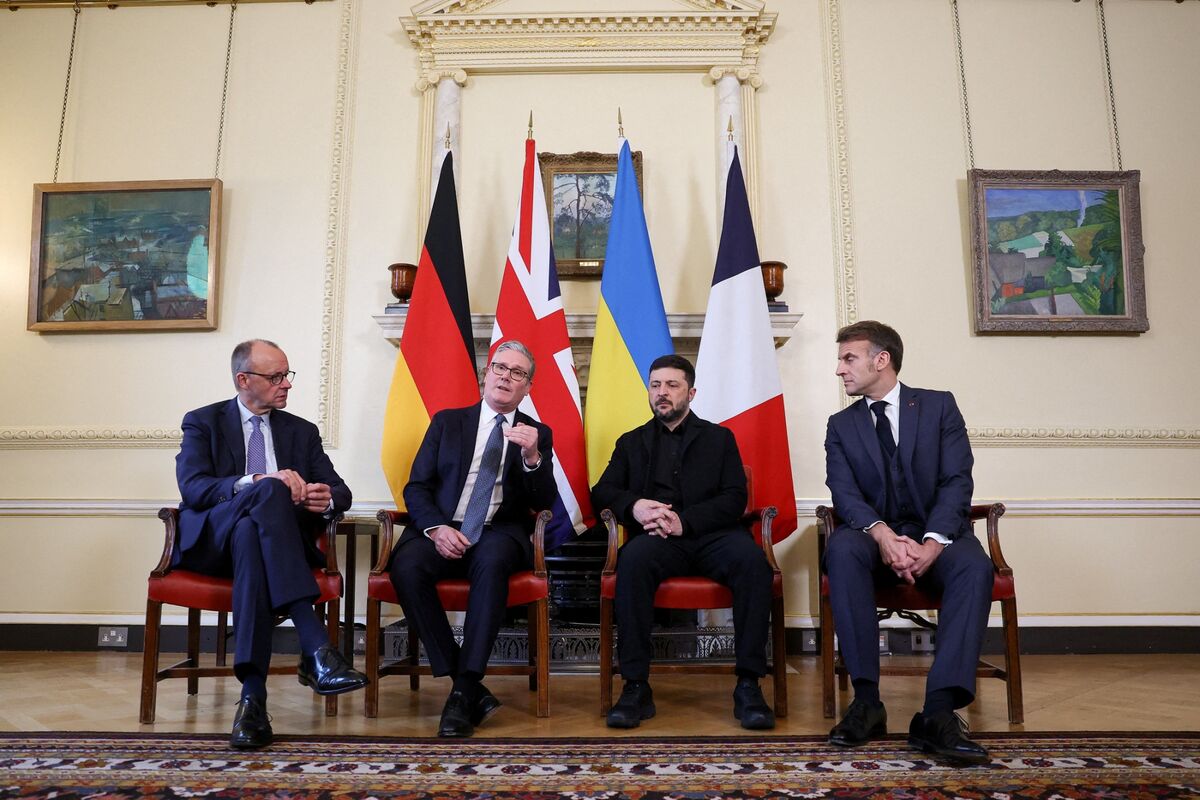
Ukrainian President Volodymyr Zelenskiy said US-brokered peace talks remain deadlocked over territorial control of the Donbas (Donetsk and Luhansk) and other sensitive issues such as security guarantees, with negotiators not yet reaching agreement. President Trump voiced disappointment in Kyiv’s handling of the proposal; the continued impasse raises geopolitical uncertainty that could sustain risk premia on regional assets and keep attention on energy and defense-related exposures.
Market structure: A stalled US-brokered Ukraine accord keeps defense, energy and food-export sectors as direct beneficiaries while regional EM assets, Ukrainian sovereigns and Europe-exposed banks remain clear losers. Expect defense contractors (LMT, RTX, GD) to see asymmetric upside from incremental US/EU aid: a realistic revenue re-rate of +5–15% over 6–12 months if talks collapse, while commodity price sensitivity (Brent, wheat) implies 5–20% price swings over weeks depending on escalation.
Risk assessment: Tail risks include a rapid ground offensive or expanded sanctions that could spike European gas prices >30% in 30 days or force trade blacklists that disrupt supply chains; NATO escalation remains low-probability but high-impact. Time horizons: immediate (days) = elevated FX/volatility spikes and widening CDS; short-term (weeks–months) = defense/energy outperformance; long-term (quarters) = structural capex and supply-chain reshoring. Hidden dependencies: US political timing and conditionality of aid, insurance/transport costs, and commodity export routes.
Trade implications: Construct defined‑risk, short-duration exposures: favor 3–9 month longs in top-tier defense (LMT, RTX), tactical long commodity/energy exposure on supply disruptions (XOM/CVX or Brent futures), and hedges via gold (GLD) and long-duration Treasuries (TLT). Use relative-value trades to capture flight-to-quality: long defense vs short EM (EEM); express event hedges with short-dated SPX put spreads if VIX breaches 25.
Contrarian angles: The market may be overpaying pure-defense rallies; cybersecurity (FTNT, PANW) and maritime insurers (PFG?) are underappreciated beneficiaries with lower political execution risk. Historical parallel: 2014 Crimea moved commodities/defense sharply but normalized within 12–24 months — expect mean reversion if talks progress; plan for rapid de-risking on positive negotiation headlines within 48–72 hours.
AI-powered research, real-time alerts, and portfolio analytics for institutional investors.
Request DemoOverall Sentiment
moderately negative
Sentiment Score
-0.35
