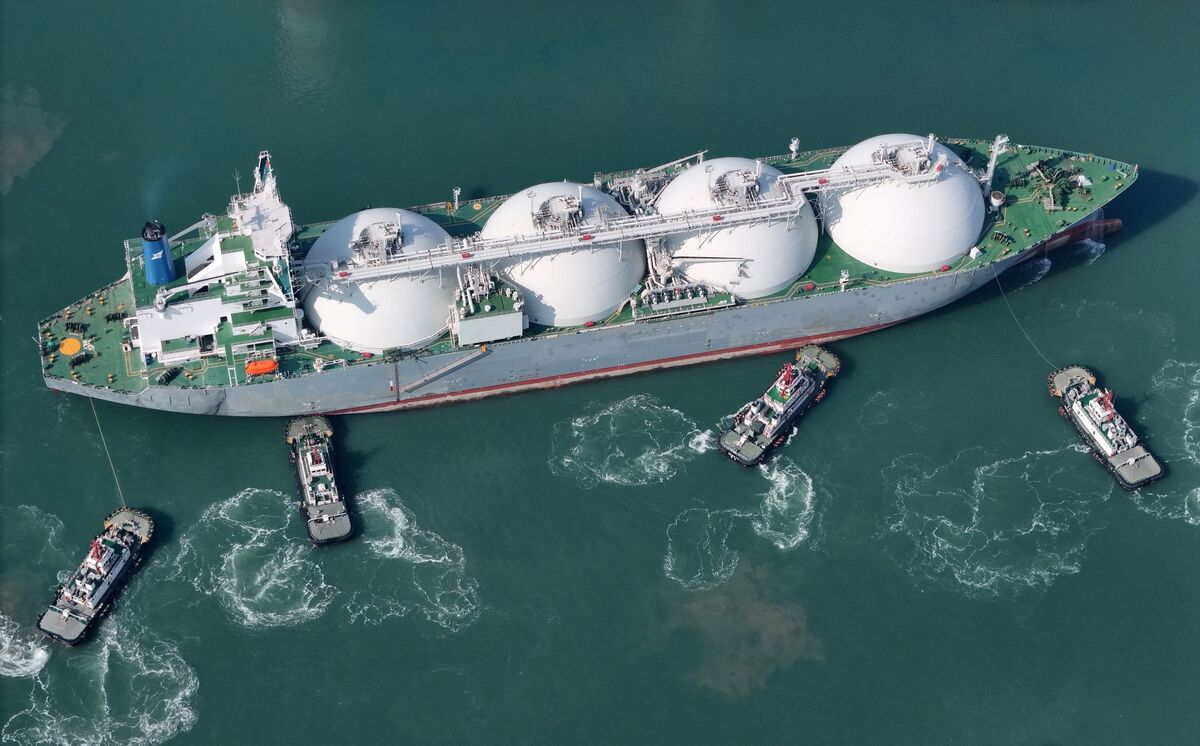
BloombergNEF forecasts Chinese LNG imports will fall about 5% to roughly 73 million tonnes this year as weak industrial demand and persistently high global prices curb purchases, potentially costing China its status as the world’s largest LNG buyer to Japan. BNEF analysts warn the outlook into 2026 remains weak, with overall gas demand set to slump and appear to have decoupled from GDP growth, signaling downside pressure for global LNG markets and exporters reliant on Chinese volumes.
Market structure: Lower Chinese LNG imports (‑~5% y/y to ~73 Mt) shifts pricing power toward long‑term contract holders and buyers in Japan; spot‑exposed exporters and FSRU/shipping owners (high opex/leverage) are most at risk. Expect downward pressure on JKM/Asian spot over the next 3–12 months (mechanically compressing EBITDA for spot sellers by 10–30% vs. last year) and margin relief for downstream gas users and power generators.
Risk assessment: Key tail risks are a severe winter/La Niña spike (tighten supply within weeks), rapid Chinese fiscal/industrial stimulus restoring demand (catalyst within 1–6 months), or export disruption from major suppliers (operational, months). Hidden dependencies include China’s fuel‑switch dynamics (coal ↔ gas) and the proportion of China’s imports under long‑term vs spot contracts — these determine how quickly spot weakness hits producer revenues.
Trade implications: Short duration/90‑day trades on spot‑exposed LNG equities/shipping (GLNG, HLNG) and select Australian exporters (WDS.AX) are highest conviction; rotate capital into duration (US 5–10y Treasury ETFs) and regulated utilities (DUK, NEE) which benefit from lower fuel costs. Use options to cap downside and monetize volatility — buy puts on spot names and buy calls or outright long Treasuries if JKM/China import prints weaken further.
Contrarian angles: Consensus assumes persistent weak demand; monitor for overstated downside — if developers halt new FIDs, multi‑year tightness could emerge and high‑quality, contract‑backed producers (Cheniere LNG: LNG) become attractive. Maintain small asymmetric long convexity exposures (long-dated calls on top‑tier producers) to capture a policy/supply re‑tightening within 6–18 months.
AI-powered research, real-time alerts, and portfolio analytics for institutional investors.
Request DemoOverall Sentiment
moderately negative
Sentiment Score
-0.45
