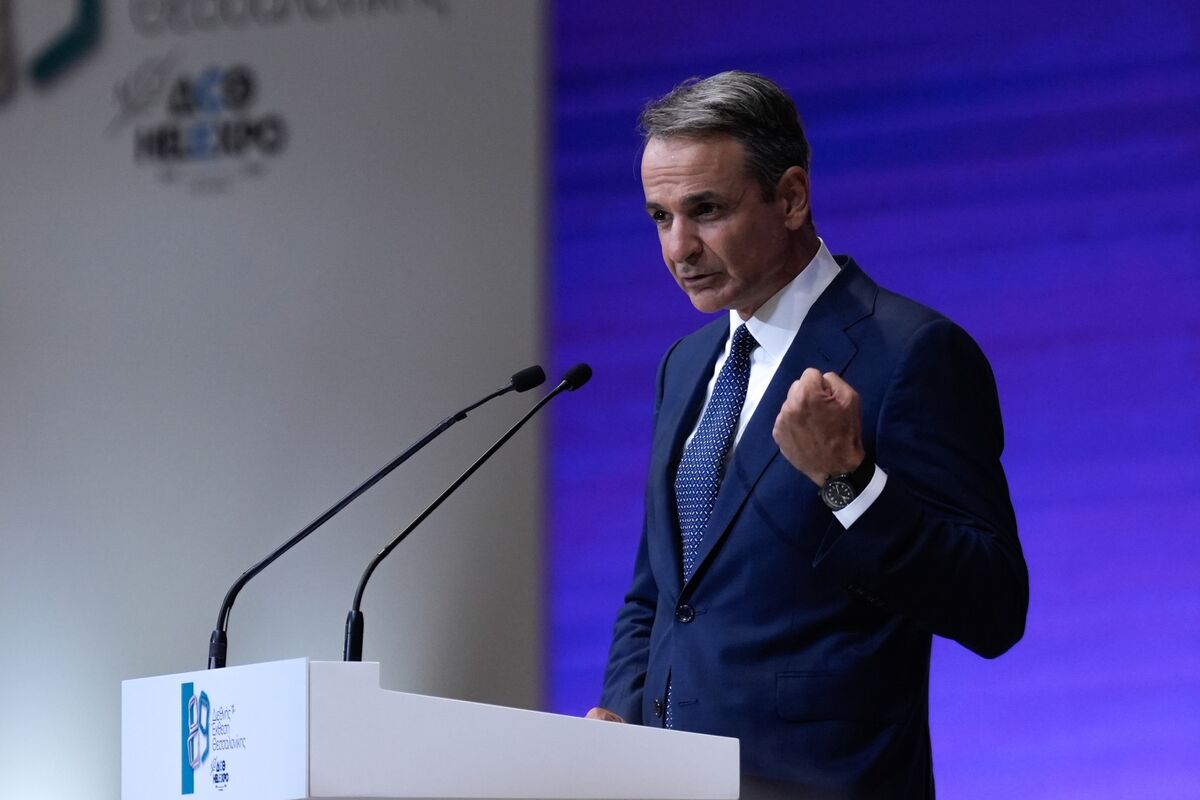
Greek Prime Minister Kyriakos Mitsotakis announced a €1.6 billion ($1.9 billion) reform of the nation's income tax system, primarily targeting the middle class and families with children. Unveiled during his annual policy speech, the initiative includes income tax rate reductions and a full exemption on the first €20,000 of annual income for families with four or more children, aiming to stimulate economic activity and address low birthrates in a segment of the population still recovering from years of crisis.
The Greek government has announced a significant fiscal stimulus package amounting to €1.6 billion ($1.9 billion) in the form of income tax reforms. This policy is strategically targeted at the nation's middle class, a demographic that has faced prolonged economic strain following the sovereign debt crisis. The core of the plan involves direct income tax rate reductions, with a particularly aggressive incentive for families with four or more children, who will be exempt from taxes on their first €20,000 of annual income. The dual objectives are to stimulate domestic consumption by increasing disposable income and to address the country's low birthrates. The market's strongly positive sentiment reflects an optimistic view that this targeted fiscal injection will support economic activity. This move signals a clear government priority to foster a consumer-led recovery and address structural demographic issues through fiscal policy, shifting away from the austerity measures of the past decade.
AI-powered research, real-time alerts, and portfolio analytics for institutional investors.
Request DemoOverall Sentiment
strongly positive
Sentiment Score
0.75
